Beacon Orthopaedics Is Behind One of Baseball’s Most Improbable Comebacks
May 21, 2026

Tim Kremchek, MD
The New York Times just ran a piece on Cincinnati Reds reliever Tejay Antone — “Inside a Reds Reliever’s Improbable Return from 3 Tommy John Surgeries” — and it got a lot of attention. What the headline left out: all three of those surgeries happened right here at Beacon Orthopaedics in Sharonville, performed by Dr. Timothy Kremchek.
754 Days. Three Surgeries. One At-Bat.
On May 6, 2026, Antone walked out of the Wrigley Field bullpen and struck out Alex Bregman. That was it. 754 days after his last big-league appearance, he was back. The people in his corner knew exactly what that moment cost him to get to.
The Surgery
When Antone felt that familiar twinge in April 2024, he already knew what it meant. He came straight back to Beacon, and Dr. Kremchek operated on that right elbow for the third time.
Third-revision UCL reconstruction is rare. The scar tissue from two prior surgeries makes it significantly harder to work through than a first procedure. Dr. Kremchek uses the same incision line each time to limit additional scarring, but that kind of precision only comes from knowing a patient’s anatomy over many years.
When it was done, Dr. Kremchek came out to find Antone’s wife Kelsi. “I’ve got to tell you,” he said, “I’m pretty freakin’ happy with this.”
The Recovery
Two-plus years of rehab across Beacon’s facilities, his personal training complex in Fort Worth, and the Reds’ spring training site in Arizona. Along the way, he mentored injured players, wrote a book, and opened the OR to cameras, wanting to show other pitchers what this road looks like.
He also became a dad to twin sons, Niko and Kai, born last October.
“The only way to have my kids watch and be cognizant of what’s going on is to be older. Which means I have to pitch longer.”
What This Means If You’re Dealing with an Elbow Injury
Tommy John isn’t just a major-league problem. UCL injuries show up in youth baseball, tennis, and any sport with repeated overhead motion. And if you’re looking at a revision procedure, there aren’t many stories that show what’s possible.
Antone’s is one of them. Third procedures can work. If you have questions about UCL injuries or Tommy John surgery at any stage, we’re here.
Beacon Physicians Named Among America’s Leading Doctors by Newsweek
November 18, 2025
We’re proud to announce that nine Beacon physicians have been recognized on Newsweek’s prestigious list of America’s Leading Doctors 2025. Out of more than one million licensed doctors in the United States, fewer than 3,000 earned this honor—and nine of them practice right here in Cincinnati.
This recognition highlights the exceptional skill and dedication of our team, who deliver world-class orthopedic care every day. Whether it’s restoring mobility, reducing pain, or helping patients return to the activities they love, our physicians set the standard for excellence.
Congratulations to our nationally recognized physicians:
- Dr. Michael Swank – Knee & Hip
- Dr. Peter Cha – Knee
- Dr. Emily Dixon – Sports Medicine
- Dr. Andrew Islam – Shoulder
- Dr. Matthew Johansen – Hip
- Dr. Matthew Langenderfer – Knee
- Dr. Adam Miller – Foot & Ankle
- Dr. Robert Rolf – Shoulder
- Dr. James Sammarco – Foot & Ankle
Beacon’s commitment to innovation doesn’t stop there – our leading-edge surgery center also earned a spot on Newsweek’s list of America’s Best Ambulatory Surgery Centers 2025. This recognition reflects our focus on providing safe, efficient, and patient-centered care in a modern outpatient setting.
Beacon Physicians Guide Fellows Through Advanced Training and Innovation at Arthrex
November 18, 2025
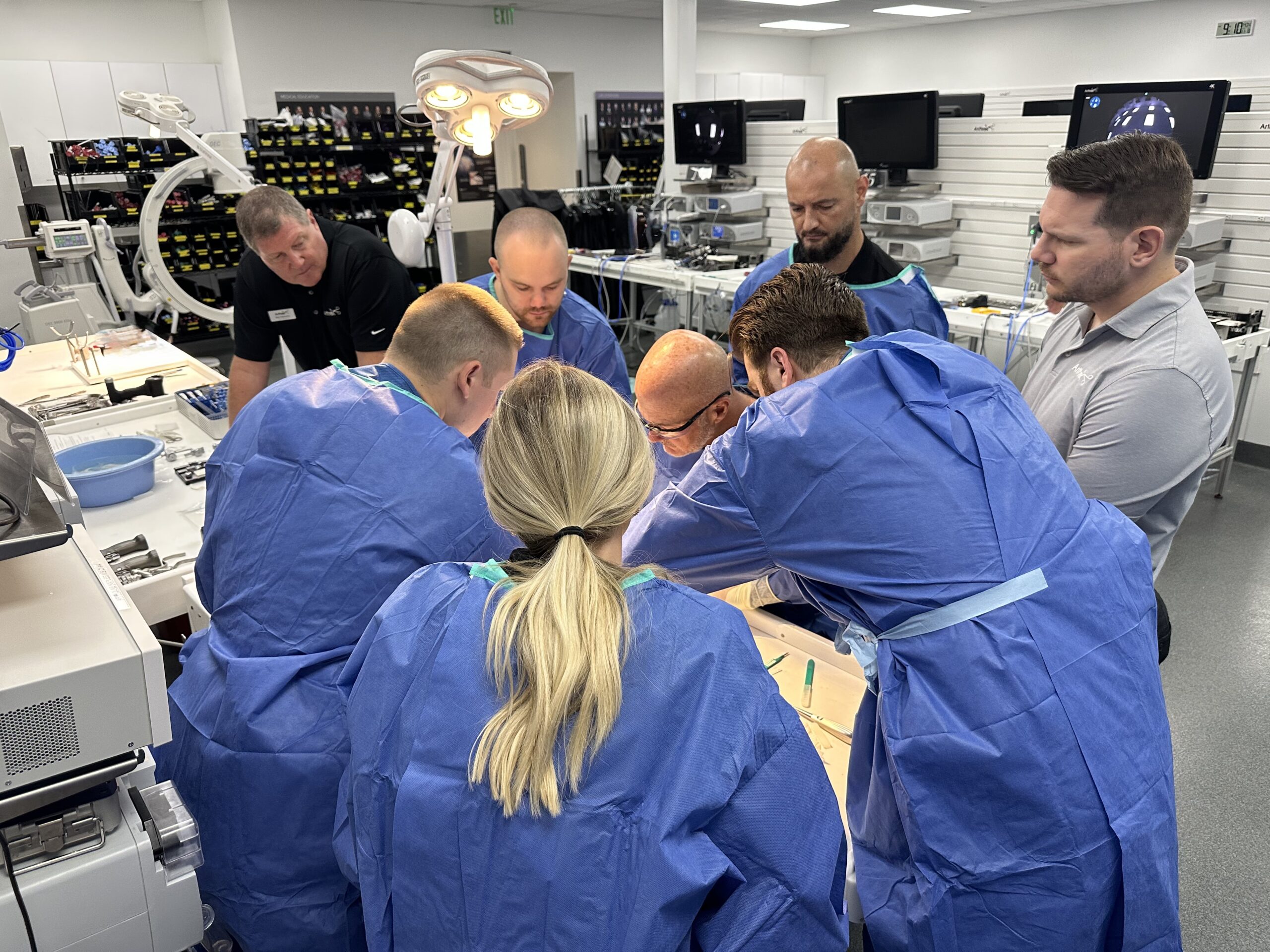 Beacon Orthopaedics & Sports Medicine physicians Dr. Timothy Kremchek and Dr. George Matic recently led a group of Sports Medicine Fellows to Arthrex headquarters in Naples, Florida — an immersive training environment that blends advanced procedure education, surgical innovation, and hands-on experience with the latest tools shaping modern sports medicine.
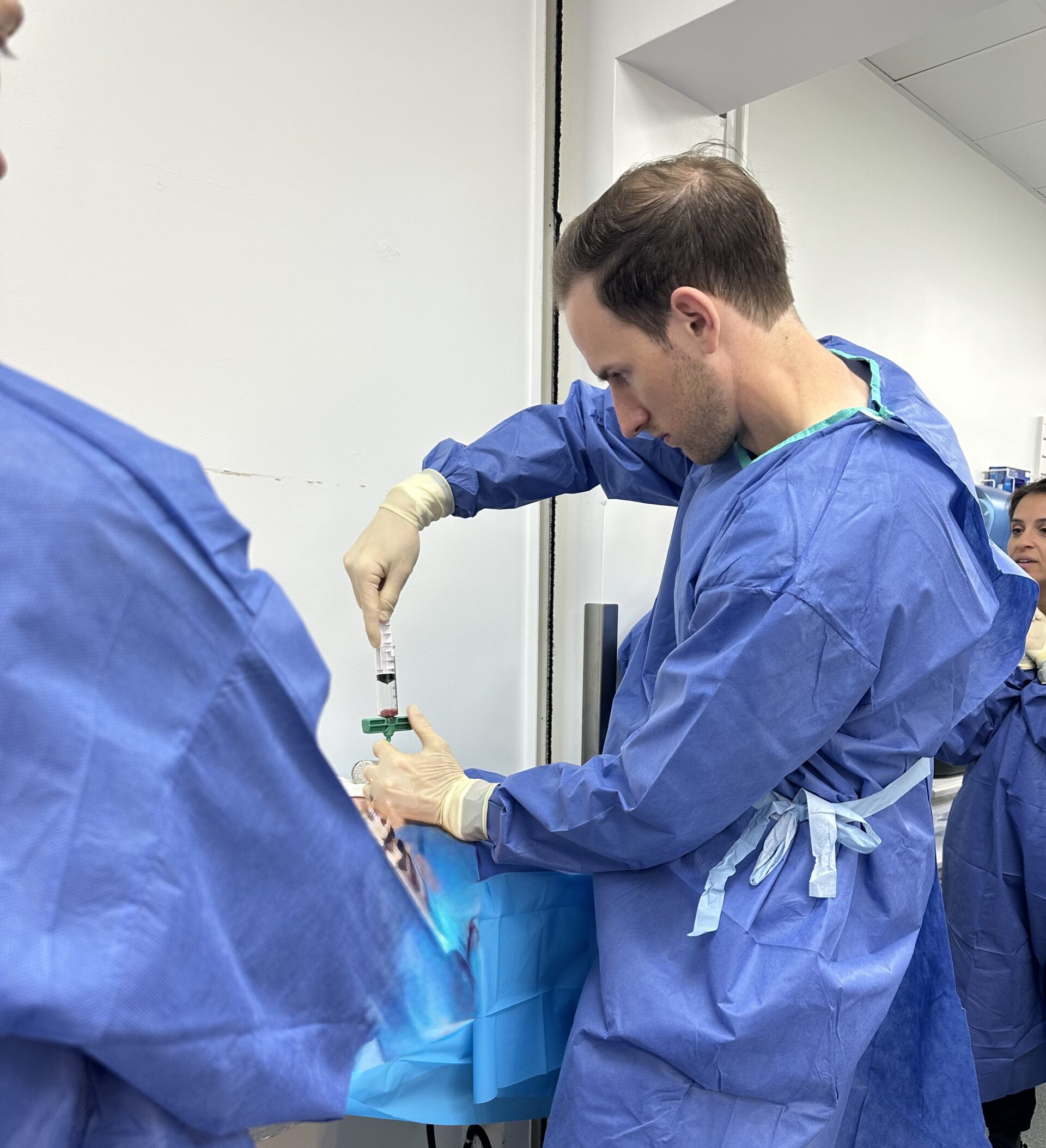
Over several days, fellows rotated through cadaver labs, arthroscopy stations, and biologic procedure setups. For many, the trip offered their first opportunity to practice emerging techniques with dedicated one-on-one instruction and without the time pressure of the clinic or operating room.

George Matic, MD
Dr. Matic, who helps lead Beacon and TriHealth‘s non-operative sports medicine fellowship training, said the experience fills a gap that traditional training can’t always cover. “Biologics are still cutting-edge, and many fellows never get true hands-on experience,” he explained. “Putting instruments in their hands and walking them through bone marrow aspirates or plasma procedures gives them confidence they simply can’t get from lectures.”
The curriculum allowed trainees to explore how biologic therapies are performed, when they should be used, and how these techniques may influence their own future practices. Beyond the practical skills, Dr. Matic emphasized that understanding where devices come from — how they’re engineered, refined, and tested — is equally valuable.
“Arthrex isn’t just selling products; they’re invested in education,” he said. “Seeing how tools are designed and manufactured gives our fellows a direct window into the future of the field.”
Tim Kremchek, MD
While fellows were sharpening their procedural skills, Dr. Kremchek was deeply engaged with Arthrex engineers on a different layer of development, refining new medical instruments he designed to improve elbow surgery, especially UCL reconstruction.
Working with prototypes, he tested adjustments and explored how guides, jigs, and refined instrumentation could reduce variability in one of the most technically demanding procedures in sports medicine.
“Our goal is to make these surgeries more consistent — tools that take the technical difficulty out,” Dr. Kremchek said. “If we can standardize the steps, we make surgery safer and more predictable for athletes.”
 For him, the trip also served as a reminder of the importance of lifelong learning. “You never stop learning. If you stay progressive and keep pushing forward, you remember why you love this work,” he said.
By the end of the trip, the fellows left with stronger skills, deeper understanding, and renewed excitement for the field. The visit reflects Beacon Orthopaedics’ commitment to training, innovation, and elevating the future of sports medicine, one hands-on experience at a time.
What is Turf Toe
September 14, 2025
Several things can cause great toe pain: arthritis, injury to the bone, and soft tissue. A turf toe injury is when the bottom of the great toe is injured, and the soft tissue has damage to it. This is accompanied by pain, and it usually is onset by a hyper extension injury where the toe has forcibly moved upwards. Commonly, football is an injury historically with the type of turf it is played on, but this has become less common. Now, this injury is seen in baseball players running around the bases, some soccer injuries, and trauma in general.
Watch as Dr. Miller breaks down Turf Toe injuries on the Bengals Beat podcast
The hallmark of a turf toe injury is pain on the bottom of the great toe and is caused by an acute injury. It is associated with swelling and there is sometimes bruising into this area and a general reluctance by the patient wanting to walk on it. This can often lead to a feeling as if you’re walking on the outside of the foot. When you can’t walk on your foot, generally an evaluation should be had, and Dr. Miller can see you and provide a good evaluation. When being seen for a turf toe injury, we will examine the foot in general to make sure there is nothing else going on. But the focus and concerns will be surrounding the bottom of the great toe. This is where the soft tissue could be injured or the sesamoid bones, which are accessory bones that work in conjunction with the soft tissue to provide stability and function to the toe. Think of this as the kneecap to your knee. The kneecap functions as a fulcrum to make the knee move better. It is attached to muscles and tendons which allow the knee to move which is similar to the toe with the accessory bones called sesamoids on the bottom of the toe. When this complex is injured, you have difficulty with pain and push off. People will also have instability where the big toe itself moves abnormally. This creates pain, but the increase in motion is not physiologically motion. This abnormal motion over time causes pain and results in wear and tear in the joint.

In most cases these injuries can be treated non surgically. They often take extensive protection and time. Some patients will start out in a boot and if the toe is stable overall where the soft tissue is injured partially or just a sprain of the tissue, this can be successful and appropriate shoe-ware and protection is provided. Often after the boot the patient will be transferred to an extension or carbon fiber plate insert for continued protection in a normal shoe as the patient starts to get back to normal activities. In mild cases, a couple weeks of protection may get the person back to playing sports. In more significant cases, several weeks can be the appropriate recovery period.

Surgical intervention is usually left for the complete tear or instability of the soft tissue where the turf toe is associated with a complete tear which is called a plantar plate. This is where the sesamoid is completely detached from the soft tissue that attaches to the bone of the great toe. Surgery involved repairing the soft tissue or even reconstructing it with the associated tissues around the toe.
Post operatively the patient is often non weight baring, initially walking on the heel after 2-3 weeks of protection. This is followed by walking in a boot and physical therapy to begin mobilizing the lower extremity. Usually, full impact is not recommended for 2-3 months following the injury.

If you believe you may be experiencing a turf toe injury or know someone he may, Dr. Miller is Beacon Orthopedics’ foot and ankle specialist and is available at several locations around the Cincinnati area. Contact us today for more information! Click here to learn more and schedule an appointment with Dr. Miller for foot and ankle injuries.
Dr. Timothy Kremchek Donates to Upgrade Kremchek Stadium at Archbishop Moeller High School
September 12, 2025
Beacon Orthopaedics & Sports Medicine proudly recognizes Dr. Timothy Kremchek, one of the nation’s leading orthopedic surgeons and longtime Cincinnati Reds team physician, for his recent donation to Archbishop Moeller High School.
Kremchek Stadium, originally dedicated in the family’s honor in 2022, will now undergo significant upgrades thanks to Dr. Kremchek’s most recent gift. The improvements will enhance the facility at the Bucher Athletic Complex, ensuring it remains a premier venue for Moeller baseball.
 Continuing a Family Legacy
 Continuing a Family Legacy
Dr. Kremchek’s support continues a remarkable family tradition of service to Moeller athletics. His late father, Dr. Edward Kremchek, cared for generations of student-athletes as the school’s longtime team physician. Today, Dr. Timothy Kremchek carries on that legacy as Moeller’s team physician, providing hands-on care to student-athletes and supporting their performance and well-being on the field.
His involvement reflects a deep, ongoing commitment to the school and its athletic programs. Dr. Timothy Kremchek carries that commitment further by providing resources that will benefit future Crusaders. “Dr. Kremchek’s generosity continues a remarkable family legacy at Moeller,” said Jason Niehaus, president of Moeller High School. “His father played such an instrumental role in caring for our student-athletes and building the foundation of Moeller athletics. Now Tim has taken that commitment to an entirely new level. His vision and generosity will impact generations of Moeller student-athletes, and we are profoundly grateful.”
Stadium Upgrades
 The new donation will fund:
- Seating for more than 300 spectators
- Enhanced press and broadcasting capabilities
- Upgraded locker rooms and training facilities
- A design that reflects Moeller’s tradition of excellence
Construction is scheduled to begin in June 2026, with completion before the 2027 baseball season.
Although not a Moeller alumnus, Dr. Kremchek has seen the impact of the school’s community firsthand. “My hope is that this gift shows others – alumni, parents, friends, or simply people who care about developing student-athletes – that we all can play a role in making something better,” Dr. Kremchek said. “You don’t have to wear the Moeller crest to be part of its story.”
Gold Medals Don’t Retire: How Beacon Helps Champions Keep Winning
September 4, 2025
 At 77 years old, most people are thinking about slowing down. For Frank Barosky, slowing down isn’t an option. The retired Air Force fighter pilot, environmental professional, and lifelong weightlifter still thrives on competition, and thanks to the physicians at Beacon Orthopaedics & Sports Medicine, he’s not done yet.
Frank’s love for weightlifting began in 1963, when he was a teenage paperboy who happened upon a neighbor training in his backyard. “It was kind of like love at first grip,” Frank recalls. From that day forward, he pursued weight training with passion, competing at the national level in both Olympic-style weightlifting and powerlifting.
But years of training eventually took its toll. Shoulder problems forced Frank to step away from Olympic style lifting in his youth, only to return in his fifties after modern medicine and renewed determination gave him a second chance. It was then that his long relationship with Beacon physicians began.
Dr. Peter Cha repaired his shoulders, correcting a genetic defect that had plagued Frank since his teenage years. “I was amazed,” Frank said. “My shoulders were better than when I was a teenager.”
Later, Dr. Nicole Goddard, one of Beacon’s Primary Care Sports Medicine specialists, helped him manage the aches, pains, and smaller injuries that come with years of heavy lifting. “She was very helpful in keeping me going before anything major came up,” Frank said.
When a torn bicep threatened his training, Frank turned to Beacon once again. Orthopedic surgeon Dr. Drew Burleson performed the repair, getting him back on track with the same mix of precision and encouragement that Frank had come to expect from Beacon physicians. Thanks to that surgery, Frank was able to return to the gym and continue pursuing the lifts he loved.
 The Comeback Built on Titanium
Then came the biggest challenge: his hips. By 2023, the pain was so severe that Frank could barely squat. He thought his last competition had come and gone, until he met Dr. Haleem Chaudhary, one of Beacon’s fellowship-trained joint replacement surgeons.
Dr. Chaudhary performed Frank’s right hip replacement in February 2024, and Frank was stunned by the outcome. “I woke up from the surgery, got up, and walked unassisted. No pain. It felt like a miracle.” Later that year, his left hip was replaced with equal success.
Within months, Frank was back to training and competing. At the Ohio Championships in August 2025, he not only returned to the platform but broke all the state records in his division (75–79 years, 88 kg bodyweight). He admits that often he is the only lifter in his weight and age class, which means the gold medal is practically guaranteed. But Frank doesn’t take the easy wins lightly. He still trains, still competes, and still pushes himself to lift more than he did the year before.
 Today, Frank continues to train with his eyes on upcoming competitions, including the Arnold Sports Festival in 2026. “At my age, most people just try to slow the decline,” he said. “But I’m optimistic that I can still improve.”
Looking back, Frank says he owes his ability to keep chasing his passion to the Beacon physicians who supported him through each stage of his journey. “Everybody I’ve dealt with at Beacon has just been outstanding. The competence, the professionalism, it’s all top shelf. They’ve given me a new lease on life.”
For Frank, Beacon Orthopaedics wasn’t just about surgery or recovery. It was about staying connected to the sport he loves and proving that age doesn’t have to mean giving up on dreams.

Update: Frank completed in the American Masters Weightlifting Competition in Louisville, KY in December 2025 and received the gold medal in his age/weight division. Frank will be training for the 2026 Masters World Weightlifting Competition, and plans to compete at the Arnold Sports Festival in Columbus, OH in March 2026. Congratulations, Frank!
Beacon Orthopaedics & Sports Medicine Earns Advanced AAAHC Orthopaedic Certification Across All Three Surgery Centers
August 25, 2025
Beacon Orthopaedics & Sports Medicine is proud to share that all three of our surgery centers—Summit, West, and Evendale—are accredited by the Accreditation Association for Ambulatory Health Care (AAAHC) with Advanced Orthopaedic Certification for Total Joints. This achievement ensures that every patient undergoing a joint replacement at Beacon receives the same nationally recognized level of care.

Why This Matters for Our Patients
For patients, this certification is more than a milestone. It is a reflection of Beacon’s commitment to delivering the safest, highest-quality surgical care for joint replacements. To earn this recognition, our teams demonstrated:
- Use of evidence-based guidelines designed to improve outcomes
- Performance monitoring that strengthens patient safety and recovery
- A complete continuum of care that supports patients before, during, and after surgery
This means patients can be confident that every Beacon location follows rigorous standards designed to improve recovery, mobility, and long-term health.
Setting the Standard in Outpatient Joint Care
The advanced certification across all three centers reflects Beacon’s ongoing commitment to excellence in outpatient joint care. Patients can be assured that every location provides the same expert, patient-centered care designed to support a safe and successful recovery.
Our Commitment to You
At Beacon Orthopaedics, our mission has always been to help patients get back to doing what they love. This certification demonstrates that we not only meet but exceed national expectations for safety, quality, and outcomes. Every step of the process, from pre-surgery assessment to recovery, is built around supporting patients and delivering the best possible experience.
To learn more about AAAHC Advanced Orthopaedic Certification and what it means for patients, click here.
Dr. Robert Pettit Returns to St. Xavier High School
August 19, 2025

St. Xavier High School is proud to welcome Dr. Robert Pettit back to campus—this time, not as a student-athlete, but as the newest team physician supporting the school’s athletic department through Beacon Orthopaedics & Sports Medicine and TriHealth.
A graduate of St. Xavier, Dr. Pettit’s journey into orthopaedics was shaped by his own experiences on the field. He recalls being treated by Dr. Robert Heidt and Dr. Kevin Reilly during his playing days, and his interaction with orthopaedic surgons sparked a lifelong interest in sports medicine. “It’s a lifelong dream to be sitting in this seat in this locker room,” Pettit said. “From my time at Saint Xavier, I had some run-ins with orthopedic surgeons that truly inspired me to pursue the path I’ve been on.”
The Long Blue Line
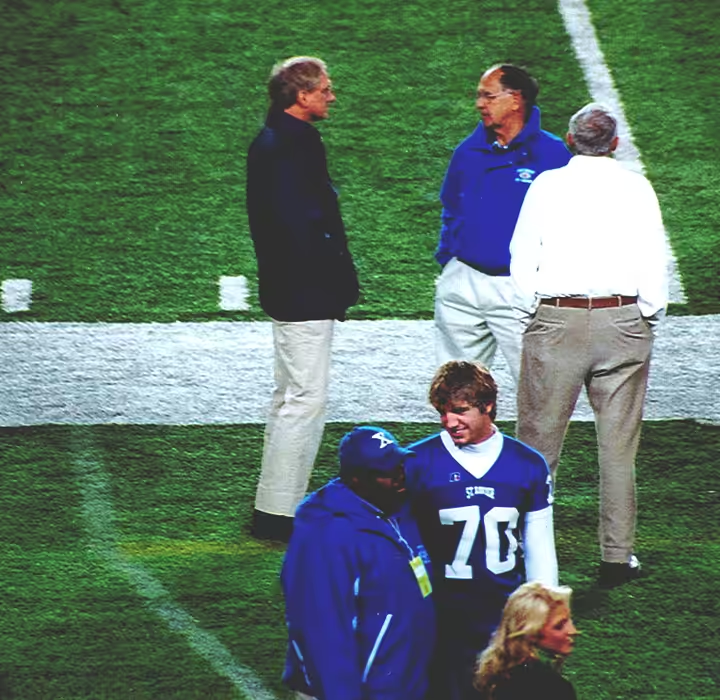
Background: Dr. Heidt visits on the sidelines. Foreground: Young Rob Pettit #70.
Now, he joins a legacy of alumni physicians who have returned to serve the school, including Dr. Robert Heidt (Class of ’69) and Dr. Kevin Reilly (Class of ’82). Together, they represent what Head Football Coach Steve Specht calls “the long blue line”—a tradition of graduates giving back to the institution that shaped them.
“The fact that these guys come back, they want to give back to the institution—I love that,” said Specht. “Knowing that we’re putting our kids first and giving them the best possible care in the city of Cincinnati—you know, that’s special.”
Dr. Reilly sees Pettit’s return as more than just a professional move—it’s a chance to inspire future generations. “We’re segments on that long blue line,” Reilly said. “It’s potentially inspiring another teenager that may say ‘I’m not going to be playing sports forever, but I got to do something else.’”
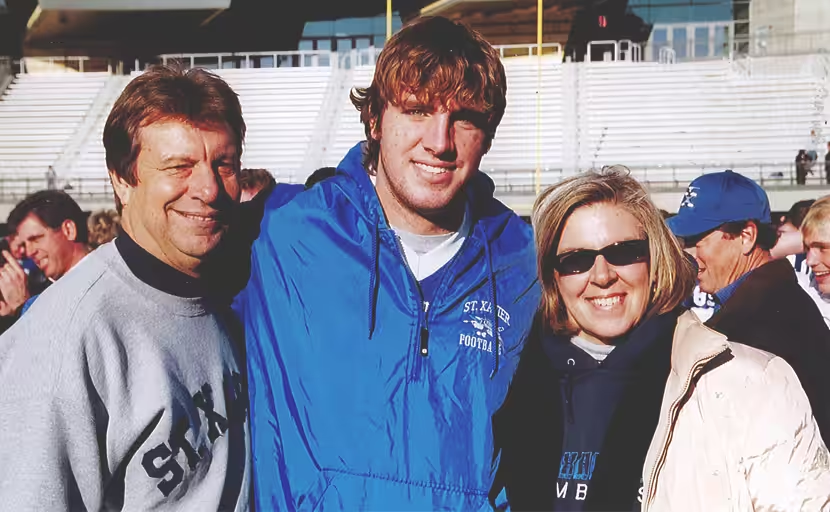
The Pettit Family during Rob’s career at St. X
Dr. Pettit will work alongside Dr. Reilly with the Beacon Orthopaedics & Sports Medicine and TriHealth teams to provide comprehensive care for St. Xavier athletes, continuing a tradition of excellence and mentorship. “There’s an energy of excellence [at St. X] which you really strive to be your absolute best,” Pettit added.
With this appointment, St. Xavier strengthens its commitment to student-athlete health and well-being, supported by professionals who understand the school’s values, because they lived them.
Rob and Alison reside in Cincinnati, Ohio with their four children.
About Beacon Orthopaedics & Sports Medicine
Established in 1996, Beacon Orthopaedics & Sports Medicine has helped thousands of patients overcome injuries and improve their quality of life. Beacon Orthopaedics provides medical direction and coverage for over 35 local high schools, five college athletics programs, and professional teams including the Cincinnati Reds. With over 20 locations across Southwest Ohio, Northern Kentucky, and Southeastern Indiana, Beacon offers instant access to comprehensive orthopaedic care, including sports medicine, physical therapy, athletic training, imaging services, regenerative medicine, as well as surgical procedures involving neck, spine, shoulder, elbow, hand, hip, knee, foot and ankle repair, reconstruction, and replacement.
About TriHealth
TriHealth is hospitals, physicians and the community working together to help people live better. We provide clinical, educational, preventive and social programs through Bethesda North, Bethesda Butler, Good Samaritan and McCullough-Hyde hospitals and more than 140 other locations throughout Greater Cincinnati. This includes an ambulatory network, physician practices, research division, employer-based health services, hospice care, and fitness and health facilities. Learn more at trihealth.com, Facebook.com/TriHealth, @TriHealth on Twitter, and at YouTube.com/TriHealth.
Dr. Timothy Kremchek Inducted into Ohio Sports Hall of Fame Class of 2025
July 23, 2025
Beacon Orthopaedics & Sports Medicine is proud to announce that Dr. Timothy Kremchek, renowned orthopedic surgeon and longtime sports medicine leader, has been inducted into the Ohio Sports Hall of Fame Class of 2025.
During his career, Dr. Kremchek has provided expert orthopaedic care to athletes across Ohio and beyond. He served as Team Medical Director for the Cincinnati Reds for 25 years and now continues to support the organization as an orthopaedic consultant, offering trusted care to players at the highest level of the game.
His impact extends well beyond professional sports. At the collegiate level, Dr. Kremchek provides expert care to student-athletes at Wittenberg University, Wilmington College, and Miami University, where he is a trusted surgical partner and advocate for athlete health and safety.
“His passion for Wittenberg is unmatched,” said Brian Agler, Wittenberg Athletic Director. “We don’t have a chance to have success without Tim.”
At the high school level, Dr. Kremchek serves as Medical Director for 9 local schools, including Clinton-Massie, Indian Hill, Kings, Lakota West, Madeira, Moeller, Mt. Notre Dame, Wilmington, and Wyoming. His commitment includes sideline care, surgical treatment, and post-injury recovery planning.
ACCOLADES FOR DR. KREMCHEK
“It doesn’t matter if he’s the Reds’ left fielder of a Firebird football player, his professionalism is next to none”
Tom Bolden, Head Coach at Lakota West.
“Beyond his professional expertise, he has been a pillar of our community – generously sharing his time, energy, and heart with generations of Braves,”
Brian Phelps, Indian Hill Athletic Director.
“He is a pioneer in orthopedic and sideline medicine and is a phenomenal resource for athletes throughout the country”
Paul Eversole, Head Football Athletic Trainer at Miami University
“He’s inspired a culture of care and excellence in sports medicine at our school, perfectly reflecting our core values and family spirit.”
Moeller High School President, Jason Niehaus
“Dr. Kremchek is completely committed to all aspects of our medical needs.”
Carl Kremer, Moeller Varsity Basketball Head Coach.
Dr. Kremchek’s Hall of Fame induction is a tribute to a career defined by clinical excellence, leadership, and lifelong dedication to the athletes of Ohio.
Beacon Earns National Recognition as a Stryker Center of Ankle Excellence
July 11, 2025
 Beacon Orthopaedics & Sports Medicine is proud to announce its designation as a Stryker Center of Ankle Excellence—a prestigious honor awarded to just 13 orthopaedic practices across the United States.
What does this mean for our patients? It means that Beacon is now officially recognized as one of the top destinations in the country for total ankle replacement surgery—and the only Stryker Center of Ankle Excellence in Southwest Ohio, Indiana, and Kentucky.
This distinction reflects the exceptional experience and dedication of our foot and ankle team, which includes Dr. Adam Miller, Dr. Robert Raines, and Dr. V. James Sammarco. Together, they bring more than 70 years of combined clinical experience and have performed hundreds of total ankle replacements—helping patients get back to the activities they love with less pain and better mobility.
To earn this recognition, Beacon had to meet rigorous criteria, including:
- Employing at least three fellowship-trained foot and ankle surgeons
- Performing 60+ total ankle replacements per year
- Offering both primary and revision ankle replacements
“We are proud and honored to be recognized by Stryker Corporation as one of only 13 centers of excellence nationwide for total ankle replacement,” says Dr. Raines. “This designation reflects our long-standing commitment to clinical excellence and innovation in ankle care.”
Each of our physicians sees patients at multiple Beacon locations:
- Dr. Adam Miller: Erlanger, Hyde Park (Cincinnati Sports Club), Summit Woods (Sharonville), and Western Hills (Beacon West)
- Dr. Robert Raines: Anderson – Beechmont (Beacon East), Fort Thomas, and Western Hills (Beacon West)
- Dr. V. James Sammarco: Erlanger, Fairfield, and Montgomery
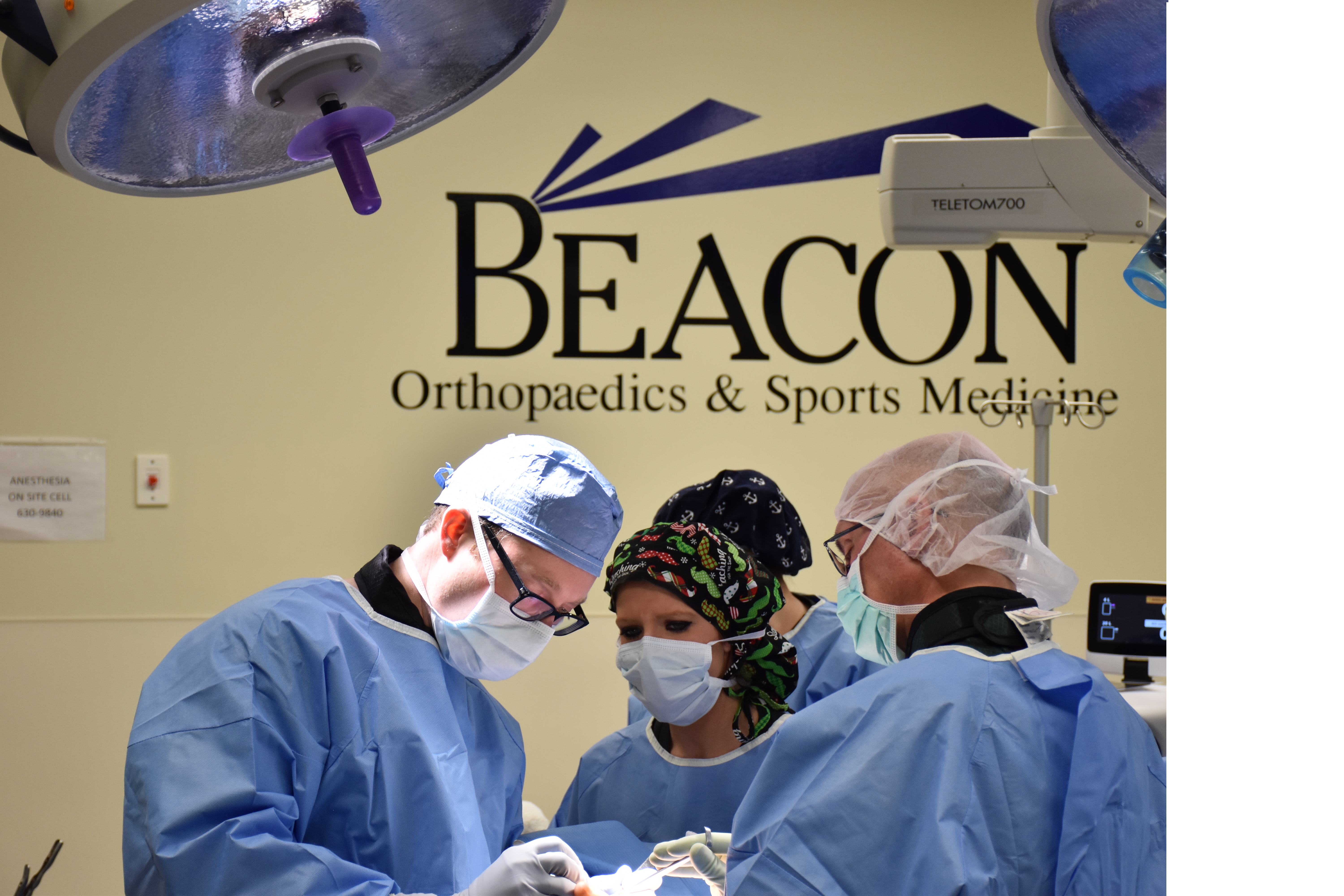
The only other designated Stryker Center of Ankle Excellence in Ohio is located in Columbus—also part of the OrthoAlliance network—further highlighting our role as a regional leader in advanced ankle care.
Whether you’re managing chronic ankle pain or exploring surgical options, you don’t have to travel far for world-class expertise. Beacon’s foot and ankle experts are here to help you get back on your feet—literally.
Common Hip Flexor Injuries and Treatments
June 13, 2025
Updated: June 25, 2025 | By Dr. Steve Hamilton, Board-Certified Orthopedic Specialist
Hip flexor injuries can make everyday movements like walking or lifting your leg painful. Whether you’re an athlete or simply active, understanding these injuries and their treatments can help you recover faster. This guide explains where hip flexor pain is felt, common injuries like strains and tendonitis, and effective at-home treatments. For personalized care, schedule a consultation with Beacon Orthopaedics.
What Are Hip Flexors and Where Is Pain Felt?
Hip flexor muscles (e.g., iliopsoas, rectus femoris) connect your hip joint to your thigh, enabling you to lift your knee or bend at the waist. When injured, pain is typically felt in:
-
Front of the hip or groin (e.g., during walking or climbing stairs)
-
Upper thigh or pelvis
-
Lower back (common with iliopsoas syndrome)
Pain when lifting your leg or climbing stairs? This could indicate a hip flexor strain or tendonitis. Keep reading to learn causes and treatments.
Visual Placeholder: [Diagram of hip flexor anatomy, showing iliopsoas and rectus femoris muscles]
Common Hip Flexor Injuries
1. Hip Flexor Strains
A hip flexor strain happens when these muscles are stretched or torn, often from overuse or sudden movements. Strains are graded by severity:
-
Grade I: Mild stretching with minor pain; hip functions normally.
-
Grade II: Moderate tears causing pain; hip may give out during walking.
-
Grade III: Complete tear; hip cannot bear weight, often requiring medical attention.
Symptoms:
-
Pain in the front of the hip or groin
-
Pain or weakness when lifting the knee or climbing stairs
-
Swelling, bruising, or a limp
-
Muscle spasms or visible deformity (severe cases)
Causes:
-
Overuse (e.g., running, cycling, swimming)
-
Direct trauma (e.g., a fall or impact)
-
Osteoarthritis or poor posture
Tip: Grade I and II strains often heal with rest and stretches. For Grade III or if you can’t bear weight, contact a hip specialist.
2. Hip Flexor Tendonitis
Tendonitis is inflammation of the tendons connecting hip flexor muscles to bones, often caused by repetitive stress.
Symptoms:
-
Gradual pain in the hip, back, or leg
-
Stiffness or swelling
-
Redness or warmth around the tendon
Causes:
-
Overuse (e.g., HIIT workouts, kicking, squatting)
-
Bad posture or walking habits
-
Arthritis (rheumatoid, osteoarthritis, or gout)
Tip: Rest and gentle stretching can help. Persistent pain? Book an evaluation.
3. Iliopsoas Syndrome (Psoas Syndrome)
Iliopsoas syndrome affects the iliopsoas muscles (psoas and iliacus), key hip flexors that support posture and movement. Injury or inflammation here can also affect the nearby iliopsoas bursa.
Symptoms:
-
Pain in the lower back, groin, or thigh
-
Pain when lifting legs or standing from sitting
-
Radiating leg pain or difficulty climbing stairs
Causes:
-
Sudden contraction (e.g., sprinting)
-
Overuse (e.g., running, plyometrics)
-
Rheumatoid arthritis
Tip: Athletes are at higher risk. Early treatment can prevent worsening symptoms.
At-Home Treatments for Hip Flexor Pain
For mild to moderate injuries (Grade I-II strains or tendonitis), try these conservative treatments:
1. RICE Method
-
Rest: Avoid activities that stress the hip. Use crutches if needed.
-
Ice: Apply a cold pack (wrapped in a towel) for 15-20 minutes, 3-4 times daily.
-
Compression: Use an elastic bandage to reduce swelling (not too tight).
-
Elevation: Prop your hip above heart level when lying down.
2. Stretching and Strengthening
Stretching improves flexibility, while strengthening prevents future injuries. Try these exercises (consult a doctor first if pain persists):
-
Seated Butterfly Stretch:
-
Sit with feet together, knees bent outward, back straight.
-
Lean forward until you feel tension; hold for 30 seconds.
-
-
Lunge Stretch:
-
Step forward, lower hips until knees are at 90 degrees.
-
Squeeze rear glute; hold for 20-30 seconds per side.
-
-
Forearm Plank:
-
Rest on forearms, keep body straight, hold for 15-30 seconds.
-
Video Placeholder: Watch our 2-minute video on hip flexor stretches
3. Work with a Physical Therapist
Weak hip flexors increase injury risk. A physical therapist at Beacon Orthopaedics can design a sport-specific program for runners, golfers, or swimmers to strengthen your hips and improve performance. Learn about our physical therapy services.
Download: Free Hip Flexor Pain Relief Guide (PDF)
When to See a Hip Specialist
Seek professional care if you experience:
-
Inability to bear weight on the hip
-
Severe swelling or pain that doesn’t improve
-
Decreased range of motion
-
Direct trauma (e.g., a fall or impact)
Patient Testimonial: “Dr. Hamilton diagnosed my hip flexor strain and got me back to running in weeks!” – Sarah, Cincinnati
Schedule an appointment with Dr. Steve Hamilton, board-certified hip specialist, at Beacon East, West, Summit Woods, or Northern Kentucky.
Frequently Asked Questions (FAQs)
Where is hip flexor pain felt?
Hip flexor pain is typically felt in the front of the hip, groin, or upper thigh. It may radiate to the lower back or leg, especially with iliopsoas syndrome.
What causes pain in the front of the hip when lifting the leg?
This is often due to a hip flexor strain or tendonitis, caused by overuse, sudden movements, or weak muscles. Rest and stretching can help mild cases.
Why does my hip hurt when walking up stairs?
Pain during stair climbing may indicate a hip flexor strain or iliopsoas syndrome, triggered by repetitive stress or poor posture.
How long does a hip flexor strain take to heal?
Grade I strains heal in 1-3 weeks with rest; Grade II may take 4-8 weeks. Grade III strains require medical evaluation.
Contact Beacon Orthopaedics
Contact Dr. Hamilton for an Evaluation
While a sharp pain in the hip, groin, pelvis, or thigh is an obvious sign of a hip flexor injury, pain in the lower back and leg are easy to misdiagnose. After all, it’s natural to assume that radiating pain in the leg or lower back originate from these areas. Unfortunately, diagnosing the source of a patient’s pain is not always straightforward. In fact, it’s possible for patients to go years with a misdiagnosed injury.
Only a professional orthopaedist can accurately diagnose hip pain and recommend the appropriate treatment. Dr. Steve Hamilton is a board-certified hip specialist at Beacon Orthopaedics and Sports Medicine who can conduct a comprehensive evaluation of your condition and provide an accurate diagnosis.
Knowing the exact source of your hip pain can provide you with peace of mind—but receiving the right treatment is even better. Let Dr. Hamilton provide you with both peace of mind and relief from your symptoms. Schedule an appointment with Dr. Hamilton today. For your convenience, he is available at Beacon East, Beacon West, or Summit Woods in Ohio as well as Beacon’s Northern Kentucky location.
Patients can schedule an appointment with any of our 60+ expert physicians at our 20+ locations across the Greater Cincinnati area online or by calling 513-354-3700 to speak with a live representative who’s available 24/7/365.
Beacon Orthopaedics Is Now an Official Sponsor of the Cincinnati Reds!
May 30, 2025
We are thrilled to share some exciting news: Beacon Orthopaedics & Sports Medicine is now an official partner of the Cincinnati Reds!
While our physicians have proudly served as team physicians for decades, this marks the first time we have entered into a formal sponsorship agreement with the Reds organization. It is a major milestone in our long-standing relationship—and one we are incredibly honored to announce.
“When I was in training, my dream was to take care of the Cincinnati Reds. That dream became a reality in 1996—and nearly three decades later, it is still one of the greatest honors of my career,” said Dr. Timothy Kremchek.
“This new sponsorship reflects the values we have held since day one: expedient, high-quality care for every patient. The same care we have provided the Reds for 29 years is the same care our community receives every day at Beacon. To now be officially aligned with one of the greatest, most visible sports franchises in the region—it is truly a dream come true.”
What This Partnership Means
You will soon see new Beacon signage inside Great American Ball Park, but this partnership goes far beyond branding. It symbolizes the deep trust the Reds place in our orthopedic team to provide top-tier care at the highest level of competition.
Dr. Andrew Razzano said, “Caring for the Cincinnati Reds over the past eight years has been an incredible experience. Treating professional athletes represents the highest level of orthopaedic sports medicine—and I truly believe that Beacon physicians deliver that level of care better than anyone.”
The same physicians who help keep professional athletes at their peak are the ones supporting you and your family—with the same dedication, precision, and excellence.
Whether you are on the field, in the stands, or anywhere in between, Beacon is here to help you keep moving forward.
Meet the 2025–2026 Reds Team Physicians:
“Clubhouse Physicians of the Cincinnati Reds”
We are proud to have these outstanding orthopedic experts caring for Cincinnati’s hometown team—and the broader community.
About Beacon Orthopaedics & Sports Medicine
Established in 1996, Beacon Orthopaedics & Sports Medicine has helped thousands of patients recover from injuries and enhance their quality of life. Beacon Orthopaedics provides medical direction and coverage for over 35 local high schools, five college athletics programs, and professional teams, including the Cincinnati Reds. With over 20 locations across Southwest Ohio, Northern Kentucky, and Southeastern Indiana, Beacon offers instant access to comprehensive orthopaedic care, including sports medicine, physical therapy, athletic training, imaging services, regenerative medicine, as well as surgical procedures involving neck, spine, shoulder, elbow, hand, hip, knee, foot and ankle repair, reconstruction, and replacement.
Sliding Into Safety: Preventing Baseball Injuries Before They Happen
April 22, 2025
By Dr. Robert Pettit, Orthopaedic Sports Medicine Surgeon, Cincinnati Reds Team Physician
Baseball may be known as America’s pastime, but even this non-contact sport comes with its fair share of injuries. Whether you’re a youth athlete just learning to pitch or a weekend warrior playing in a recreation league, the repetitive motions and sudden bursts of activity in baseball can lead to overuse and acute injuries—especially to the shoulder, elbow, and lower body.
At Beacon Orthopaedics & Sports Medicine, we believe that the best way to keep athletes on the field is to focus on injury prevention. Here’s how players, coaches, and parents can stay one step ahead of common baseball injuries.
- Warm Up with Purpose
A proper warm-up primes the body for performance and reduces the risk of injury. Start with light aerobic activity to raise your heart rate, followed by dynamic stretches that mimic baseball movements—such as arm circles, leg swings, and trunk rotations. Always include a sport-specific component like light throwing or dry swings before game-time intensity.
- Prioritize Arm Care
Shoulder and elbow injuries—like rotator cuff strains and UCL (ulnar collateral ligament) tears—are all too common, especially in pitchers. Preventative strategies include:
-
- Limiting pitch counts based on age and level
- Taking adequate rest days between outings
- Incorporating rotator cuff and scapular strengthening exercises into your training
- Using proper throwing mechanics, which can be reinforced through coaching and video analysis
If you feel pain when throwing, don’t push through it—get evaluated early to prevent long-term damage.
- Strengthen the Core and Lower Body
A strong base reduces the load on your upper body during explosive movements. Incorporate exercises that target:
-
- Hip mobility and glute strength** (e.g., lunges, monster walks)
- Core stability (e.g., planks, medicine ball throws)
- Balance and agility (e.g., ladder drills, single-leg hops)
Not only does this enhance performance, but it also decreases the risk of strains and sprains during batting, sliding, or sudden direction changes.
- Emphasize Flexibility and Recovery
Tight muscles and fatigue are precursors to injury. Stretch regularly—especially after practice—and don’t skip cooldowns. Sleep, hydration, and nutrition also play critical roles in your body’s ability to recover and perform.
- Take a Break
Overuse injuries don’t happen overnight. The best prevention? Time off. Encourage multi-sport participation, and take at least 2-3 months away from throwing each year to allow the arm to fully recover.
- Wear the Right Gear
Ensure cleats fit properly to avoid foot and ankle injuries. Batting helmets, face guards, and protective cups are essential, especially for younger athletes. Catchers should regularly check their gear for proper fit and integrity.
When to See a Specialist
If pain lingers, performance drops, or you notice changes in throwing mechanics, it may be time to see an orthopedic sports medicine specialist. Early diagnosis and treatment can mean the difference between a few days off and a season-ending injury.
Dr. Robert Pettit is a fellowship-trained orthopedic sports medicine surgeon at Beacon Orthopaedics & Sports Medicine (https://www.beaconortho.com/physician/robert-pettit-md/), specializing in the care of athletes of all levels. From injury prevention to advanced surgical care, Dr. Pettit is committed to helping baseball players stay healthy, strong, and in the game.
Have questions or need an evaluation?
Schedule an appointment at our Fort Thomas location:
775 Alexandria Pike, Fort Thomas, KY 41075
Call: (513) 370-5085
Beacon Orthopaedics & Sports Medicine Expands Imaging Capabilities with New MRI at Summit Woods Location
March 19, 2025
 Beacon Orthopaedics & Sports Medicine is installing a new state-of-the-art MRI at its Summit Woods location. This project will improve diagnostic capabilities and reduce patient wait times across the Cincinnati region. The project is expected to be completed in Spring 2025.
“Installing a new MRI is a significant investment,” said Heather Skidmore, Director of Imaging at Beacon Orthopaedics & Sports Medicine. “We recognized the growing demand for advanced imaging and prioritized this upgrade to maintain the highest standards of patient care and accessibility.” This machine is the exact replica of the most recent MRI installations at our Beacon East and West Chester locations.
The construction process, which began with the removal of the previous MRI unit, will take approximately 14-16 weeks. Once installed, the system will undergo rigorous testing before becoming fully operational. To minimize disruptions during construction, Beacon has extended its Summit Woods imaging hours.
Enhancing Access and Patient Experience
This upgrade was designed with patient accessibility and comfort in mind. One of the most notable opportunities with newer MRI units is the ability to download software that will allow physicians to assess injuries and conditions more efficiently. “This upgrade allows us to optimize department workflow and the diagnostic process for our patients,” said Skidmore.
This project aligns with Beacon’s core value of access. By incorporating more efficient imaging technology, more patients can be seen in a shorter timeframe, reducing wait times and improving accessibility to orthopedic imaging across the region.
Beyond technical enhancements, the patient experience has also been a focus of the upgrade. The new MRI features a less restrictive design than the previous unit, reducing feelings of claustrophobia—one of the most common concerns for patients undergoing an MRI.
Sustainable, High-Tech Imaging
This new machine incorporates advanced technology to use less helium, significantly reducing reliance on this finite resource.
“This investment is not only about cutting-edge technology but also long-term sustainability,” Skidmore noted. “By reducing our helium consumption and improving imaging efficiency, we are enhancing both patient care and environmental responsibility.”
Looking Ahead
As the practice continues to grow, Beacon remains dedicated to expanding patient care through technology and accessibility. Beacon is committed in providing advanced imaging solutions that streamline the patient experience and improve health outcomes.
Dr. Shaw Brings Advanced Orthopedic Care to Belize Through Medical Mission Trips
February 19, 2025

Dr. Kevin Shaw, an orthopedic surgeon with Beacon Orthopaedics & Sports Medicine, has recently completed his fifth medical mission trip to Belize, where he continues to expand orthopedic access through his work with Partners for Medical Relief (PFMR). Dr. Shaw has served on PFMR’s board for four years, helping guide the nonprofit’s mission to fill medical gaps and build healthcare capacity.
Since 2020, Dr. Shaw has traveled to the Corozal region, where he initially provided primary care in local villages, with a significant portion of his work involving steroid injections for arthritic joint pain. Now, Dr. Shaw’s role has evolved significantly as he has developed a comprehensive orthopedic program focusing on surgical procedures to address the region’s need for total joint replacements.
This year, Dr. Shaw took a significant step forward in expanding the program by delivering a donation of Stryker power equipment— a drill and saw for orthopedic surgeries— through Project CURE, a nonprofit that supplies medical equipment to global charities. Dr. Shaw personally completed the application and coordinated the delivery of this essential equipment to Belize.
During his latest trip, Dr. Shaw worked alongside a local orthopedic surgeon and provided hands-on surgical training to advance the region’s need for orthopedic procedures. His long-term goal is to help this local physician build a sustainable orthopedic practice capable of performing total joint replacements independently. He remains committed to providing additional resources and training to ensure the region has access to these life-changing surgeries.
“The beauty of this program is that it’s not just about what I can do in the short term; it’s about creating lasting, sustainable impact,” Dr. Shaw explained. “By training local doctors and giving them the resources they need, we’re building their capability to serve their communities for years to come.”
“The next step is to bring knee implants and continue training the local surgeon so he can confidently perform these procedures on his own,” Dr. Shaw added. “I’m excited to be part of building something that will continue to help the people of Belize for years to come.”

Brief summary: Dr. Shaw, an orthopedic surgeon and dedicated volunteer, is furthering his mission work in Belize’s Corazal region, where he has made a significant impact over the last five years. As a board member of Partners For Medical Relief (PFMR) for the past four years, Dr. Shaw has been instrumental in developing the organization’s orthopedic program, which serves patients in underserved communities.
What to Expect During Your MRI: A Patient’s Complete Guide
February 5, 2025
Brittany sat in her orthopedist’s office, her knee still sore from her weekend tennis accident. When her doctor mentioned she’d need an MRI, her mind filled with questions and, if she was honest, a touch of anxiety. “Will it hurt? Can I wear my wedding ring? What’s that loud banging noise I’ve heard about?”
She’s not alone – these are questions we hear every day at Beacon Orthopedics, and they’re all perfectly normal concerns. The truth is, while an MRI might seem intimidating, it’s one of the most valuable and straightforward diagnostic tools we have in modern medicine.
Last year alone, we helped thousands of patients like Brittany get the answers they needed through MRI scans, and we’re here to guide you through every step of the process too. Watch this video to get a better idea of what to expect.
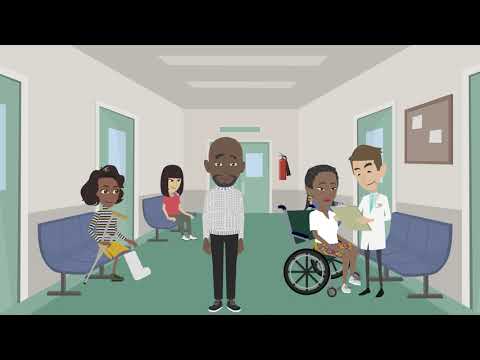
Click here to view video transcript
The Journey Begins: Scheduling Your MRI
Once your provider determines you need an MRI, our efficient scheduling process kicks into action. Our team will reach out within 24-48 hours to find a convenient time for your scan. Behind the scenes, we’re already working with your insurance company to ensure smooth pre-certification, so you can focus on preparing for your scan rather than paperwork.
Safety First: Our Top Priority
Your safety is our priority at Beacon Orthopedics. Before your scan, you’ll complete a screening questionnaire. This step helps us identify any potential concerns, such as metal implants or medical devices. While some patients worry about having metal in their body, don’t stress – many modern implants are MRI-compatible. We’ll work with you to obtain any necessary documentation and ensure a safe scanning experience.
Preparing for Scan Day: What to Wear and Bring
Make your MRI day stress-free by following these simple guidelines:
- Choose comfortable, cotton-based clothing
- Avoid athletic wear with moisture-wicking properties or copper-infused materials
- Leave jewelry at home, including wedding rings and permanent jewelry
- Arrive 15 minutes early to complete final preparations
The Scan Experience: Comfort Meets Technology
Many patients ask what the scan itself feels like. You’ll lie on a comfortable table that slides into our state-of-the-art MRI machine. The scan typically takes 20-30 minutes, during which you’ll need to remain still. We understand this might sound challenging, especially if you’re claustrophobic. That’s why we’ve developed various comfort techniques and can provide tips to help you through the process.
Making It Comfortable: The Sound Experience
One aspect that surprises many patients is the distinctive sounds an MRI machine makes. While these sounds can exceed 90 decibels, we’ve got you covered! We provide high-quality headphones that not only protect your hearing but also let you enjoy your favorite music during the scan. Think of it as a 30-minute private concert where you’re helping us capture important images of your body.
After Your Scan: Next Steps
Before you leave, we’ll schedule your follow-up appointment so you can review your results with your provider. This ensures you have a clear path forward in your treatment journey.
Your Partner in Care
At Beacon Orthopedics, we understand that medical imaging can cause anxiety. That’s why we’ve designed our MRI process to be as transparent and comfortable as possible. Our experienced team is here to support you every step of the way, from scheduling to completing your scan.
Still have questions about your upcoming MRI? Feel free to learn more about the process with these additional resources:
We also encourage you to reach out to your provider. We’re here to ensure you have the best possible experience during your visit to Beacon Orthopedics.
Remember, this imaging study is an important step in your healthcare journey, helping your provider develop the most effective treatment plan for your specific needs. We’re honored to be part of your path to better health.
Your comfort and care are our priorities at Beacon Orthopedics. Schedule your MRI with us today, and experience the difference that patient-centered care makes.
Video Transcript
“Your provider has ordered an MRI. What’s next? An order will be entered into your chart and sent to the MRI department. This is how the MRI department knows what to schedule.
If the provider you are seeing is at a location that has a scanner, please stop by the MRI department before leaving your appointment. Otherwise, our team will reach out to you within 24 to 48 hours to schedule your MRI.
Patient safety is a top priority here at OrthoAlliance. When a provider orders an MRI, there are steps that need to be taken to ensure you are okay to be scanned at one of our facilities. One step in patient safety is to complete the MRI patient history and safety screening. This is commonly referred to as the ‘safety sheet.’
The safety sheet is a questionnaire asking you which body part is being scanned, your symptoms, as well as past medical history. It also asks about any implants or metal you have in your body. Please answer each question honestly and to the best of your ability.
If you have any implants or metal in your body, we will need to obtain documentation before scheduling. Some implants are not MRI-safe, while others simply require special scanning instructions. Once that information has been received, the MRI tech will review it prior to scheduling. We want to take care of this before you arrive for your MRI to avoid any unnecessary delays.
The safety sheet is usually completed prior to the MRI being scheduled. However, if one of our talented MRI front desk staff schedules the MRI over the phone, the questions will be asked over the phone. When you arrive for the scan, you will complete the safety sheet, sign and date it.
Once the MRI is scheduled, the pre-certification team will be notified. This team will notify your insurance company that your provider has ordered an MRI. If necessary, they will provide any medical documentation to ensure the MRI is approved by insurance. If there are any issues with the approval, someone from the office will reach out to you.
What happens the day of your scan?
You will be asked to arrive 15 minutes prior to your scan time. Please wear all-cotton clothing – no dry-fit, dry-wick, or copper-lined material. Make sure you have no metal of any kind on you as well. You may be given a gown and/or paper shorts to change into. All jewelry will need to be removed, including wedding rings and permanent jewelry. This is for your safety.
As a final check, the MRI tech will ask a series of safety questions again. While some of this can seem redundant, this is to make sure you are safe to have the MRI in our facility.
In the MRI room:
You will see a large MRI machine. This room has a very strong magnetic field. You will be positioned on a table. Once situated, the table will slowly move you into the MRI machine. You will be in the machine for 20 to 30 minutes. You will need to stay in the exact same position for the duration of the scan. If this could be a challenge for you or if you are claustrophobic, reach out to your provider. We do have tips and tricks to help you through the scan.
Once you are in the scanner, you will hear a series of very loud sounds. These noises are completely normal and will exceed 90 decibels. It will sound like this [sound effect]. We will provide headphones for you to use while in the scanner. It is mandatory that you wear them. You can even choose to listen to music through these headphones.
What happens once the scan is over?
In most cases, we will schedule a follow-up MRI appointment before you leave. This will be for you to see your provider to get your results. If you have any questions, reach out to your provider.”
Dr. Tim Kremchek Ranked #3 in Will Carroll Under The Knife Top Baseball Sports Surgeons List
January 15, 2025

Dr. Kremchek in the Reds dugout at Great American Ballpark
Beacon Orthopaedics & Sports Medicine is excited to announce that Dr. Tim Kremchek has been named the #3 baseball sports surgeon on Will Carroll’s Under the Knife Top Ten list for 2025. Known as a leading voice in baseball medical circles, Carroll revisits this list for the first time in over a decade, spotlighting the exceptional talent and innovation in sports medicine.
Dr. Kremchek’s ranking is due to his unparalleled expertise and dedication to advancing the field of sports medicine. As a trusted medical professional to countless athletes and teams, including his long-standing role as Medical Director for the Cincinnati Reds, Dr. Kremchek has consistently set the standard for quality care and surgical outcomes.

Quote from UTK
This recognition is not just a personal achievement for Dr. Kremchek but also a significant win for the Cincinnati community. Many MLB players seek out Dr. Kremchek for their medical needs, choosing Cincinnati as their destination for expert sports medicine care. For local patients, this means having access to the same world-class care right in their own backyard.
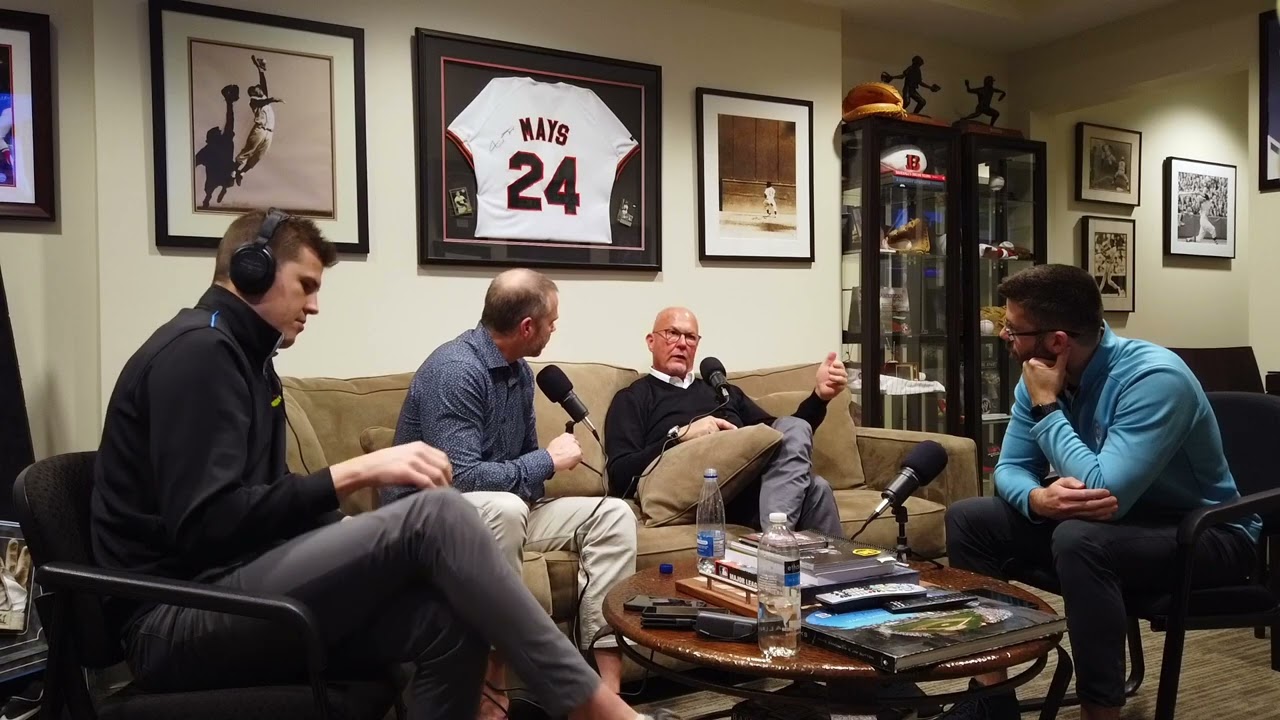
Carroll notes the shifting dynamics in the field, with legendary figures like Dr. James Andrews stepping back and making room for a new generation of sports surgeons. Dr. Kremchek’s continued prominence highlights his impact not only on individual athletes but on the broader sports community.
At Beacon Orthopaedics, we’re proud to have Dr. Kremchek as a cornerstone of our team. His ranking reflects a career dedicated to getting athletes back in the game and pushing the boundaries of what’s possible in sports medicine.
Congratulations, Dr. Kremchek, on this well-deserved recognition, and thank you for bringing top-tier sports medicine to Cincinnati!
Dr. Kremchek Discusses His Career on “That’s So Cincinnati” Podcast
January 10, 2025
Dr. Kremchek in the Reds dugout at Great American Ballpark
Dr. Timothy Kremchek, a long-time sports medicine physician at Beacon Orthopaedics & Sports Medicine, recently joined the That’s So Cincinnati podcast to discuss his work with the Cincinnati Reds and his perspective on sports medicine. With nearly 30 years of experience as the team’s doctor, Dr. Kremchek shared his reflections on stepping back from the day-to-day responsibilities of the role while maintaining a consulting position with the team.
The episode, released on December 13, 2024, gives listeners insight into the balance between his career in sports medicine and his work with professional athletes. Host discussions explored Dr. Kremchek’s long-standing relationship with the Reds, the evolution of his role, and what it’s like to transition from an active team physician to a consulting role.
Nearly Three Decades with the Cincinnati Reds
Dr. Kremchek began his tenure with the Reds in 1996 and remained the team physician for nearly three decades. In the podcast, he discussed the challenges of maintaining such a long commitment, including attending games regularly while running his private practice at Beacon Orthopaedics & Sports Medicine. Although his current role as a consultant allows for more flexibility, Dr. Kremchek acknowledged that fully stepping away from the team is difficult due to his years of involvement and passion for baseball.
During the conversation, the hosts touched on Dr. Kremchek’s nickname, “Dr. Hollywood,” (ascribed to him by long-time Red’s on Radio broadcaster Marty Brennaman) and what it symbolizes about his high-profile career in sports medicine. While the nickname might spark curiosity, the discussion also delved into the more demanding aspects of his work.
Looking Ahead to Spring
As Cincinnati fans begin to think about the upcoming baseball season, the podcast offered a timely opportunity for Dr. Kremchek to share his thoughts on what’s next for the Reds. He expressed optimism for the season and reflected on baseball’s enduring role in the Tri-state community.
Listen to the Podcast
The full conversation with Dr. Kremchek is available on the That’s So Cincinnati podcast. You can listen to the episode titled “That’s So Cincinnati with Reds team doctor, Dr. Timothy Kremchek,” on Apple Podcasts at this link.
The episode will be ” inside baseball ” for Reds fans, who are baseball enthusiasts and curious about the intersection of medicine and professional sports.
Is My Hip Pain From Arthritis or Bursitis?
December 9, 2024
Your Hips Are Your Body’s SECRET Superhero… Or CATASTROPHIC Vulnerability? IMAGINE a complex machine holding up EVERYTHING in your body
However, the complexity of this system brings with it several drawbacks. First, the more moving parts a system has, the more likely a problem may arise. Second, when a problem does arise, it affects the entire system. In the hips, this means finding out what exactly went wrong can be difficult.👉 Want to understand the ticking time bomb INSIDE your body?
KEEP. READING. 👇
Two of the most common issues with the hip are bursitis and arthritis. They are completely different conditions with their own unique causes, yet they exhibit extremely similar symptoms, making it difficult to differentiate which is which.
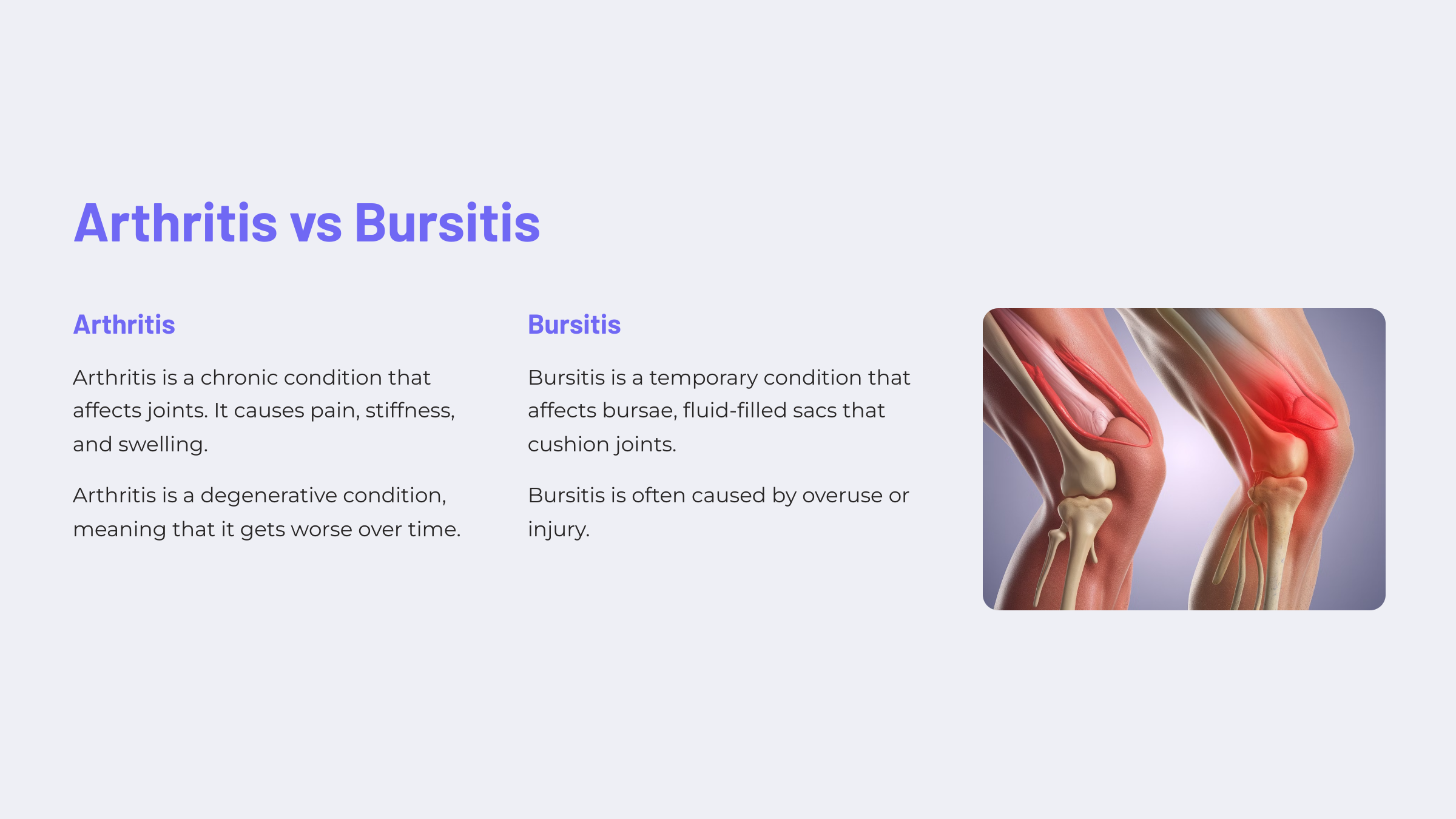
This article provides information about each condition, including their causes, symptoms, and treatment options. Note that this article is not a substitute for an evaluation from a medical professional. If you are experiencing any of the symptoms in this article, schedule an appointment with Dr. Steve Hamilton, a hip joint expert at Beacon Orthopaedics and Sports Medicine.
What is Arthritis?
Arthritis refers to pain, inflammation, and stiffness of the joints. The two types of arthritis that commonly affect the hip are osteoarthritis, which is the result of cartilage between joints being worn down over time, and rheumatoid arthritis, which is an autoimmune disorder that causes the body’s immune system to attack its own joints. This article will only focus on osteoarthritis.
Osteoarthritis is typically caused by the natural wear and tear that joints endure over a lifetime of use. Post-traumatic arthritis, which is a specific type of osteoarthritis, may also be caused by a sudden injury, such as a fall.
Symptoms of Hip Arthritis
Hip arthritis may cause any of the following symptoms:
- Hip pain that’s worst in the morning.
- Hip pain that worsens after long periods of inactivity.
- A feeling of locking, sticking, grating, or grinding when moving the upper leg.
- Stiffness and inflexibility in the hip joint. May cause limping.
- Pain that starts from within the hip socket and radiates outward. It can be felt in the buttocks, groin, and thigh.
Osteoarthritis is the culmination of many years of joint deterioration. Age, obesity, and frequent strenuous activity all contribute to cartilage breakdown and can lead to the disease.
What is Bursitis?
Bursitis is a condition where bursae, which are fluid-filled sacs that act as extra lubrication for joints, become inflamed and painful. There are 4 bursae on each side of the hip, but only 2 of those are commonly affected by bursitis: the trochanteric (located on the outside point of the hip) and iliopsoas bursae (located near the inside of the groin).
Symptoms:
Hip bursitis may cause any of the following symptoms:
- Pain that’s felt either on the outside of the hip or near the groin.
- Pain that starts sharp and intense but fades into a widespread ache later.
- Pain and stiffness after too much or too little activity.
- Pain that’s worst at night when laying on the injured hip.
- Pain that increases with walking, climbing stairs, and squatting.
Bursitis is most common in middle-aged and elderly people, particularly women. Bursitis also frequently affects athletes who run, as overuse of the hip irritates bursae.
Though bursitis typically results from overuse, a sudden injury (such as a fall) can also bring on the condition. Bursitis and arthritis can both develop after a sudden injury, which adds to the challenge of differentiating between the two conditions.
If you’re experiencing any of the aforementioned symptoms, schedule an appointment with Dr. Hamilton. He can properly diagnose your condition your hip pain and prescribe the appropriate treatment.
Do I Have Arthritis or Bursitis?
The key difference between arthritis and bursitis is the anatomical structures that they affect. Arthritis is a chronic condition that irreparably damages bone, cartilage, and joints, whereas bursitis is a temporary condition that involves the painful swelling of bursae for a time.
| Arthritis | Bursitis |
| Pain is worst in the morning. | Pain is worst at night. |
| Symptoms gradually worsen over months and years. | Symptoms only last for a few weeks. |
| Primarily results from wear and tear that occurs over a long period of time. | Primarily results from sudden periods of overuse or a traumatic event, such as a fall. |
| Joint damage is irreversible. | Bursae inflammation is temporary. |
| Symptoms require the attention of a medical professional. | Symptoms typically improve with conservative, at-home treatments. |
Talk to a Hip Specialist
Whether it’s bursitis, arthritis, or another condition entirely, hip pain can negatively impact your quality of life. If you want to get back to being mobile and pain-free, schedule an appointment with Dr. Steve Hamilton at Beacon Orthopaedics and Sports Medicine. Dr. Hamilton is a fellowship-trained surgeon who specializes in minimally invasive joint reconstruction. He has helped hundreds of patients return to the activities they enjoy.
Is it a Broken Ankle or a Sprain?
December 8, 2024
You fall and injure your ankle. Next you gauge your pain and ask: “Is it a broken ankle or a sprain?” This scenario accounts for one of the most common complaints; yet a simple twist and fall could become a complex injury involving bone, cartilage, ligaments and tendons. In this blog I will discuss ankle fractures and what the next steps are on the road to recovery.
Key Takeaways
- Ankle injuries can range from sprains to fractures.
- A proper diagnosis is crucial for effective treatment.
- Treatment options include non-surgical methods like immobilization or surgical intervention.
- Recovery time varies depending on the severity of the injury and the chosen treatment.
Ankle Anatomy and Injury
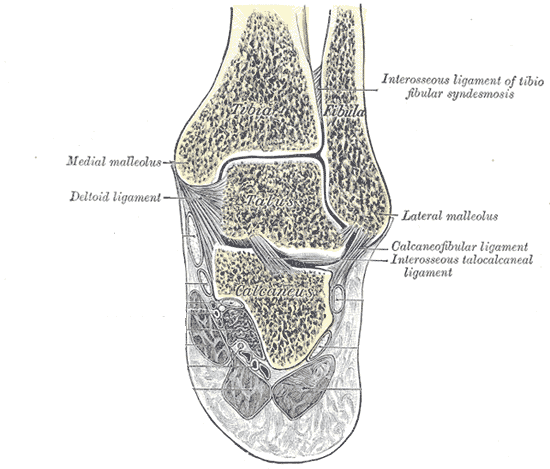
The ankle joint, composed of the tibia, fibula, and talus, is a complex structure. Ligaments, including the deltoid, lateral ligament complex, and syndesmosis, stabilize the joint. Injuries to these structures can result in pain, swelling, and limited mobility.
Diagnosing an Ankle Injury
A healthcare professional will assess the severity of the injury by considering factors like pain, swelling, and the ability to bear weight. Imaging tests, such as X-rays, may be necessary to confirm a fracture.
Pain free motion of the ankle relies heavily on this complex congruent relationship between the talus and the tibia and fibula. If the ankle joint is even displaced 1mm, a 42% increase in pressure to ankle may occur1. A change in the bony anatomy of the ankle involved with an ankle fracture may introduce enough change in alignment that the ankle is now at risk for future arthritis.
Is the Ankle Sprained or Broken?
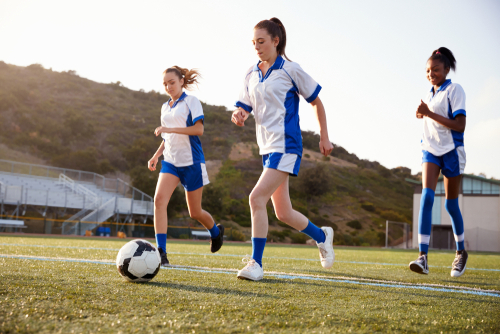 A thorough evaluation by an Orthopedic Specialist in Foot and Ankle such as Dr. Miller will identify the nature of the injury. Immediately following the injury, factors like pain, swelling, and the ability to bear weight will allow us to assess the severity of the injury. Imaging tests, such as X-rays, may be necessary to confirm a fracture.
Swelling is another sign of injury. If the swelling comes on gradually and is mild, the injury is likely a sprain or less severe. More immediate and significant swelling indicates a bony injury and possible fracture. When severe fractures occur, blistering of the skin is not uncommon. The blisters emanate from excessive swelling in the soft tissues following a severe fracture. Sometimes the ankle is dislocated with this amount of swelling. Immediate medical attention is required in these circumstances to reduce the ankle. Once severe swelling or blistering sets in, this can take weeks until the initial swelling resolves. In many cases these changes can delay surgery on the ankle.
As time passes ecchymosis (bruising) may occur. This can be extensive; however, this does not necessarily mean the ankle is broken. More severe ankle sprains present with significant ecchymosis over the region of injury. Besides not being able to put pressure down on the ankle or a deformity in the ankle after injury, a good reason to be evaluated for a broken ankle/ankle fracture is continued symptoms that worsen or stay the same. Some ankle fractures are stable enough that you may still be able to walk. Some people have a high pain tolerance that allows them to cope with the injury. These scenarios are best evaluated by an orthopedic surgeon when not improving.
Orthopedic Evaluation
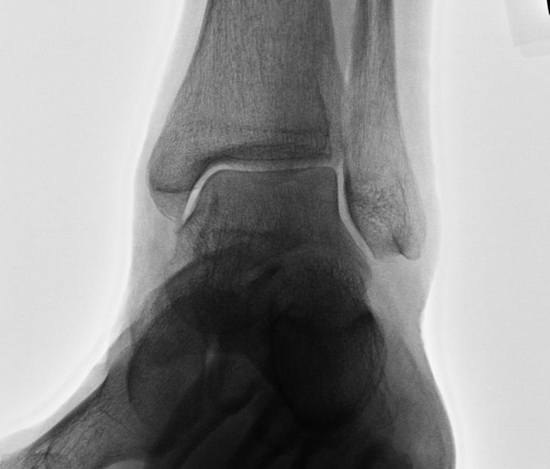 Once you have made the decision to be evaluated for ankle pain, Dr. Miller will assess you and your injury as a whole. This includes a detailed history and physical examination with special focus on the ankle. Your age, mobility level and medical history are important, particularly as it relates to the ability heal an injury or recover from a potential surgery. Preexisting medical conditions such as diabetes, vascular problems, and inflammatory disease (e.g. rheumatoid) must be accounted for during the planning of treatment. Any remote history related to the ankle or previous injury should be known.
Physical examination will be performed during your visit. It is important to assess the ankle based on its appearance including deformity, any open wounds around the ankle, the amount of swelling present, and any preexisting rashes or skin issues. Vascular exam is used to determine the appropriate blood flow to the lower extremity, and this is performed by checking the dorsalis pedis and posterior tibialis pulses surrounding the foot and ankle. A neurological exam of the lower extremity will be used to assess any nerve injuries and the ability to move the foot. The extremity will then be evaluated for areas of tenderness and pain. This will help to locate the injury in a broken ankle more specifically and rule out other concurrent pathology.
Findings from the physical exam will then be used to evaluate radiographs of the affected ankle and surrounding areas. X-rays consist of three views of the ankle and any other areas of concern. While minimizing radiation is a good general rule, lower extremity x-rays use very low levels of radiation and in comparison account for a small fraction of the radiation you naturally receive yearly by living on Earth2. Based on these images, Dr. Miller can evaluate for the presence of a fracture and the severity of the fracture.
Treatment
Once you have been identified to have a broken ankle/ankle fracture, how will the ankle be treated? Assuming you have an ankle fracture, the most important decision is whether the fracture can be treated non-surgically or the broken ankle requires surgical intervention. This decision would be made by Dr. Miller taking into account all variables described above.
In many cases the decision to perform surgery depends on the stability of the ankle. If 2 or more different fractures are identified in the ankle, surgery is commonly warranted due to the concern for instability and movement of the pieces. If the pieces heal non-anatomically, the ankle may be predisposed to accelerated wear and arthritis. If only one fracture is identified, the decision to perform surgery relies on the location and character of the fracture. Further radiographs that stress the ankle may be warranted to make this determination.
If the broken ankle has been considered stable enough to not require surgery, early weight bearing in a protective boot may be an option. This type of protection can be required for 6 weeks. You would wear the boot during all weight bearing activities. Usually at 6 weeks there is adequate healing to start weaning out of the boot.
If the broken ankle/ankle fracture is severe or unstable, surgical intervention utilizing metal implants is likely required. The day of surgery a patient typically will receive a nerve block prior to surgery that helps with anesthesia and pain control after the procedure. This process anesthetizes the leg to achieve temporary numbness. Once this is complete the actual surgery usually lasts between 1 and 2 hours. The surgery consists of reducing the broken pieces of the ankle to where they were prior to the injury and maintaining that reduction with metal hardware. Generally one or two incisions are used. A soft cast or splint would be applied for temporary protection until you return the office. After surgery it is imperative to elevate your leg to your heart level consistently until seen in the office. This improves pain relief and wound healing.
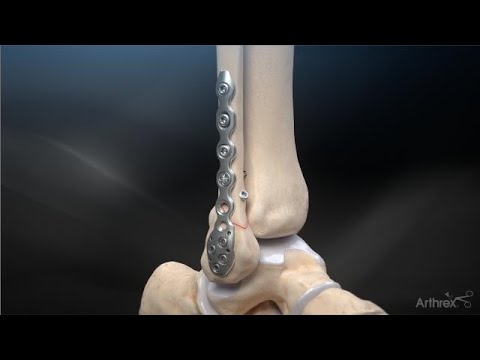
When you return to the office, the ankle is usually ready to be placed in a boot for protection. For the next 5-6 weeks no weight is to be put on the leg in most cases. One can start showering 2 weeks after the surgery on average. Around 6 weeks after the surgery, you can progressively apply weight to the leg while in the boot until you are completely weight bearing in the boot without an assist device. Range of motion and therapy begins 4-6 weeks after surgery. You can drive 9 weeks after surgery if your right leg was injured. Eleven to 12 weeks after surgery the boot is replaced with a shoe and possibly an ankle brace. Return to full impact and running would be achieved in the following months.
Appointments can be made with Dr. Adam G. Miller by calling (513)-354-3700 or booking online here.
1 Ramsey PL, Hamilton W. Changes in tibiotalar area of contact caused by lateral talar shift. J Bone Joint Surg Am. 1976 Apr;58(3):356-7. Epub 1976/04/01.
2 Coughlin MJ, Saltzman CL, Mann RA. Mann’s Surgery of the Foot and Ankle: Expert Consult-Online and Print: Elsevier Health Sciences; 2014.
How to Restore Hip Flexibility and Strength
December 8, 2024

Did you know the average American is DESTROYING their body without realizing it?
13 HOURS A DAY OF SITTING is turning your body into a ticking time bomb of health problems.
Most people think tight hip flexors are just an athlete’s problem. WRONG.
This hidden health crisis is CRUSHING everyone – from desk workers to weekend warriors.
🔥 The SHOCKING Consequences of Tight Hip Flexors:
- Your Posture is SCREAMING for Help
- That “Dad Bod” Might Actually Be Muscle Dysfunction
- Your Injury Risk is SKYROCKETING
- Anxiety Levels Are Silently Climbing
🏋️ Athletes Beware: Tight hips don’t just limit performance – they DESTROY it. When muscles can’t work correctly, your body starts a dangerous compensation game that leads to:
- Catastrophic Injury Risks
- Performance Meltdowns
- Potential Career-Ending Scenarios
💡 The GOOD NEWS? This isn’t a life sentence.
Strategic stretching and targeted strength training can RESET your body’s natural mechanics.
Want to know how to UNLOCK your body’s true potential and shut down this silent destroyer?
👇 KEEP READING 👇
Anatomy of the Hip

3D Rendering of male pelvis, hip, leg bones and ligaments labeled on a white background. Posterior view.
To understand how all the stretches and exercises in this article come together, it’s important to first understand how the hip works.
The hip has 3 main movements:
- Flexion and Extension – Moving the leg backward and forward.
- Abduction and Adduction – Moving the leg out to the side and in towards the other leg.
- Rotation – Moving the foot left and right and moving the straightened leg towards the toes.
The hip has 5 basic components:
- Bones – The main bones of the hip are:
- Ilium – the large wing-like bone on either side of the hip.
- Ischium – the lower and back part of the hip bone. The ischium has three parts that come together to form the rounded bottom of the hip.
- Pubis – the area where the other bones of the pelvis connect.
- Articular Cartilage – Smooth, white tissue that cover bones where they come together to form joints. It acts as lubrication.
- Muscles – The hip has 20 muscles altogether, but this article will just focus on the 4 most relevant to hip flexibility:
- Iliopsoas –The psoas major muscle and the iliacus muscle are so similar in location and function that they are often grouped into one.
- They flex the trunk of the hip while other muscles keep the legs steady (such as when sitting up from a lying down position).
- They also laterally rotate the thigh at the hip, which turns your foot and knee outward.
- Rectus femoris – Part of the larger group of leg muscles called the quadriceps femoris, which are located on the front and sides of the thigh. Its primary function is extending the knee, which has to pull on the hip bone to do. It is the only muscle that can flex the hip.
- Sartorius – A long, bandlike muscle found on the anterior (inside) side of the thigh. It is so long that it can act on both the hip and knee joint.
- At the hip, it flexes, abducts, and laterally rotates the thigh with help from some other hip flexors.
- At the knee, it helps to flex the leg.
- Ligaments and Tendons – Bands of tissue that connect bone to bone and muscle to bone.
- Synovial Membrane and Fluid – A membrane that covers and lubricates the hip joint.
- Iliopsoas –The psoas major muscle and the iliacus muscle are so similar in location and function that they are often grouped into one.
Static Stretches to Improve Overall Hip Mobility and Flexibility
Hip Flexor Stretch
- Kneel down on your left knee and put your right foot in front of you. Your right hip and knee should roughly make a 90º angle.
- If this hurts your knee, feel free to put a pillow under it.
- Put your left hand on your left hip and gradually push your hip forward. Your left hip should end up in front of your left knee.
- Make sure you keep your chest up and that you don’t bend forward at the hips.
See A Visual Representation Of Kneeling Hip Flexor Stretch.
Hip Rotator Stretch
The hip rotators are much more functional than one might expect. They function to rotate the pelvis on the weight bearing thigh. Hip rotators are used in activities such as swinging a golf club, dancing, running, and tennis, but they also activate during simple activities like walking.
Internal Rotators
This stretch should be performed while sitting in a chair.
- Cross your left leg over the right. Your left ankle should lay across your right thigh.
- Using your left hand, gently push down on your left thigh until you begin to feel resistance.
- Tilt forward at the hips. Make sure your chest is up and your back is straight.
- Hold this position for about 30 seconds, then repeat on the opposite side.
See A Visual representation of Internal Rotator Stretch
External Rotators
This exercise should be performed while sitting in a chair.
- Cross your left leg over the right so the left ankle sits just past the right thigh.
- Grab your left knee with both hands and pull it back and to the right. If it helps, think of it as pulling your knee towards your right shoulder.
- Tilt forward at the hips slowly. Make sure your chest is up, your back is straight, and make certain you aren’t hunching.
- Hold this position for 30 seconds.
See a Visual representation of External Rotator Stretch.
Lying Hip Rotations
- Lie on your back with both knees bent upward and both feet flat on the ground.
- Lift one foot up and cross the ankle over the opposite knee.
- Swivel your knee back and forth, keeping your ankle on your opposite knee and your other foot flat on the ground. Keep in mind that only your bent leg will be moving in this stretch.
- Repeat for the opposite leg.
Learn How to Do Lying Hip Rotations.
Standing Piriformis Stretch
- While standing with your back against a wall, walk your feet forward about 2 feet from the wall. Then, lower your hips at a 45-degree angle towards the floor.
- Lift your right foot up and put over your left knee. The outside of your right ankle should be touching your left knee. You should feel a stretch in your glutes.
- Hold for about 30 seconds, then switch legs.
Butterfly Stretch
- Sit on the floor and put your feet together so that the pads of your feet are pressed against one another.
- Grab hold of your feet with both hands and press them into the ground. At the same time, bend at the hips to bring your groin closer to your heels.
- Hold for 30 seconds.

Traveling Butterfly
- Sit on the floor with your back straight and your legs stretched straight out in front of you.
- Place your hands on the floor slightly behind your hips.
- Use your hands to press into the ground and simultaneously lift your hips up off the ground and forward towards your heels. You will wind up in the butterfly position with your arms supporting your weight.
- Return to starting position and repeat the stretch 5 times.
Click Here for a Demonstration of Butterfly Stretch.
Hamstring Stretch
Sagittal Plane
- Prop your leg up on a bench or chair, making sure to keep it fully extended.
- While keeping your core tight, lean forward slightly until you feel a stretch in your hamstrings.
- Hold this position for 30 seconds.
Transverse Plane
This stretch is the same as the sagittal plane stretch, except that you rotate your leg from side to side once you have leaned forward. You should feel a different part of your hamstring stretch as your leg rotates from the inside to the outside.
Click Here for A Demonstration of Transverse Plane.
Hip Adductor Stretch
- Assume lunge position by kneeling on your left knee and placing your right foot in front of you.
- Slide your right foot out to the side and put both hands on the floor to stabilize yourself.
- Keep your right knee straight and lean your body forward, keeping your hips relaxed all the while.
- Hold for 30 seconds, then repeat on opposite side.
Leg Swings
- Stand up straight while holding onto a chair, counter, or something of a similar height for balance, making sure to keep your feet pointed forward.
- Bring your left leg in front of your right one, then extend your left leg out until it is about parallel with the floor. Make sure this is a smooth motion, and be sure not to kick.
- Repeat 10 times and then switch sides.
See this video for a demonstration.
Supine Hip Rotation
- Lie down on your back with your knees bent and your heels on the floor.
- Rotate your feet and knees out towards the floor, then in towards each other.
- Repeat 10 times.
See this video for a demonstration.
Dynamic Stretches/Exercises to Improve Hip Mobility and Strength

A beautiful female exercising regularly in the gym to keep fit.
Reverse Active Straight Leg Raise
- Lie down on your back and bring your legs up, keeping them straight. Your back and legs should make as close to a 90º angle as possible.
- Using a strap or band, keep one leg straight up while slowly lowering the other to the floor. Keep your core tight during this process because that’s what stabilizes the spine and pelvis.
- Repeat 5 times on each leg.
Single Leg Hip Lift
- Lie down on your back with both feet planted flat on the floor. Your knees and calves should roughly make a 90º angle.
- Raise your right leg up straight so that only your left foot is touching the floor.
- Using your glute muscles, bring your back up off the ground while keeping your head and shoulders firmly planted.
- While relaxing the glutes, slowly lower the butt and back towards the ground again. Repeat 5 times, then switch legs.
Single Leg Hip Lift Demonstration.
The Psoas March
- While lying flat on your back, put your knees and feet together. Then, bring them up off the ground so only your glutes, back, shoulders, and head are touching the floor.
- Slip a resistance band around both feet.
- Take turns extending each leg until it is completely straight. Repeat 10 times for each leg.
The Goblet Squat
- Pick up a dumbbell or kettlebell so that you are using your hands to hold it slightly under your chin.
- Spread your legs to slightly past shoulder width and, breaking at the hip, descend into a squat position.
- Pause at the bottom of the squat, then, with a tight core, use the glues and legs to bring your body back up to standing position.
Strength Training for the Hip and Pelvis
While these stretches will improve your hip mobility, strength training is another excellent way to improve mobility and decrease the chance of injury. With that said, here are some strength exercises that will primarily work the hip flexor muscles:
- Bridges
- Split Squat
- Lateral Squat
- 4-Way Mini Band
- X Band Walk
- 4-Way Cable Hip
- Lateral Lunges
- Rotational Lunges
- Lateral Step Up
- Rotational Step Up
Let Beacon Help You Recover
Beacon Orthopaedics and Sports Medicine encourages everyone to live healthier lives, and stretching will help you achieve that goal. However, care should always be taken both during the act of stretching as well as when planning a stretching regimen. Beacon recommends consulting a specialist before beginning any type of exercise program. It’s possible that attempting to fix issues on your own will make them worse, not better if you have a more severe injury.
Dr. Steve Hamilton specializes in hip conditions and treatment options and can help you develop an effective plan for both strengthening your hip flexor muscles and protecting them from injury. If you think tight hips might be prohibiting you from living an active lifestyle, or if you are suffering from a hip injury, schedule an appointment with Dr. Hamilton online or by phone today.


Dr. Kremchek Is Grateful for Beacon’s Long Relationship with Moeller and the Late Coach Gerry Faust
November 13, 2024
 Beacon Orthopaedics & Sports Medicine’s deep-rooted connection to Moeller High School traces back to its early days, representing a legacy intertwined with Cincinnati’s sports history.
The passing of Coach Gerry Faust on Monday night at age 89 has brought sadness across the Greater Cincinnati community, along with cherished memories of a coaching legend who helped shape generations of young athletes. Coach Faust’s influence has left a lasting mark, especially for Dr. Timothy Kremchek, a founding member of Beacon Orthopaedics & Sports Medicine. Following in the footsteps of his father, Dr. Edward Kremchek, Dr. Kremchek has served as Moeller’s team physician, continuing a family tradition of service to the Moeller community.
Both Dr. Kremchek and his father, Dr. Edward Kremchek, share a place in Moeller’s Athletic Hall of Fame, named in honor of Coach Faust himself. This bond between the Kremcheks and Coach Faust has made an enduring impact on Dr. Kremchek.
“When I was a kid, I remember that when the phone rang early on Saturday morning, it was Coach Faust,” Dr. Kremchek recalls. “After Friday night games, Coach Faust had players he wanted my dad to see, and he didn’t want to wait until Monday morning. He would even bring the players over to the house.”
During his 18 years as Moeller’s head coach, Faust achieved an astounding record of 178-23-2, securing 12 Greater Catholic League championships, five Ohio State titles, and four mythical national championships in his last six years. After Moeller, he continued his coaching career at the University of Notre Dame and the University of Akron, yet his heart remained close to his roots.
“Moeller is a special place,” Faust told The Cincinnati Enquirer in 2021. “It’s a family. I always told coaches the wins on the scoreboard kept their job. But the wins of the hearts of the young men you’re coaching to become winners in life are the real wins. Boy, we got a lot of real wins.”
 While neither of the Kremcheks attended Moeller, the bond between their family and Coach Faust fostered a 55-year relationship that remains strong today.
“What my dad knew, and what I found out, was that Moeller is a special place, and Gerry Faust helped make it special,” Dr. Kremchek shares. “And not just for the sports. Moeller is a tremendous academic school, and the kids who go there become solid citizens who stay connected to one another and to Moeller for life. Gerry Faust was a part of that. His legacy is not just winning football games; it is his part in building something that still inspires young men to do and be their best.”
As the Moeller community mourns the loss of Coach Faust, Beacon Orthopaedics & Sports Medicine remains grateful for the longstanding relationship forged with Moeller, an institution that stands as a pillar of tradition, excellence, and community strength.
Does Your Foot Hurt Here?: The Outside of the Foot
October 15, 2024
Ever felt a mysterious ache on the outside of your foot and wondered, “Why on earth does it hurt right there?” You’re not alone! Whether you’ve recently taken a tumble or the pain has snuck up on you, that outer edge of your foot can be a real troublemaker.
Picture your foot as a busy neighborhood, and that outer strip? It’s like Main Street, where all the action happens. From bones playing jump rope (hello, stress fractures!) to tendons throwing tantrums (we’re looking at you, peroneal tendonitis), there’s a lot going on in this tiny territory.
Today, we’re putting on our detective hats and diving into the most common culprits behind your outer foot woes. We’ll unravel the mysteries of Jones
fractures, decode the drama of tendonitis, and bust the myths around bursitis. So, grab a comfy seat, put that achy foot up, and let’s embark on a journey to the wild side (quite literally) of foot pain!
Jones Fractures
Jones fractures are a common fracture often brought on by injury and falling on the outside of the foot. This was named after the physician Dr. Robert Jones who described the injury in the 1900’s after sustaining one himself. The fracture occurs at the base of the fifth  metatarsal or the outside of the smallest toe. Sometimes these problems begin with a mild soreness before more significant pain develops. This is because they can be associated with stress to the foot. This area tends to lack blood causing these injuries to not heal very readily and sometimes not heal at all. These fractures will usually present with pain that comes on with walking traditionally, increased activity, or there truly is a twist of the foot and ankle onto the outside of the foot. Commonly, people will have pain and swelling, but in some cases, its pain and no swelling. Experiencing any ongoing pain in this area is worth an evaluation given the problems with healing.
These fifth metatarsal fractures, known as Jones Fractures, often need close attention and a follow up with an x-ray. Surgical intervention may be needed if it
is predicted that it won’t heal or will heal very slowly. Whether it be a person trying to get back to work or an athlete back to the field, intervening in this type of fracture may be crucial to a speedy recovery. Other recovery methods, depending on the results of the x-ray, might include wearing a boot for immobilization and instruction to be non-weightbearing. Surgery often involves either a screw or even a plate and screws depending on the severity of the injury.
Tendonitis
At the same exact location as a Jones Fracture, there is a tendon on the fifth metatarsal that moves the foot outwards. Tendons are similar to ropes. They connect muscle to bone and allow the foot and leg to move in certain directions. This tendon moves the foot from side to side and is called the peroneal brevis tendon. Because there could be injury to the tendon but not the
bone, there can still be pain but a completely normal X-ray. Often these problems will occur with no injury and come on over time with increased activity. Patients tend to feel pain and swelling on the outside of the foot. This pain may travel along the course of the tendon: the outside of the foot towards the heel.
People with a high arch are more prone to tendonitis because they put more of their body weight on the outside of their foot. This predisposes the tendon to having to work harder, therefore potentially having inflammation or even maybe a tear. To figure out what issue is going on with a perfectly clean x-ray, patients are given a trial of immobilization with a brace or a boot. Depending on the case, patients can also get imaging and MRI to delineate if it is a fracture or a tendon tear. If a boot or brace doesn’t help in the recovery process, physical therapy and/or anti-inflammatories can sometimes be used to alleviate pain and recover. In some cases, recalcitrant pain associated with the peroneal brevis tendon can signal a tear. This may require surgery for the pain to improve.
Bursitis
Sometimes patients will come in with generalized pain in the same area as tendonitis and Jones fracture due to overload on the side of their foot. This can be focal on the base of the fifth metatarsal, similar to a Jones fracture. However, it can also be more diffuse along the outside border of the foot. This pain is called bursitis because there is inflammation in the local tissue. Often over activity or constant pressure on the outside of the foot over time may cause this issue. Again the shape of the foot is a high arch in most patients. These patients put more pressure on the outside of the foot. These is often swelling or even callus formation on the bottom of the foot along the outside border. Usually pain is more along the bottom of the foot that the top.
With these types of patients, there is an attempt to rebalance their foot. A properly fitted insert for a shoe may successfully offload the outside of the foot thereby reducing pressure and pain from the bursitis. Stretching of the ankle and calf is crucial to reduce undo pressure along the bottom of the foot. Anti-inflammatories are helpful when able to be taken safely. If pain continues, then it is important to follow up for a formal evaluation with imaging to make sure you obtain proper treatment.
We Are Here to Help
Do you have high arched feet? Are you experiencing any of these pains on the outside of your foot? Don’t wait, get an evaluation today! Dr. Miller is available here in Cincinnati’s own Beacon Orthopaedics. Contact us today for more information and schedule an appointment with Dr. Miller for foot and ankle injuries.
A Friendship Forged in Baseball: Dr. Kremchek’s Personal Memories of Pete Rose
October 1, 2024
 Long before Dr. Tim Kremchek earned his place as a pioneering sports medicine physician, tending to the arms and legs of Major League Baseball players, he was just another wide-eyed kid in Cincinnati, enamored with the game—and like so many others, he idolized Pete Rose.
“There was nobody like Pete Rose,” Dr. Kremchek reflected on Monday evening after hearing of Rose’s passing at the age of 83. “He loved the very same things I loved. He loved Cincinnati. He loved baseball. He loved winning. Even with all the other greats on the Big Red Machine, Pete Rose put Cincinnati baseball on the map.”
For a generation of kids growing up in the 1960s and ’70s, Rose wasn’t just a baseball player—he was a living symbol of Cincinnati grit and determination. Hailing from the Queen City, Rose played the game with a raw passion that was impossible to ignore. The all-time hits leader captivated fans with his relentless pursuit of victory, a style that left an indelible mark on baseball and the hearts of Cincinnatians.
“I was a huge baseball fan growing up,” Kremchek recalled. “I remember seeing Pete play at Crosley Field in 1968. When the Reds moved to Riverfront Stadium, he’d sign autographs under the stadium after games. He was always within reach of the fans.”

Dr. Kremchek has one of the largest collections of Cincinnati Reds memorabilia in the area. Several items in the collection are signed and personalized to Dr. Kremchek from Pete Rose.
Kremchek’s voice is nostalgic as he discusses Rose. He remembers a simpler time when baseball and the lives of young boys in Cincinnati were tightly woven together, thanks to Pete Rose’s aura. It wasn’t just his records but his accessibility and love for the game that made him a hero in a city that adored him.
Years later, life would bring Kremchek and Rose together again—not as fan and idol, but as friends. When Kremchek became the Reds’ team physician in 1997, the two struck up a friendship that extended far beyond the stadium walls.

Signed Pete Rose jersey memorializing Major League and National League Records
“He was a friend and became a patient,” Kremchek said. “I loved the guy. He’d come into the office and hang around, telling stories for hours. My colleagues and patients loved it!”
It turns out those stories were legendary. Kremchek fondly remembers one brunch not long ago when Rose treated him and his son, Teddy, to two hours of baseball lore.
“Teddy loved it,” Kremchek smiled. “We talked baseball the whole time. The stories were amazing.”
One of Kremchek’s favorite stories was about Hall of Fame Dodgers pitcher Don Drysdale, a towering six-foot-six competitor known for his fierce demeanor. Rose’s tale was quintessential Pete—always finding a way to push the envelope.
“Pete said that when he was coming in from the outfield, he’d sometimes give the opposing pitcher a little nudge on the mound,” Kremchek chuckled. “Just a bump to get under their skin.”
Apparently, Drysdale wasn’t amused. According to Rose, the next time he came up to bat, Drysdale threw four fastballs straight at his head.
“Drysdale didn’t care that he walked Pete,” Kremchek said, laughing. “He just wanted to send a message.”

Much of Dr. Kremchek’s Pete Rose collection is on display in his Sharonville office.
But as much as Rose was beloved for his audacity on the field, Kremchek is quick to acknowledge his friend’s flaws.
“Pete certainly had his shortcomings and made mistakes,” he said quietly. “But he made the fans happy. He helped the Reds win two World Series. I hate that people still tear him down. He wasn’t the most sophisticated guy in the world, but he loved Cincinnati. That’s how I’m going to remember him.”
For Kremchek and countless others, Pete Rose will always be more than just a baseball legend—he’ll be a symbol of a golden era in Cincinnati when the world revolved around the crack of the bat and the crowd’s cheers. It was a time when kids like Tim Kremchek lined up for autographs, hoping to catch a glimpse of the man they all wanted to be.
Patients May Avoid Arthritis and Potential Knee Replacement with Beacon Orthopaedics’ MACI Treatment
September 27, 2024
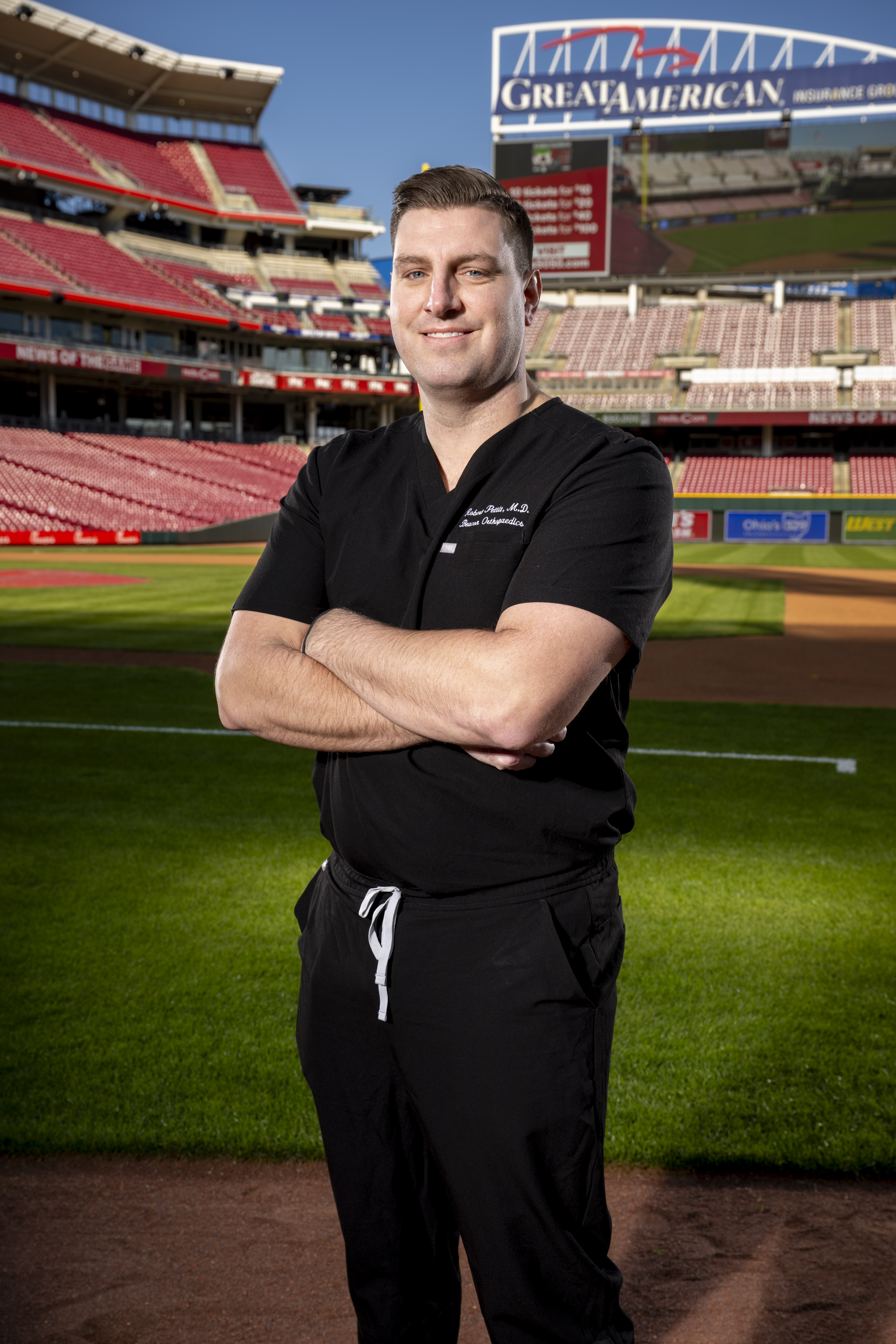 Patients suffering from chronic knee pain now have a promising option to delay arthritis and potentially avoid knee replacement surgery. Dr. Robert Pettit, a board-certified, fellowship-trained orthopedic surgeon at Beacon Orthopaedics & Sports Medicine, performs an innovative cartilage restoration procedure called Matrix Autologous Chondrocyte Implantation (MACI). This cutting-edge treatment utilizes a patient’s own cartilage cells to repair damaged tissue, offering hope to younger patients with cartilage injuries.
Dr. Pettit’s personal experience with orthopedics began at age 12 when he was diagnosed with Juvenile Osteochondritis Dissecans (JOCD), a rare condition affecting the bone beneath the cartilage in both knees. The disorder, which can lead to early arthritis, requires multiple surgeries. Despite the challenges, Dr. Pettit went on to play football for Saint Xavier High School and was a member of the Bomber’s 2005 state championship team. His recovery sparked his desire to become an orthopedic surgeon.
 “After several surgeries and phenomenal care, I was able to return to football. That experience shaped my life and career,” Dr. Pettit said.
Now, Dr. Pettit is bringing that same dedication to his patients, offering MACI as a solution for those facing knee pain, swelling, and loss of function due to cartilage damage. The procedure mainly benefits patients in their 20s to 40s, with some older individuals also seeing success.
“The MACI procedure allows patients to maintain an active lifestyle, prevent arthritis progression, and, in many cases, avoid knee replacement surgery,” Dr. Pettit explained. “Patients can often return to their normal activities within three to six months.”
The MACI procedure involves harvesting a small sample of the patient’s cartilage—about the size of two Tic-Tacs—from the knee. This sample is sent to a lab where the cartilage cells are cultured and grown over several weeks. Once the new cells are ready, they are implanted back into the knee, regenerating damaged cartilage.

Dr. Pettit likened the process to repairing a road: “It’s like filling a pothole. We’re replacing the damaged tissue with new, healthy cartilage that can restore the knee’s function.”
MACI offers a faster recovery compared to traditional treatments, with patients experiencing less stiffness, quicker return of motion, and a shorter rehabilitation period. “This procedure provides a reliable, long-lasting solution for many of my patients,” he said. “For those younger, active individuals, it’s often the gold standard.”
One of the critical indicators for a MACI evaluation is persistent knee pain or swelling, particularly after activities such as jogging or walking. “If you notice stiffness or swelling that lasts more than 24 hours and impacts your ability to move normally, it’s worth seeking an evaluation,” Dr. Pettit advised.
 In addition to his clinical work, Dr. Pettit has extensive experience treating athletes at all levels, including professional, collegiate, and high school sports. He completed a Sports Medicine and Reconstructive Surgery fellowship at the renowned Beth Israel New England Baptist Hospital in Boston, where he served as an assistant team physician for the Boston Celtics and Merrimack College’s Division I teams. Dr. Pettit is a team physician for the Cincinnati Reds, Florence Y’alls, and Clark Montessori High School.
With a career rooted in personal and professional experiences, Dr. Pettit continues to advance the field of orthopedic surgery, helping his patients stay active and avoid major surgeries like knee replacements.
Beacon Sponsors Junior Clinic with Aline Krauter (LPGA Pro) at the 2024 Kroger Queen City Championship
September 24, 2024


Last week, Beacon Orthopaedics & Sports Medicine proudly hosted a junior’s clinic at the Kroger Queen City LPGA event. Led by professional golfer Aline Krauter, the clinic offered young players the chance to learn essential short-game techniques, including putting and chipping. Aline took the time to share her personal routine, explain club selection, and answer questions from eager participants.
Aline encouraged the kids to stay dedicated, reminding them that while golf can be challenging, persistence and hard work are crucial to improvement. We are thrilled to have provided this opportunity to inspire the next generation of golfers at such a prestigious event.
Thank you to Aline and everyone who joined us for this exciting clinic—we look forward to more events like this in the future!
Dr. Timothy Kremchek Joins Bally Sports’ John Sadak to Discuss 50 Years of Tommy Johns
September 23, 2024
WATCH: THREE STRIKES, NOT OUT DOCUMENTARY
Reds broadcaster John Sadak talks with Dr. Timothy Kremchek of Beacon Orthopaedics & Sports Medicine about the 50th anniversary of the first Tommy John surgery. Dr. Kremchek reflects on the groundbreaking procedure, its impact on baseball, and how it revolutionized sports medicine. He discusses the surgery’s evolution, modern recovery times, and the rise of repeat surgeries, like in the case of Reds pitcher Tejay Antone. Dr. Kremchek also touches on the growing emphasis on velocity in pitching and the challenges that pose for player longevity.
Transcript
John Sadak:
Well, today marks 50 years since the first Tommy John surgery, performed on Tommy John himself. Can you give us some insight? What was the medical field like back then, and what kind of impact did this procedure have on the game?

Dr. Frank Jobe with Tommy John in 1974
Dr. Timothy Kremchek:
I was in seventh grade when that happened, so I didn’t really know what Tommy John surgery was until probably the early ’90s—and a lot of people didn’t. But I’ve gone on record saying that two of the biggest advances in sports medicine over the last 50 to 75 years, in terms of keeping athletes on the field, are the ACL reconstruction and the Tommy John procedure, pioneered by Dr. Frank Jobe in 1974.
The surgery on left-handed pitcher Tommy John revolutionized how we manage athletes, particularly pitchers, and it’s become almost an epidemic over the last few years.

Tejay Antone MRI Image
John Sadak:
From what I read, there was only about a 1% chance that Tommy John would ever pitch again. Tell us about those first few years after the surgery. How many major leaguers had it done, and how does that compare to today?
Dr. Timothy Kremchek:
When Tommy John injured his elbow, there was no cure at the time. Pitchers like Sandy Koufax had to leave the game because of similar injuries. Dr. Jobe, a polio specialist at Centinela Hospital in Los Angeles, performed the surgery. Getting to know Dr. Jobe has been one of the great honors of my career. He’s rightfully in the Baseball Hall of Fame. Tommy John, after a second surgery to move a nerve, came back and won more games post-surgery than before.
But think about this: If that surgery hadn’t worked in 1974, where would we be now? In the first 10 years after the procedure, only 12 players had it. But in the early ’90s, it started to take off as success rates improved. Today, around 36% of Major League Baseball pitchers have undergone Tommy John surgery.

Dr. Kremchek Performs Tommy John Procedure
John Sadak:
What’s the recovery timeline like now, from surgery to getting back on the field? What does the rehab process entail?
Dr. Timothy Kremchek:
It’s interesting. I spoke with Tommy John about 10 years ago, and the rehab he went through in 1974 is quite similar to what we do now, which is surprising.
Surgically, we’ve made tremendous advancements, but the rehab remains consistent. It’s about 4 to 6 months before pitchers start throwing again, and it takes about a year to fully return to form.
For instance, a couple of Reds pitchers— [Connor] Overton and [José] Sanmartín—had the surgery last year, and they’re both pitching in Triple-A now. We’ll see if they get a call-up, but typically, the full recovery is around a year.

Tejay Antone
John Sadak:
You’re involved in a significant effort with Tejay Antone, who’s attempting to come back after multiple surgeries. Can you share more about that?
Dr. Timothy Kremchek:
The longevity of a Tommy John surgery is typically around six to seven years. We’re now performing revisions on athletes whose ligaments have torn again. Tejay is a unique case because he tore his ligament twice and underwent a third reconstruction. We’re not sure how this will play out. Tejay has been working hard to document his journey to educate others. I give him credit—he asked me to help, and I’m happy to be part of it.
Unfortunately, I think we’re going to see more players needing two or three Tommy John surgeries as they try to return to the game. The allure of the big leagues is strong.
John Sadak:
There are reports of some athletes electing to have Tommy John surgery, hoping for a performance boost. What’s your view on that, and what impact does the surgery have on the ligament and throwing mechanics?
Dr. Timothy Kremchek:
What we’re doing is replacing the torn ligament on the inside of the elbow with a graft, much like we do with ACL reconstruction. Over time, the tendon we implant turns into a ligament. We’ve developed newer techniques, like using an internal brace for repairs or revisions. Some players, like Justin Wilson, have had what we call a “hybrid,” combining a ligament graft with the internal brace. It’s worked well, but the rehab process remains largely unchanged.

Tejay Antone during Tommy John Procedure
John Sadak:
Where do you see this procedure heading in the future?
Dr. Timothy Kremchek:
Unfortunately, I think the number of surgeries will continue to rise. The main issue is pitchers throwing too hard and too often. We’ve become obsessed with velocity. If a high school or college pitcher doesn’t hit 90 mph, they’re often overlooked. The days of pitching with finesse—hitting corners, changing speeds—like Greg Maddux or Tom Browning did, seem to be fading.
As long as we prioritize velocity, pitchers won’t last. We need to focus on mechanics and pitch control across all levels—Major League, minor league, college, and high school. If a pitcher throws 90+ mph in high school, it’s only a matter of time before they need Tommy John surgery. And if they require a second or third surgery early in their professional career, we don’t yet know the long-term outcomes.
Preventing these injuries is key. Hard throwing, combined with the slickness of today’s baseballs, has made it more difficult. Players like Sonny Gray and Tejay Antone will tell you that gripping the ball tighter increases stress on the muscles protecting the elbow, making the ligament more vulnerable. We need to address this at the Major League level to keep star players healthy and on the field.
Tejay Antone Talks “Hardball” with Lance McAlister
August 12, 2024
On Monday evening on Inside Pitch, Lance McAlister discussed Hardball: Three Strikes, Not Out with Tejay Antone of the Cincinnati Reds.
In the interview, Antone shared his experiences navigating the challenges of a potentially career-ending injury and his path to recovery after his latest surgery. His transparency and determination are at the heart of Hardball, providing a rare glimpse into the rigorous and emotional journey of an elite athlete’s return to the mound.
Antone discussed the significance of sharing his story, not just for fellow athletes but for anyone facing adversity. “This is my third time doing this…how can I make something optimistic out of this and help other people through it?”
During the interview, Tejay discusses his wife Kelsi’s impact on his recovery. “She’s been a rock for me… [even] helping me wash my back after surgery, cooking for me, taking care of everything.”
Beacon Orthopaedics & Sports Medicine is extremely proud of Hardball: Three Strikes, Not Out and hopes it provides a deeper understanding of the dedication and perseverance required to return to the highest level of competition. The full series is available here.
About Beacon Orthopaedics & Sports Medicine
Established in 1996, Beacon Orthopaedics & Sports Medicine has helped thousands of patients overcome injuries and improve their quality of life. Beacon Orthopaedics provides medical direction and coverage for over 35 local high schools, five college athletics programs, and professional teams including the Cincinnati Reds. With over 20 locations across Southwest Ohio, Northern Kentucky, and Southeastern Indiana, Beacon offers instant access to comprehensive orthopaedic care, including sports medicine, physical therapy, athletic training, imaging services, regenerative medicine, as well as surgical procedures involving neck, spine, shoulder, elbow, hand, hip, knee, foot and ankle repair, reconstruction, and replacement.
Local and National Outlets Turn to Beacon’s Dr. Kremchek on Ohio’s Natural Grass Legislation
July 29, 2024

Beacon Orthopaedics and Sports Medicine’s Dr. Tim Kremchek said he supports a proposed law that would mandate mostly natural grass on professional sports stadium fields in Ohio.
“I think it’s a strong statement,” said Dr. Kremchek, who served more than 25 years as the Cincinnati Reds team doctor and has treated thousands of professional, collegiate, high school and amateur athletes, told Local12.
Two Ohio state lawmakers have filed legislation in Columbus that would force every professional sports stadium in the state to play on fields that are at least 90 percent natural grass.
“I support it 100 percent,” he said.
Dr. Kremchek told FOX 19 that most athletes prefer playing on natural grass rather than artificial turf.

Artificial turf can cause injuries not typically associated with natural grass surfaces, he said.
“The torque doesn’t give” on artificial turf, Dr. Kremchek said. “So if something has got to give, it is going to be your ankle or your knee.”
The media frequently calls on Dr. Kremchek to discuss sports-related injuries. Last year, Dr. Kremchek appeared on HBO’s Real Sports with Bryant Gumbel to discuss the playing surface debate.
Media Outlets Covering the Story
Cincinnati, OH, Channel 9 WCPO
The Bengals play on artificial turf. A new Ohio bill wants to change that.
Cincinnati, OH, Fox 19, WXIX
Ohio bill would ban artificial turf from pro sports stadiums
Cincinnati, OH, Local 12 WKRC
‘I support it’: New Ohio bill would ban artificial turf on all professional sports fields
A to Z Sports, atozsport.com
Proposed Ohio state law is set to make Cincinnati Bengals’ massive offseason project a short-lived success
Cincinnati, cincyjungle.com
Proposed Ohio Law could impact Paycor Stadium
Charleston, WV, Eyewitness News, WCHS 8, Fox 11
‘I support it’: New Ohio bill would ban artificial turf on all professional sports fields
Dr. Kremchek Recalls His Two Day Visit with Late Baseball Great Willie Mays
June 19, 2024
 When Beacon co-founder Dr. Tim Kremchek was growing up in Boston, his two favorite big league baseball players were Carl Yastrzemski of the Boston Red Sox and New York Giants centerfielder Willie Mays.
“Yaz”, as Yastrzemski was known, was the hometown favorite. But why Mays, who played in a different city and on another team?
“To me,” recalled Dr. Kremchek, a Cincinnati Reds team physician who has cared for Major League Baseball players for most of his career, “Willie Mays was the greatest player who ever lived. I hung out with a lot of great professional players over the years. But Willie Mays was the best, and I always wanted to meet him.”
Dr. Kremchek’s dream came true when, in 2009, he spent two days with Mays, a Hall of Famer who passed away June 18 at the age of 93.
It was actually Dr. Kremchek’s wife, Hilary, who arranged for the two to meet. She contacted former Reds manager Dusty Baker. Baker had played for and managed the San Francisco Giants and got to know Mays through his long affiliation with the team.
“Hilary knew how much I wanted to meet Willie Mays and spend some time with him,” Dr. Kremchek said. “Dusty connected Willie Mays and Hilary, so over a period of three months, she kept calling Willie’s cell phone to make it happen.”
Dr. Kremchek and Hilary spent two days with Mays in San Francisco during the ’09 season. On the first day, they spent about 90 minutes together in the parking lot of the Giants ballpark.
“We just hung out before the game. It was like we were tailgating,” Dr. Kremchek said.
The next day, Mays invited the Kremchek’s to watch the Giants from his private box.
“A biographer was with him that day, so he was telling many stories,” Dr. Kremchek said. “It was amazing. Spending two days with one of the game’s true greats, a player I idolized while growing up and always respected, was one of the great highlights of my entire career.”
Kremchek remembers stories Mays told about members of the Reds.
During part of the 1960s, African American players were segregated from white players while in Cincinnati to play the Reds and had to stay in different hotels.

Pete Rose and Willy Mays exchange lineup cards before the last game at Crosley Field.
“Willie said the Pete Rose would come to the black players’ hotel and just hang out with them,” Dr. Kremchek said. “Pete would play stickball with Willie, go out to dinner and discuss baseball. Willie said he never forgot that about Pete.”
Mays was a fierce base runner who was known to hook slide catchers when coming into home plate.
Pete Rose and Willy Mays exchange lineup cards before the last game at Crosley Field.
“Willie would come in and try to hook the catcher’s legs so he couldn’t catch the ball,” Dr. Kremchek said. “But he said that didn’t work with two Reds’ catchers, Johnny Edwards and Johnny Bench. Willie said both had legs like tree trunks that he could not spin around.”
During the 1968 All-Star game, Mays also told a young Bench that he would eventually become the best catcher in baseball.
And Mays once helped Reds second baseman Joe Morgan, who at the time was with the Astros, out of a slump by sitting in centerfield during a game and picking up signs from the catcher. He then signaled to Morgan what pitch was coming next.
“Joe Morgan got three hits that day, and the slump was over,” Dr. Kremchek said. “That’s the kind of guy he was; whenever young players came to him for advice, no matter what team they played on, he tried to help.”
Mason Comets Clinch First State Baseball Title: A Community Triumph
June 11, 2024
 Mason, OH – The Mason Comets capped off an extraordinary season by clinching their first OHSAA Division I state baseball championship on Sunday with a decisive 8-1 victory. This historic win not only underscores the team’s athletic excellence but also highlights the unwavering support from their community and the contributions of several key figures behind the scenes.
Integral to the team’s success is Dr. Andrew Razzano from Beacon Orthopaedics & Sports Medicine, alongside the Mason Athletic Trainers, who ensure the players have access to quality care throughout the season. “Our goal is to provide comprehensive support to all the athletic teams and the community,” Dr. Razzano said. “From immediate injury care to long-term recovery, we’ve been closely involved with the baseball team, particularly as they pushed towards the championship.”

Nico Martin with the State Champion Mason Comets
Nico Martin, the team’s athletic trainer and avid baseball enthusiast, has been a constant presence. “I love attending games and being part of the action,” Martin shared. “Managing their health while enjoying the sport I love has been incredibly fulfilling.” Martin emphasized the intense final week of postseason preparations and Head Coach Curt Bly’s management skills, which balanced effective practice with player well-being. “Coach Bly ensures the team is well-prepared without overworking them,” Martin noted.
Adding a unique layer to the Comets’ success story is Jake Tisevich, a physician assistant from Dr. Razzano’s office and a former standout high school and collegiate baseball player. Tisevich is a hitting coach and provides specialized training that integrates clinical care with performance coaching. Reflecting on the championship, he said, “Watching these players develop both in the medical office and on the field has been surreal. They embodied the spirit of champions well before winning the trophy.”

Jake Tisevich, PA-C with JJ Darst, Mason player.
Dr. Razzano lauded Tisevich’s dual role: “Jake’s contributions span managing injuries to tailoring training regimens. This holistic approach has kept our players at their peak performance.”
Martin further highlighted the seamless collaboration within the medical team. “Our constant communication ensures the players receive top-notch care from both a sports medicine and skill development perspective.”
The Mason Comets’ state title is a testament to the power of community support and the collective effort of players, coaches, medical professionals, families, and fans. Their victory celebrates more than just athletic prowess—it’s a triumph of community spirit and teamwork.
Beacon Orthopaedics & Sports Medicine provides medical direction and coverage for over 35 local high schools, five college athletics programs, and professional teams, including the Cincinnati Reds. With over 20 locations across Southwest Ohio, Northern Kentucky, and Southeastern Indiana, Beacon offers instant access to comprehensive orthopaedic care, including sports medicine, physical therapy, athletic training, imaging services, regenerative medicine, as well as surgical procedures involving neck, spine, shoulder, elbow, hand, hip, knee, foot and ankle repair, reconstruction,and replacement.
Dr. Emily Dixon: Importance of Female Doctors to Female Patients
May 23, 2024
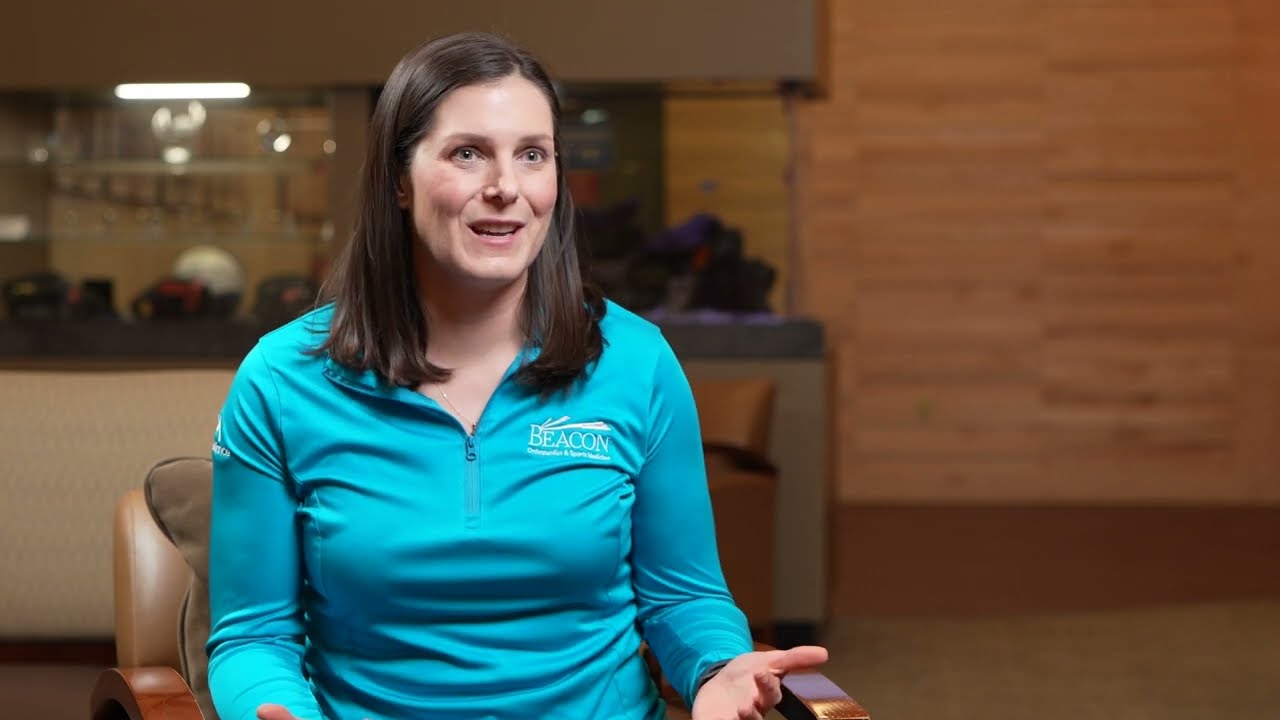
. In the world of sports medicine, Dr. Emily E. Dixon is a great example to women, both young and old, athlete or not. A former competitive soccer player, she has a personal interest in taking care of the female athlete. She is board-certified in family medicine and sports medicine and has years of family practice with a focus on sports medicine. It is that professional expertise and unwavering dedication to championing women’s health that allow Dr. Dixon to bring unique perspective and expertise when caring for the female athlete.
Dr. Dixon says it best. “I can relate to female patients on a different level,” she said.
“Sometimes females may be hesitant to share things like their menstrual history with a larger, male orthopedic surgeon. So, it’s nice for me to provide that representation” allowing them to truly be heard. That type of relationship is important for every doctor and patient as it helps lead to more accurate diagnosis and more effective treatment plans. It’s important to understand that bodies, muscle tone and muscle health differ from men to women.
By building strong doctor-patient relationships based on trust and empathy, Dr. Dixon empowers her patients to prioritize their health and well-being. From the current competitive female athlete to the postmenopausal woman who is simply trying to exercise to maintain health and weight, the entire team at Beacon Orthopaedics & Sports Medicine knows how to provide the best in care. Dr. Dixon is an important member of that team, providing all her patients with comprehensive care tailored to their specific circumstances and needs.
So, whether you’re a professional athlete or a weekend warrior, prioritizing your health means finding a doctor who understands and supports your unique needs. Perhaps that someone is Dr. Emily Dixon. Schedule an appointment today
Craig Lindsey Honored as Ohio’s 2024 Athletic Trainer of the Year
May 11, 2024
During its annual dinner on Friday evening, the Ohio Athletic Trainers Association (OATA) honored Beacon’s own Craig Lindsey with its highest award – 2024 Athletic Trainer of the Year.
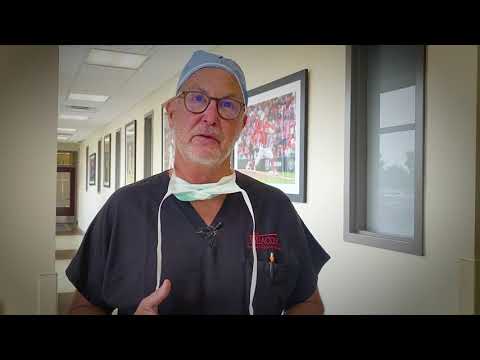
The award, presented annually by the OATA, spotlights individuals who exemplify outstanding leadership, compassion, and excellence in athletic training. Craig’s nomination detailed his remarkable career growth and his profound influence on the athletes in his care and the colleagues with whom he has worked over the years. Unaccustomed to the spotlight being shone on him by his peers and mentors, Craig said, “I never saw myself being recognized in this way.” This humble response to a well-earned award illustrates Craig, in a nutshell.
With a nearly three-decades-long career, Craig’s journey in athletic training has been marked by dedication, resilience, and a steadfast commitment to the Moeller High School community. Those qualities were evident early in his career when he was a student manager for a college basketball program. He then interned with professional sports teams like the Cincinnati Bengals. All along, Craig’s passion for sports medicines never wavered. That passion guided him through his education, certification and ultimately on to Archbishop Moeller High School, where he has served since August 1995.
Describing Moeller as “family” and “home,” Craig emphasized the supportive environment cultivated within that community. He talked about the transformative power of sports in molding individuals not only as athletes but as resilient, confident individuals prepared to face all life’s challenges.
A key factor in Craig’s success has been his collaborative partnership with individuals like Dr. Timothy Kremchek, whose mentorship has been invaluable throughout his career. Dr. Kremchek praised Craig’s dedication to student-athletes and their families, stating, “Craig’s unwavering dedication to student-athletes and their families is unparalleled. His commitment to excellence, sacrifice, and mentorship embodies the true spirit of athletic training. The Ohio Athletic Trainer of the Year is a well-deserved honor for an exceptional individual who has shaped countless lives and has been an invaluable asset to our community and Beacon Orthopaedics & Sports Medicine.”
During his acceptance speech at the OATA event, Craig expressed gratitude to the countless individuals who have supported and inspired him along the way. From colleagues and mentors to the athletes themselves, Craig acknowledged the collective positive experience that has fueled and inspired his professional and personal journey. Athletic training truly is a team sport.
As Ohio’s Athletic Trainer of the Year, Craig Lindsey stands as a beacon of excellence and compassion in sports medicine. He is a terrific example of the profound impact dedicated athletic trainers can have on the lives of athletes and the broader community they serve. He is truly a role model—and a really nice guy. Congratulations, Craig, on this well-deserved honor!
Adult Degenerative Scoliosis
May 9, 2024
 Do you remember being screened for scoliosis when you were a child? The short, non-invasive test was performed by a trained professional like your pediatrician or a school nurse to determine if you had a curve in your spine that may need to be examined by an orthopedic specialist.
Those screenings were — and continue to be — very helpful in the early diagnosis of scoliosis in children. And as with so many health conditions, early diagnosis is important as that leads to early treatment.
More than 60% of adults over the age of 60 experience some amount of degenerative scoliosis. Some patients experience this because of manual labor over time or perhaps due to disease processes like osteoporosis.
In fact, the average age of patients he treats for scoliosis is 70 years old. So, while it’s still important for elementary school students to be screened, it is highly likely that older adults who experience back pain may have scoliosis. Some common symptoms of adult degenerative scoliosis include:
- Dull ache or stiffness in the lower back
- Sharp shooting pain in the legs (aka sciatic pain)
- Numbness and/or tingling in the legs
- Fatigue or leg “heaviness” when walking that improves with rest
 Symptoms associated with degenerative scoliosis tend (as the name implies) to worsen over time. Some patients report that they are “leaning forward” unintentionally or that that they cannot stand up straight when walking. It is not necessary to be formally diagnosed to seek relief. Being evaluated by a professional is a good step to take.
If you are experiencing any of these symptoms or have questions or concerns about your back pain or curvature, you can schedule an appointment online anytime. It’s still a short, non-invasive test.
And this time, you won’t even have to miss recess.
Peripheral Nerve Stimulation (PNS) and How It Helps Manage Back Pain
May 4, 2024
The terms mononeuritis and entrapment neuropathy cover a wide spectrum of nerve disorders and therefore may present unique challenges in pain management. In recent years, the use of peripheral nerve stimulation (PNS) has garnered attention as a promising treatment for some of these disorders. So, in this post, I will delve into clinical applications of PNS, shedding light on how it targets the middle and superior cluneal nerves to alleviate back pain.
Post-Sacroiliac Joint Fusion Surgery Back Pain: A Clinical Conundrum
Sacroiliac joint fusion surgery is a common intervention for addressing chronic sacroiliac joint dysfunction. However, some patients may experience persistent or new onset back pain after having the procedure. This lingering pain can be attributed to various factors, including the involvement of middle and superior cluneal nerves.
Understanding Superior and Middle Cluneal Nerves
The superior and middle cluneal nerves are branches of the posterior rami of spinal nerves arising from the thoracic and lumbar regions. These nerves innervate the skin overlying the sacral and lumbar regions, playing a crucial role in transmitting sensory information from these areas to the brain. When these nerves become compressed, irritated, or damaged due to various factors such as trauma, degeneration, surgery or anatomical abnormalities, they can trigger chronic low back pain, often characterized by a dull, burning, or tingling sensation.
Peripheral Nerve Stimulation: Precision in Mononeuropathy
PNS offers a precision targeted approach to mononeuropathy by delivering controlled electrical impulses to specific nerves. In the case of the middle and superior cluneal nerves, the implementation of electrodes near the affected area allows for neuromodulation, disrupting aberrant pain signals and providing relief. This precision makes PNS a potentially effective option to relieve neuropathic pain.
Navigating Challenges: Electrode Placement and Individual Variability
Achieving optimal outcomes with PNS requires meticulous attention to electrode placement. Individual anatomy necessitates precise positioning under fluoroscopic or ultrasound guidance. This tailored approach minimizes the risk of unintended effects and maximizes the therapeutic benefits of PNS for mononeuritis and entrapment neuropathy.
Clinical Evidence and Outcome
Scientific literature reveals a growing body of evidence supporting the use of PNS for mononeuropathy associated with the middle and superior cluneal nerves. Clinical studies showcase reductions in pain intensity, improvements in functional outcomes, and enhance patient reported quality of life. These findings underscore the therapeutic potential of PNS in modern neuropathy.
In conclusion, the utilization of a peripheral nerve stimulator for post-surgical back pain from SI joint fusion surgery leading to mononeuritis and/or entrapment neuropathy targeting the middle and superior cluneal nerves represents a significant stride in precision pain management. This scientific exploration underscores the intricate interplay between the anatomy, technology, and clinical outcomes.This offers a glimpse into the promising future of modulation as a transformative approach to post-surgical back pain resulting from mononeuritis and entrapment neuropathy.
So if you are still experiencing back pain after sacroiliac joint fusion surgery, it may be time to schedule an appointment with Dr. Manocha to learn more about PNS as a treatment option.
Dr. John Wyrick Uses His Unique Skills and Experience to Help In Africa
April 26, 2024
 A Yearning to Help . . .
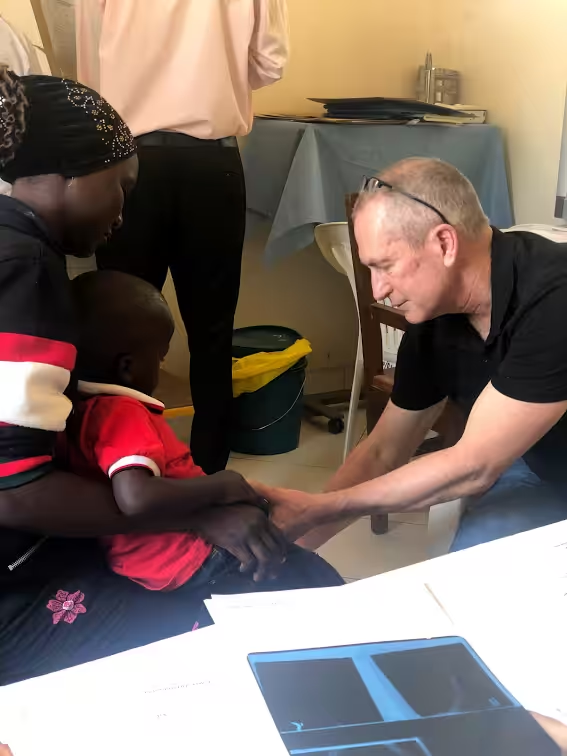
About five years ago, Dr. John Wyrick, Orthopaedic Surgeon with Beacon Orthopaedics & Sports Medicine, was searching for a meaningful way to give back to the community and the world. He was proud of his medical practice, his family and his life in general. However, he felt a pull to use his gifts to help a wider circle of people.
But How and Who?
As that pull continued, he became aware of the local arm of the nonprofit organization Village Life Outreach Project. Through them, he made his first mission trip and was introduced to the very specific orthopedic needs of the indigenous people of Tanzania. He found that many Tanzanians ride motorcycles as part of their daily lives. Due to the sheer volume of riders and potentially more hazardous road conditions, there are more accidents than occur in the U.S. Unfortunately, many of what we might consider routine bone fractures that occur there were not set properly, more likely to become infected, and caused even more trouble.
Calling Dr. Wyrick?
About five years ago, Dr. Wyrick joined a team of healthcare professionals on a mission trip to Tanzania. Upon arrival, he saw what those poorly set (and infected) bones yielded – severe lower limb deformities that required surgery. A surgery for which he had specialized training. During that first trip, the goal was to operate on as many Tanzanians as needed. He worked in tandem with local doctors and nurses, realizing that the need was much more than just the surgeries. The local physicians needed medical training, equipment and resources to treat the people needing surgery in the short term. More importantly, he also better to equip those providers with the training and equipment they need to adequately address those problems in the future.
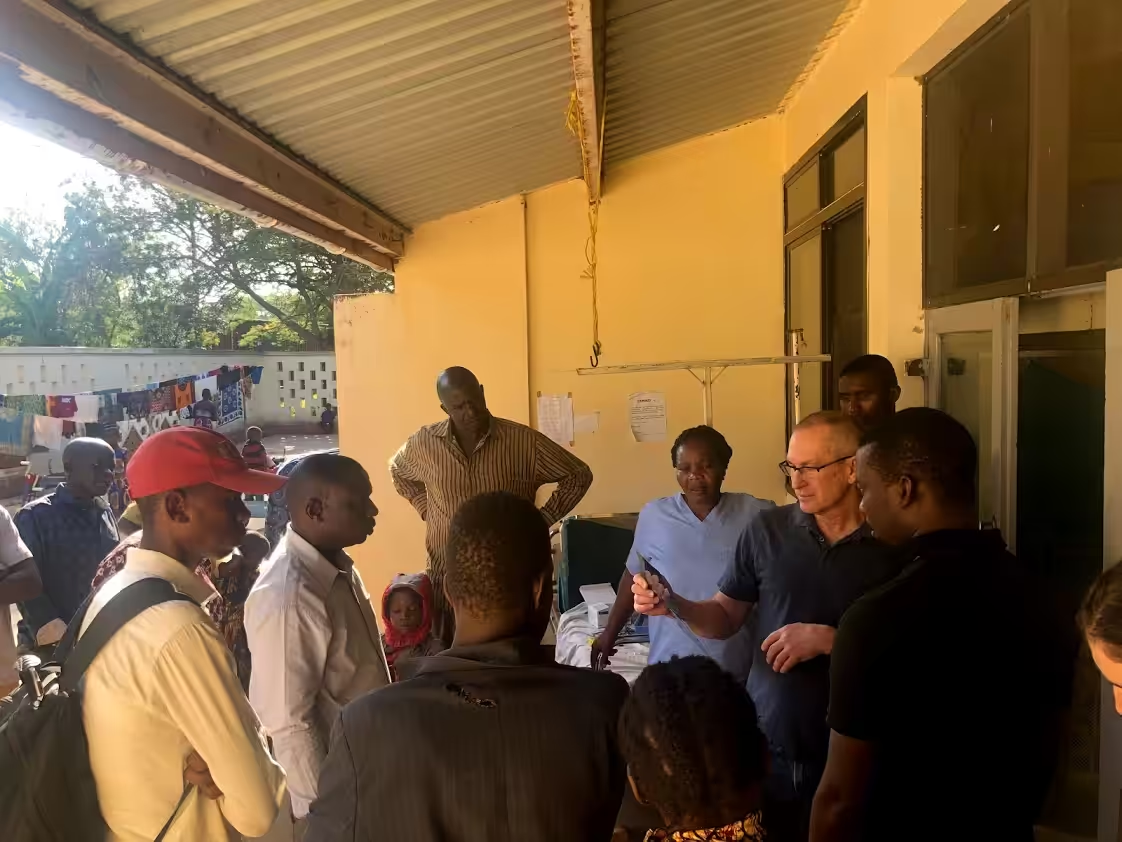
Dr. Wyrick Returns.
It sounds like the sequel to a great movie.
Now organizing through local (on-the-ground) contacts, Dr. Wyrick has returned to Tanzania several times. His experiences there (and traveling to and from) have made those trips both easier and more cumbersome simultaneously. Now, he brings as much as he can fit in his carry-ons. And hopes it’s enough. That includes orthopedic frames that are readily available in the US, but are scarce there. He found that shipping them was too expensive and risky. Dr. Wyrick said, “Shipping cannot be counted on, and going through Customs is tough.”
He has forged real and lasting friendships with local physicians, now staying in their homes, sharing meals and special times with their families. This summer, he’s been invited back to teach at Muhimbili Orthopaedic Institute (MOI). “We want to train more local healthcare providers to set fractures properly,” said Dr. Wyrick. “We will also teach them how to care for those patients as they recover.” He knows his training and experience informed his work there. He believes that yearning to help somewhere has been filled by this vital work. And he knew almost immediately that he was specially qualified to do it.
Well done, Dr. Wyrick. Well done.
In Our Patient’s Own Words: Grateful for Physical Therapist’s Unwavering Dedication to My Recovery
April 3, 2024
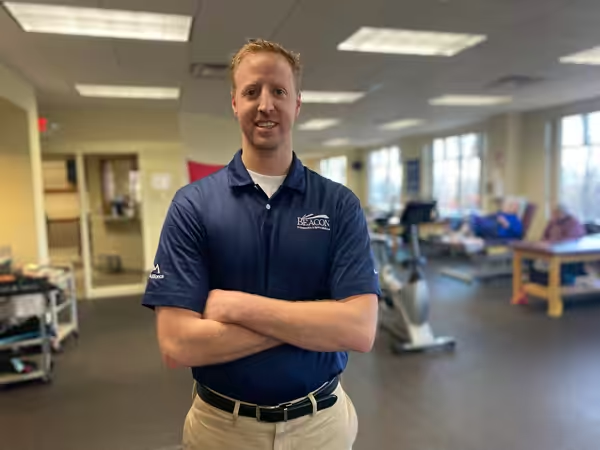 In our busy lives, we’ve all been asked to provide an online review for receiving care or a service. Even if we’ve been very happy, we have all simply provided one word of praise – for expediency’s sake. Entering “great” or even an emoji must simply suffice. We’ve got so much to do!
Recently, Beacon Physical Therapist Rob Boyd, received much more than a cartoon “thumbs-up” as a review from one of his PT patients, following his knee-replacement surgery. The patient’s thoughtful post began with:
While there are standard components to PT following a knee replacement, engaging each person thoroughly, and concentrating on their experience, is critical to the personalized care offered. “We listen to every patient carefully, working closely together. For instance, I found out that this patient wanted to return to kayaking, which requires ‘sitting low’,” said Rob. “So that became a measurable and achievable goal for us to seek.”
 Knowing that physical therapy is a team effort (patient, surgeon, and physical therapist all working together), Rob was quick to point out that this man was in good shape to begin with and after the surgery, he always did the work required at home to supplement the sessions they did together. When asked what other potential physical therapy patients might learn from this case, Rob offered these things to know:
- Research shows that the better strength and mobility patients have before surgery, the better they will do with PT and recovery.
- Patients might even want to ask about “prehab” to increase their range of motion and strength BEFORE surgery.
- Expect that your post-surgery rehab work:
- Starts three days after surgery
- Happens two times a week for two to three months with your physical therapist
- Continues with at-home exercise for about three more months – this homework is critical to successful outcomes
“I want people to know that PT is a lot of work after the surgery itself,” stressed Rob “Patients need to ‘buy-in’ for PT to succeed.” He stressed that everyone is different and that is part of the relationship he builds with each patient. Whatever goals are set together and how hard and quickly the patient must work at the clinic and at home are the ways fuller recovery happens.
 Brevity is always appreciated in our fast-paced world. However, the detailed summary included compliments and thanks Rob not only appreciated; they were completely deserved.
“My experience with Physical Therapist Rob Boyd at Beacon Orthopedics was nothing short of excellent. I am immensely grateful for his expertise, compassion, and unwavering dedication to my recovery.” – Beacon Patient
If you are experiencing pain or have questions about joint replacement or the benefits of physical therapy, please click here to schedule an appointment with one of the Beacon professionals.
Experience You Can Trust: Dr. Burger at Xavier University
March 22, 2024
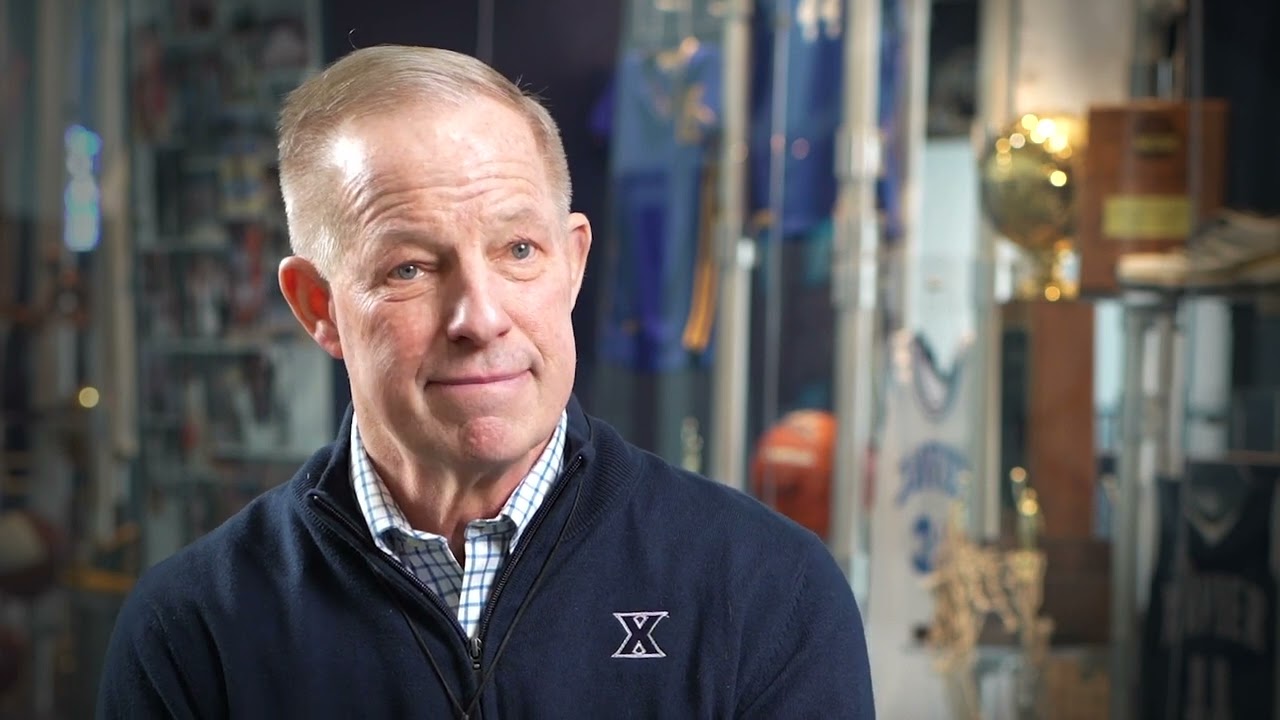
Establishing a relationship with a trusted team of medical providers is essential. While qualifications and specialties are important, building and maintaining a meaningful and effective patient-provider relationship is crucial.
Beacon Orthopaedics & Sports Medicine’s Dr. Robert Burger is a great example of how patient care is founded upon experience, and then nurtured and grown through true relationship-building.
“I played football at the University of Notre Dame,” Dr. Burger said. “And I was lucky not to have been seriously injured. However, I had teammates who were.” His words were heartfelt when he talked about how the team’s physician cared for those young men and their families as they navigated toward healing and a hopeful return competing.
He went on to study and practice medicine, get married, and raise four sons (all with dreams of playing college athletics). And for each, that dream became a reality. Over the years, Dr. Burger’s roles then included coach and parent.
Throughout the years and varied experiences, he’s honed skills like listening attentively, empathizing, and addressing concerns fully and kindly. His perspectives as an athlete, teammate, parent, coach, and physician influence every relationship he forms with patients to this day. “I treat the entire family when an athlete gets injured,” Dr. Burger said.
He has been on both sides of the ball, so to speak.
“Xavier University is really good at supporting student-athletes, and not just in their moments of success, but when they experienced failure,” he shared. “And it’s gratifying to me when a student-athlete comes back and says, ‘Hey Doc, thank you.’ That means a lot.”
Experiencing how he, his teammates, and his sons were treated by teams’ medical staff members helped direct how he now provides care. His commitment to forging trusting relationships with patients started all those years ago in South Bend and continues to this day where he serves as Medical Director and Head Team Physician at Xavier University.
A trusting relationship is everything.
Patient Spotlight: Beacon Doctors Team Up to Restore Active Life for Patient with Sudden Pain
March 18, 2024
Unless there is an accident or an injury, pain usually grows slowly over time. Gradually building until a specific “pain start date” may even be difficult to identify. Not so for 71-year-old Patricia Amshoff.
No car accident. No fall. But one day, this healthy, active adult had no pain and the next day, she did. A lot of pain.
Pat immediately rattles off the date, “it was November 19, 2022.” She remembers it because she was watching her grandson play in a basketball tournament (just one day before his 11th birthday). While on the bleachers at LaSalle High School, she was admittedly (and happily) jumping up and down to cheer on his team. The next morning, she had trouble even getting out of bed. In fact, she could barely move.
She couldn’t sit, stand, or walk up and down stairs without excruciating pain. Sleep was hard to come by. She used ice, heat, rest, and even bought a new recliner. All to no avail. She needed expert care.
Pat already had some experience with orthopedic care and physical therapy. The doctors and staff at Beacon Orthopaedics & Sports Medicine had provided her relief in the past for various issues over close to ten years. She had already had four fusions (two spine, one cervical, and one foot). So, in late 2022, she sought Beacon’s expertise and care again.
“I wasn’t asking for drugs; I was asking for relief,” she shared.
For this pain, she started with Dr. Jaideep Chunduri who specializes in managing spinal conditions. There were scans, exams and six weeks of physical therapy that provided some solid short-term relief. However, at this point, it became clear that she needed a more long-term solution. Dr. Chunduri mentioned the possibility of working with his colleague Dr. Vic Manocha (who specializes in interventional pain management) to discuss Peripheral Nerve Stimulation or PNS.
PNS uses electrical energy (rapid electrical pulses) to block specific nerves from sending pain signals to the brain. Delivering these pulses to the nerve changes how it behaves and how often it fires. PNS placement involves a minor procedure that places a small electrical device (a wire-like electrode) next to one of the peripheral nerves (located along the brain or spinal cord).
And although this seemed like a viable option, her insurance company said that at that time, it wasn’t a medical necessity. After working with her, he felt that the pain was possibly caused by bursitis in her hip. Given that, they began to focus on her SI joint fusion. She received injections, this time. They felt good for a while, but again that relief was only temporary. And now, not only was she in pain, but sometimes the back of her thigh was going numb.
 In March of 2023, Dr. Chunduri consulted and referred her to their Beacon colleague, Dr. Manocha for a PNS trial that would last about seven days. They found that this would satisfy the insurance requirements and might just provide the long-term results she was seeking.
After the trial period, Pam reported that her pain was still apparent but now, controllable. Since she did not want to endure a second physically uncomfortable holiday season, Dr. Manocha performed the full PNS on November 19, 2023. One year – to the day – that symptoms began.
“My pain is 90% gone,” Pat said. “I am almost fully back to normal.” She has been released and believes she’s on the right track now. She must be careful about how quickly she moves, but she says that has not been a problem. “Down the road, if I believe that the PNS is not working for me anymore, I can have it removed,” she added.
“I trust everyone I worked with at Beacon. They listened to me,” Pat recounted. “It was clear that we were working together to solve my problem.” She had previously been an active person, walking daily and fully engaged when watching her grandson compete (even shooting hoops with him in the driveway). Pain took that away. “I am not out of the woods yet, but I am on the very edge of it,” she smiled. “I hope to be pain-free soon.”
Welcome back, Pat. Game on.
From Rugby Fields to CrossFit Gyms: Dr. McConnell’s Unique Approach to Orthopedic Care
February 12, 2024
In the world of orthopedic surgery, Dr. Timothy McConnell stands out — from his medical expertise to his passion for fitness. It’s what made his path to becoming an orthopedic surgeon unique. It’s notably shaped by his background as a rugby player and his dedicated CrossFit involvement.
The Evolution from Rugby to CrossFit
Dr. McConnell’s athletic journey began with rugby, a sport he played throughout college. However, because of the demands of the game and the practical considerations of being an orthopedic surgeon, he began to explore alternative fitness avenues. That’s how he came to discover CrossFit in 2007, which was an emerging exercise program that resonated with his passion for functional movements.
 “When I was first getting into CrossFit, it was in its infancy. I had a couple friends of friends who invited me to check it out with them,” shared Dr. McConnell. “The whole process intrigued me because at that time it was quite innovative. It’s more mainstream now, but nobody had ever heard of doing some of these things that we were doing back then.”
By 2009, Dr. McConnell earned his Level 1 CrossFit training certificate. The next year he participated with a team in the 2010 CrossFit Games. While he modestly describes the team’s performance as “smack in the middle,” the experience added another layer to his understanding of the challenges and camaraderie that exists throughout the sport’s community.
What had started as a simple arrangement became a deep dive into the world of functional movements and intense workouts. If Dr. McConnell wasn’t already hooked, he certainly was now.
Orthopedic Expertise Meets CrossFit Knowledge
Dr. McConnell’s involvement in the CrossFit community went beyond personal fitness. People started seeking his advice for orthopedic issues, recognizing the value of connecting with an orthopedic specialist who not only understood their injuries but also spoke the language of CrossFit. This unique combination of medical knowledge and CrossFit background became a cornerstone of his approach to treating athletes.
“My experience in rugby and CrossFit transcends beyond those two specific arenas. It allows me to look across the board at all athletes who are out there training, working out, doing their thing, and to let them know I’m like them and understand what they’re doing,” shared Dr. McConnell. “Wouldn’t you like to see someone who has a similar history and knows which aches and pains are worrisome and which are ok to power through?”
Bridging the Gap Between Orthopedics and Fitness

Listening to Dr. McConnell’s journey, his enthusiasm and dedication that drive his approach to orthopedic care are clear. His ability to bridge the gap between medical terminology and fitness jargon allows him to connect with athletes on a deeper level, providing a holistic understanding of their injuries and what’s needed for their recovery roadmap.
“If someone in CrossFit comes in and says something like ‘I was doing a hang power snatch and coming out of the hole, and I felt my knee pop.’ How many regular orthopedic surgeons know what that means?” asked Dr. McConnell. “I know exactly what somebody’s talking about when they say that, and I know how I can help.”
He continued, “For every athlete, they’re trying to get better every day whether it’s power, strength, cardiovascular, flexibility, jumping. Whatever it is, they’re trying to get better. Oftentimes, as athletes train, they’re going to get little injuries. My knowledge base helps me to help them determine if that injury is something to worry about or something they can work through, and how to deal with it no matter if it’s the former or latter.”
A Specialized and Empathetic Approach
As Dr. McConnell continues exploring innovative ways to relate to his patients, one thing is clear — his journey from rugby fields to CrossFit has uniquely positioned him to offer a specialized and empathetic approach to athletes seeking orthopedic care. Whether you’re a seasoned CrossFit enthusiast or a weekend warrior, his expertise promises a tailored and insightful perspective on your orthopedic needs. Schedule an appointment today.
DR. KREMCHEK CONTINUES LONG-TIME SUPPORT OF MOELLER HIGH SCHOOL WITH DONATION TO THE SCHOOL’S BASEBALL TEAM
February 9, 2024
Dr. Tim Kremchek’s has continued his long-time support for Moeller High School with a $5,000 donation to the Crusader baseball team.
The funds will help pay for the team’s spring break trip to Florida.
“It’s all about giving back, and doing so on a sustained basis,” said Dr. Kremchek, who serves as Moeller’s medical director. “I didn’t go to Moeller, but my involvement with the school goes back decades, to when my dad became the school’s first team doctor. It is a great school, and I’m happy to do what I can to support all that they do.”
Dr. Edward Kremchek, an orthopaedic surgeon, became Moeller’s team physician in 1968 until he died in 1995. Dr. Kremchek worked with his father for two years and has been Moeller’s team physician ever since.
Moeller’s baseball stadium is named for the Kremchek family. Dr. Kremchek donated money and raised funds from his Beacon colleagues to help pay for the $2 million stadium complex, which opened last season.
“The Kremchek family has been a part of the Moeller family for decades and has already given so much to our teams, students, coaches and families,” Moeller president Marshall Hyzdu said in a news release when the stadium project was announced. “We are eternally grateful for the Kremchek’s long and deep commitment to the school.”
The Kremchek family also supports the school by providing five annual scholarships that help underprivileged students.
“Our family started the scholarships to honor what Moeller meant to my bad and to honor what the school does in the community,” Dr. Kremchek said. “His love for the school went beyond sports. He knew the families. He went to the tailgating. He helped with the fundraisers. It was a part of his life.”
##
About Beacon Orthopaedics & Sports Medicine
Established in 1996, Beacon Orthopaedics & Sports Medicine has helped thousands of patients overcome injuries and improve their quality of life. Beacon Orthopaedics provides medical direction and coverage for over 35 local high schools, five college athletics programs, and professional teams including the Cincinnati Reds. With over 20 locations across Southwest Ohio, Northern Kentucky, and Southeastern Indiana, Beacon offers instant access to comprehensive orthopaedic care, including sports medicine, physical therapy, athletic training, imaging services, regenerative medicine, as well as surgical procedures involving neck, spine, shoulder, elbow, hand, hip, knee, foot and ankle repair, reconstruction,and replacement.
Revolutionizing Patient Care with Dr. Michael Swank
February 6, 2024
In the world of orthopedic surgery, physicians stand out for their specialties. And Dr. Michael Swank does just that by specializing in hip and knee replacements, specifically outpatient procedures. More than being exceptional at what he does, though, is what sets him apart, and that is at the heart of what’s —well— him.
“My initial interest in medicine was really just in helping people,” said Dr. Swank. “I wanted to see how I could make a positive and meaningful difference in people’s lives.”
Prioritizing Patient Experience
 What further sets Dr. Swank apart is an unwavering belief in the power of independent physician practices. In a profession often dominated by larger institutions, he champions the cause of practices like Beacon where patient focus and physician drive take center stage. It’s in this type of environment that he finds the freedom to prioritize his patients and deliver a higher level of personalized care.
With a blend of surgical proficiency, empathetic pain management, and a commitment to constant improvement, Dr. Swank aims to provide more than a health care service. He provides a health care experience — one where the patient’s well-being is kept at the forefront of his decisions and actions.
What it Truly Means to Specialize in Orthopedic Hip and Knee Pain
 Specializing in hip and knee replacements equips Dr. Swank with the proficiency and specificity to more readily identify and address uncommon issues. Issues that might slip under the radar of those who practice in a more generalized setting.
“I constantly work to solve problems that patients have, and since I regularly do the same types of procedures, problems that may not be as common for others, I see more frequently,” Dr. Swank shared. “That allows me to more quickly identify and address them.”
Dr. Swank’s dedication to understanding the experience of his patients has helped him better refine his surgical techniques, which he also extends to ensuring comprehensive pain management. He does that by harnessing the information and data points gained through pre-operative assessments and attentive post-operative follow-up.
A Commitment to Transparency and Communication

Further enhancing Dr. Swank’s expertise is his focus on patient-reported outcomes. In a landscape where surprises aren’t generally welcome, Dr. Swank’s patients can expect a consistent flow of information from him. Starting with the initial consultation to post-operative care, there are no hidden surprises, only a steadfast commitment to creating a positive patient experience.
Notably, Dr. Swank and his team actively seek feedback from their patients to create a dynamic loop of improvement. They do more than merely follow healthcare trends. They lead them as they shape the future of patient care. This approach not only keeps them sharp but also underscores their singular focus — taking care of patients.
Experience Hip and Knee Care from Beacon
Hip and knee pain doesn’t have to be something you just live with. Schedule an appointment today to find out how you could be living with less pain sooner than you may think.
A Night of Recognition: Joseph Lucas’ Induction into CHCA’s “Hall of Excellence”
February 5, 2024
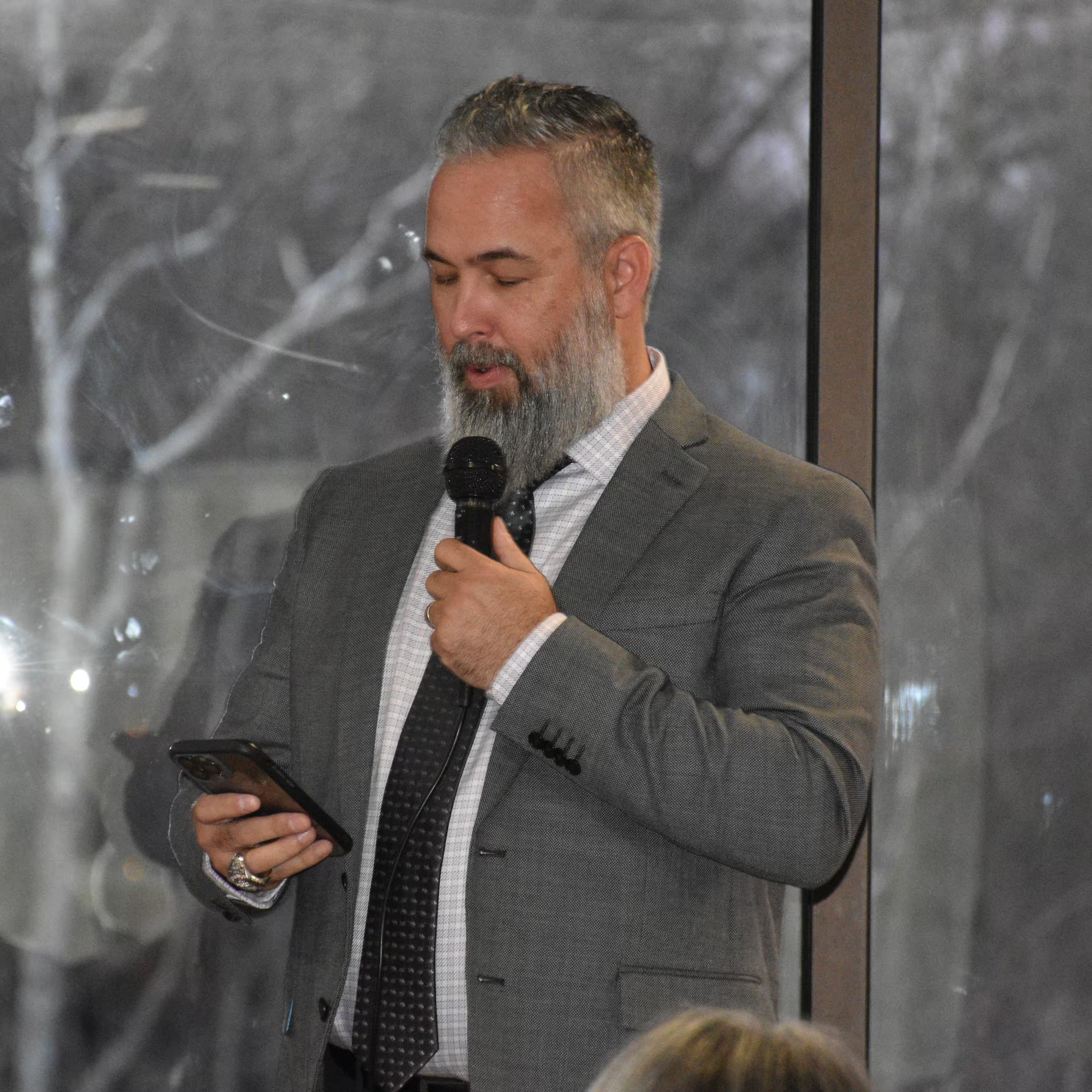 On Saturday night, Cincinnati Hills Christian Academy (CHCA) celebrated a momentous occasion as Joseph Lucas, a fixture at the high school for 19 years as Head Athletic Trainer, was inducted into the school’s prestigious “Hall of Excellence.” The recognition dinner and ceremony brought together alumni, staff, and current students to honor Joe’s remarkable contributions to the school’s athletic community.
Joe’s unassuming nature shone through as he shared about the moment he learned of his induction, “It was weird because I operated so many years with the attitude of ‘just pay no attention to the man behind the curtain.'” Despite his discomfort with the spotlight, he graciously acknowledged the recognition, expressing his gratitude.
Joe’s journey at CHCA started after completing his undergraduate studies, taking a detour through an internship with the Cincinnati Bengals and graduate school at Auburn University. His arrival at CHCA wasn’t a predetermined path but a serendipitous opportunity.
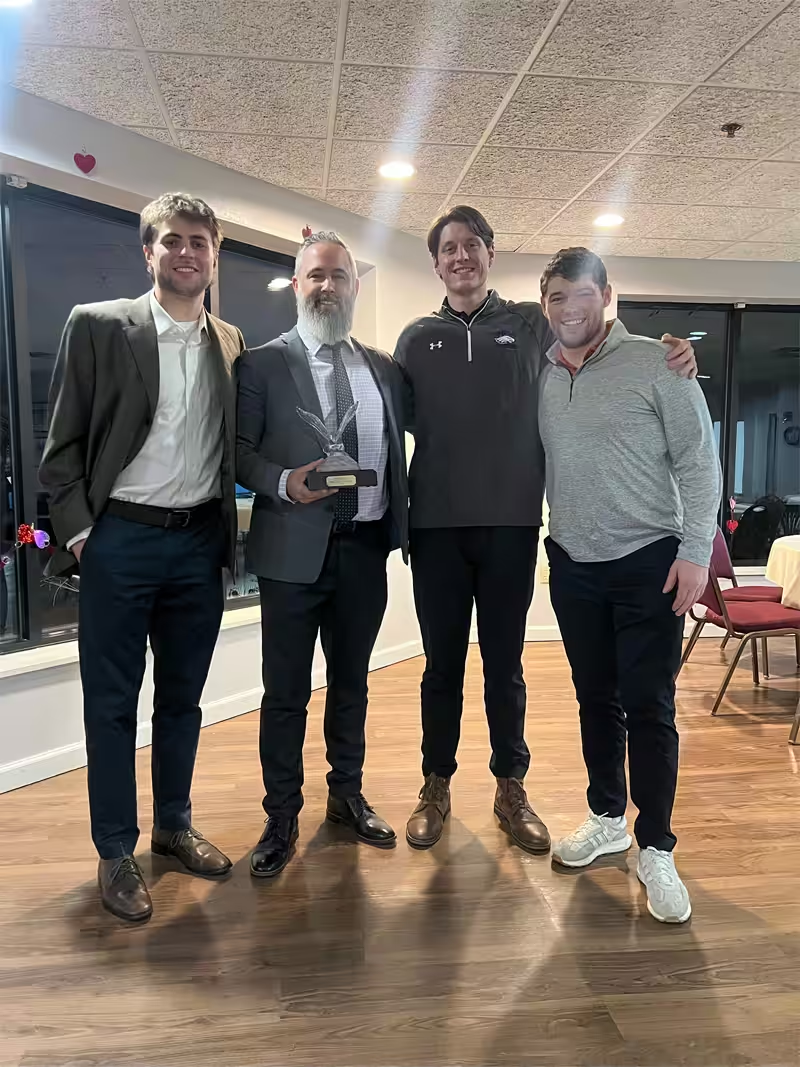 “My mind’s thought was that I’d go back to professional sports or work in a college setting. But after being there for a couple of years, I realized… you are where God puts you for a reason,” stated Joe. His dedication to CHCA transcended a mere commitment, evolving into a profound calling and deep connection to the school’s community.
He went beyond the conventional duties of an athletic trainer, embodying a versatile presence by taking on roles akin to a de facto guidance counselor and mentor. Going beyond mere physical well-being, his commitment extended into the personal and mental facets of students’ lives. Stressing the significance of mental aspects in rehabilitation, he articulated, “Injuries are 90% mental, 10% physical.”
Joe’s collaboration with Dr. Peter Cha, CHCA’s Medical Director and Physician at Beacon Orthopaedics & Sports Medicine, was a vital aspect of his journey. The unique partnership between them ensured a seamless understanding of their respective approaches, streamlining the rehabilitation process for student-athletes. This effective cooperation underscored their commitment to providing outstanding healthcare for students, their families, and the entire CHCA community. It also helped bring Joe to Beacon as a full-time athletic trainer more than a year ago. His newest role will allow him to help shape the culture of athletic trainers in the region as he builds up the next generation.
“Joe understands the significance of doing the right things for the right reasons and acting with integrity,” shared Mike Slemons, the Director of Sports Medicine Outreach at Beacon. “His departure from CHCA is not an end but a transition to new opportunities. His impact will undoubtedly resonate, leaving an indelible mark on the school’s athletic program.”
The induction of Joe into CHCA’s “Hall of Excellence” is a testament to his unwavering commitment, multifaceted contributions, and profound impact on the lives of countless student-athletes. As CHCA continues to evolve, Joe’s legacy will remain embedded in the fabric of the school’s athletic community.
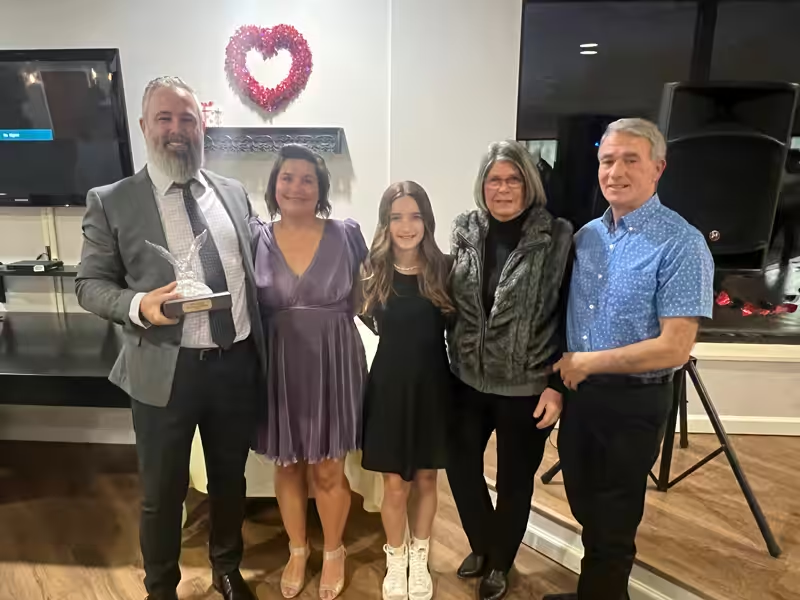
At Beacon All Docs Are Top Docs!
January 31, 2024
We are thrilled to announce that Beacon Orthopaedics & Sports Medicine remains at the forefront of excellence in orthopedic care. All 60 of our physicians have been recognized in Cincinnati Magazine’s Top Docs List of 2024. This prestigious acknowledgment reflects the trust and confidence of our peers in the medical community, who have identified our physicians as leaders in providing exceptional healthcare.
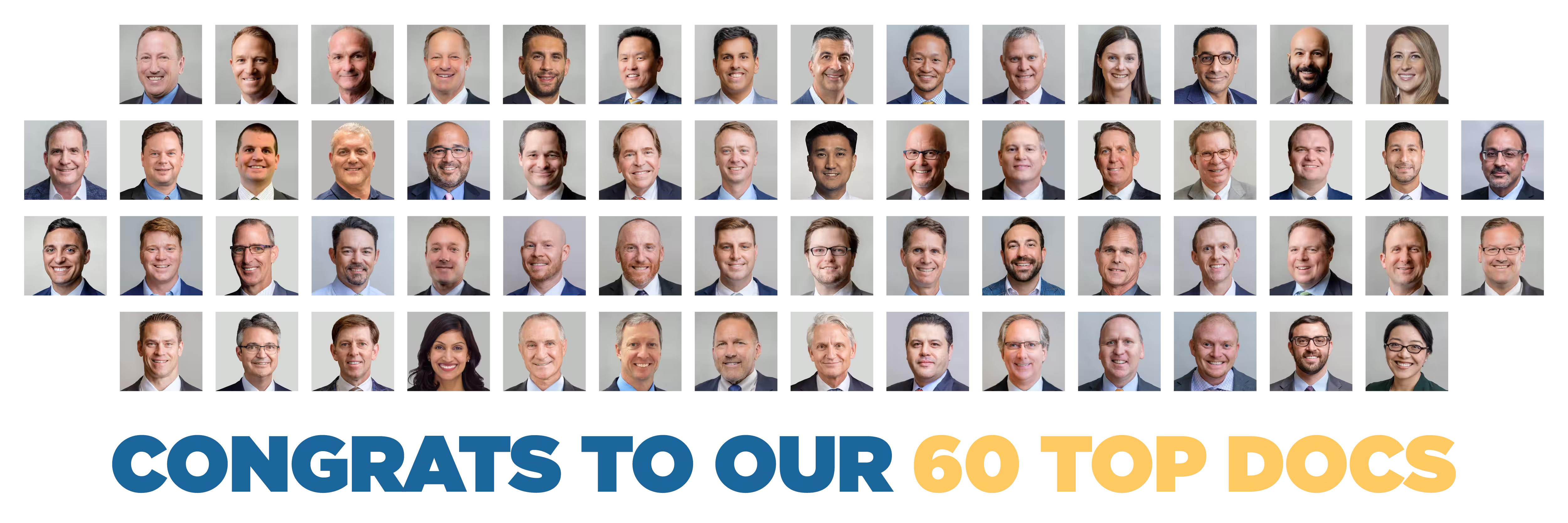
This recognition not only reflects the individual achievements of our doctors but also highlights Beacon Orthopaedics & Sports Medicine as a leading institution for orthopedic excellence in the Cincinnati region.
To learn more about each physician, including their orthopedic specialty and personal profile, click on the link below and discover why their peers consider them TOP DOCS!
Beacon Celebrates the Homecoming of Reds Pitcher Brent Suter
January 19, 2024
Beacon Orthopaedics & Sports Medicine and Dr. Tim Kremchek, extends a warm welcome to the newly-signed Cincinnati Reds pitcher Brent Suter.
Six years ago, Dr. Kremchek played a pivotal role in Brent Suter’s journey by successfully performing Tommy John elbow surgery. Hailing from Anderson Township and a graduate of Moeller High School, Suter has accumulated an impressive eight-year career, with stints with the Milwaukee Brewers and the Colorado Rockies. Notably, Suter’s baseball prowess began at Harvard, where he played college baseball.
Expressing his excitement about Suter’s recent signing with the Reds, Dr. Kremchek, who served as the Reds’ medical director for 27 years and continues to consult on medical matters with the team, commends Suter’s toughness and unwavering determination.
“Brent is an impressive young man who is extremely smart and incredibly driven. He worked hard to get to the big leagues, and he worked hard to get back after his surgery. I am happy I was able to give him the hope and the help to continue on with his career.” -Dr. Tim Kremchek
Last year, Dr. Kremchek and Suter received well-deserved recognition when they were both enshrined into the Gerry Faust Moeller High School Hall of Fame.
Reflecting on the impact of Dr. Kremchek on his career, Suter expressed his gratitude last summer when the Brewers were in town to play the Reds.
“One of the reasons I’m still pitching in the majors is because of Doc. I’m so grateful to him, and for us to be put into the Moeller Hall of Fame at the same time makes it even more special.” -Bret Suter
Suter, a 2008 Moeller graduate, shares a special connection with Dr. Kremchek, who follows in the footsteps of his late father, Dr. Edward Kremchek. A sports medicine pioneer, Dr. Edward Kremchek served as Moeller’s team physician from 1968 until his passing in 1995. The father-son duo is now honored members of the Moeller Hall of Fame.
“Fortunately, I never had a serious injury in high school,” Suter said. “But when I was injured in 2018, I knew Doc Kremchek was who I had to see for a second opinion and then ultimately for my elbow surgery.”
Dr. Kremchek’s expertise in Tommy John surgery has earned him recognition as one of the Top 10 Super Surgeons by Bleacher Report. In addition to Suter, he has successfully performed Tommy John surgery on several professional pitchers, including Mike Clevinger, Alexis Diaz, and Joe Mantiply.
Reflecting on his role as a surgeon, Dr. Kremchek expresses pride in witnessing athletes like Brent Suter excel. “As a surgeon, my goal is to allow these athletes – professional, college, and high school players – to live their lives pain-free and to continue playing and fulfilling their dreams.”
Record-Setting Cross Country Runner Bentley Thomas
January 2, 2024

Ursuline Academy senior Bentley Thomas has been chasing a dream for years. And earlier this fall, she reached one of them by becoming District Champion. “It’s quite an accomplishment and the entire Ursuline family is very proud of her,” shared Colleen O’Brien, Ursuline Athletic Director.
Another of her dreams was achieved at the Nike Midwest Regional XC meet when Bentley broke the school record with a blazing 17:42.5 time.
As many in our community know, Beacon Orthopaedics & Sports Medicine plays a role with more than 40 local high schools’ athletic programs. In this instance, Becky White is one of Beacon’s certified athletic trainers who proudly serves at Ursuline Academy. Keeping athletes like Bentley healthy and competing is the goal. And caring for anyone who gets injured is part of the responsibility.
In this instance, Bentley has worked hard to stay a healthy competitor. “Bentley didn’t get to this point in her athletic career without hard work, dedication, and amazing support from her coaches, teammates and family,” O’Brien said. “She is a great example for all student-athletes.”
Bentley has committed to run cross country at Northwestern University next fall. Go Bentley!
Mason Marching Band to Perform in Rose Parade
December 31, 2023
The Mason High School Band recently departed for a cross-country trip to play in the 2024 Rose Parade and Beacon Orthopaedics & Sports Medicine will be part of the journey.
Through its establis hed and growing relationship with the Mason City School District, Beacon is a primary sponsor of the Mason Band’s trip to Southern California, the New Year’s Day Rose Parade site.
“The support we have received from Beacon has been incredible,” said Mason Marching Band Director Jason Sleppy. “Their support has gone into our financial assistance fund, which benefits students in need who can’t afford this trip. So basically, there are Mason students who would not be able to go and march in the parade without Beacon’s support.”
Two of Beacon’s physicians with close connections to the Mason schools helped make the band sponsorship a reality.
Both residents of Mason, Ian Rodway, M.D., is a graduate of Mason High School and, his son is a section leader in the marching band and Andrew Razzano, D.O. serves as the school’s medical director.
“When I went to Dr. Rodway and asked about Beacon being a key sponsor, he and his colleagues stepped up in a big way,” said Scott Cook, a member of the Mason Band Boosters who raises funds for the trip. “Their support will help ensure that none of our kids will be left behind.”
 This will mark the second time the Mason Band has marched in the Rose Parade, with the first being in 2016. “This is obviously a big year for the band,” Dr. Rodway said. “Dr. Razzano and I, along with Beacon, wanted to support the band as major sponsors. The Mason Marching Band is competing to be one of the top bands in the country. We are honored to be part of this great opportunity for the band, the school, and the community.”
Beacon and the Mason schools share deep ties through a relationship that improves access to quality care for the entire community.
“This is a huge opportunity for the Mason band and the school, and I’m thrilled that Beacon is a part of it,” Dr. Razzano said. “It is truly another great example of how Beacon partners with the communities, school and patients we serve.”
In early November, Beacon opened a new clinic on the Mason High School campus located at 4859 Nixon Park Drive. The Mason Stadium Complex is the region’s first on-campus sports medicine and physical therapy facility. It is open to the public and offers on-site imaging services (x-ray) and a procedure room. Same-day, next-day, and priority care walk-in appointments are available.
5 Ways to Prevent Injuries During Winter Sports
December 17, 2023
As winter sports kick into full gear, here are 5 ways to prevent injuries.
It’s already December, and as 2024 is winding down, winter sports are in full swing. As our high school athletes look forward to returning to a regular schedule, we are here to help them think about avoiding injuries beyond pre-season play.
The three most popular winter sports are basketball, swimming, and wrestling, so we’ve identified the most common injuries in each and the training exercises that can keep athletes healthy through the season.
Basketball
- ACL tears
- Achilles’ tendonitis
- Ankle sprains
- Finger injuries
- Knee tendonitis
Swimming
- Swimmer’s shoulder
- Swimmer’s knee
- Neck injuries
- Lower back pain
- Swimmer’s ear
Wrestling
- Concussions
- Strains and sprains:
- Ankle
- Knee
- Trunk
- Neck
5 Winter Sports Training Suggestions for Injury Prevention
1. Are you up in the gym just working on your fitness? Maintain a regular exercise routine that incorporates flexibility training, strength training, and aerobic exercise — in the pre-, regular, and post-season.
2. Don’t get thirsty. No matter your definition of “thirsty,” avoid it. For the purpose of this article, we’re talking about hydration. When you get dehydrated while being super active, the body struggles to stay cool. According to the National Collegiate Athletic Association (NCAA), players should:
- Drink 16 ounces of fluid 2-3 hours before play and 8 more ounces 15 minutes before practicing or playing a game.
- Take breaks while playing (around every 15-20 minutes) to take in approximately 4 ounces of fluid
- Drink 16-20 ounces of fluid for every pound lost after playing
3. Get warm. A warm-up is a critical part of getting the body ready to play. You’ll play better, but even more importantly, it helps avoid injuries. Start with jumping jacks and running/walking in place for 2-5 minutes. Then move into stretching, holding each stretch for at least 30 seconds.
4. What equipment are you working with? From shoes to mouth guards and more, players need the right equipment for their sport to keep their bodies protected. Players need appropriate shoes with a snug fit, mouthguards to protect teeth and heads from injury, and safety glasses to protect those who wear eyeglasses.
5. Don’t be extra. Overuse injuries are increasing in prevalence, even with our youngest of athletes. Kids don’t always pay attention as they should to their bodies, so adults should check in with them regularly and keep an eye on them to see if they’re showing signs of discomfort or pain.
Beacon is Here for You
The priority of Beacon’s physicians and athletic trainers is to keep young athletes playing the sport they love. If they need a break to recuperate an injury, we’ll do our best to get them back to their sport as quickly as the healing process will allow. If there’s something we can help check out, schedule an appointment today.
Concussion Discussion with Dr. John Brannan
December 15, 2023
 Are Sports Concussions Happening More Frequently?

Concussions are not a new phenomenon. People have been injuring their brains through contact as long as we’ve been making contact.
We are more aware of them recently. What changed was when the NFL concussion protocol became public. The truth is the evaluation and diagnosis of possible concussions was happening long before then. It just took the Head, Neck and Spine Committee of the National Football League’s televised “sideline concussion protocol” to allow the viewing audience to become more aware of this injury.
Even though the spotlight is shining on this brain injury – and its logical link to football, it is essential to realize that each situation is different. And you do not have to wear shoulder pads and a helmet to pay attention. Concussions happen after car accidents, other sports, falls and many subtle ways. Some common symptoms may be:
- Headache/a feeling of pressure in the head
- Confusion or feeling as if in a mental “fog”
- Dizziness or balance issues
- Ringing in the ears
- Nausea
- Vomiting
- Dazed or stunned appearance
- Slurred speech
- Delayed response to simple questions
What exactly is a concussion?
A concussion is an immediate change in mental status due to head and neck trauma. There must be an event that causes that change. “It might be a ‘stretching’ of the outside nerve coating, rendering it damaged”, said Dr. John Brannan from Beacon Orthopaedics & Sports Medicine. “It’s actually a biochemical response to a head injury.”
How is a Concussion Diagnosed?
“There is currently no scan to determine if someone has a concussion”, said Dr. Brannan. “The injured person should be assessed to see if mental ability is being affected.” So, athlete or not, if you experience any of these symptoms after injuring your head or neck, you should seek medical evaluation immediately.
How is a Concussion Treated?
Once diagnosed as a concussion, rest is the first step toward full recovery. Then, the patient should work with their care team to determine a plan that will work for all. That will undoubtedly include a stepped return to activity (with evaluation at every step).
Can Concussions be Prevented for Football Players?
There are identified behaviors and techniques that can help. The remaining concern is that those techniques and behaviors must be taught much sooner – when children are just learning to play a sport. One example is not “spearing” with the helmet. Rules are being changed to protect players and kids are being taught to play the game differently. However, it will take years until these efforts reap full safety benefits.
When is the Patient Fully Recovered?
Dr. Brannan shared that a patient must be 100% symptom-free at FULL exertion to be considered fully recovered. Evaluating and tracking the patient every few days until they do not experience any symptoms during exertion (e.g. 20 minutes on a treadmill, light jogging for 40 minutes, cutting and sprinting) provides the information needed to determine if full recovery has occurred.
If you have questions or concerns, our expert doctors can help. Schedule an appointment online anytime.
It’s Complicated: Why a Delayed Diagnosis Can Turn Into Chronic Problems
November 29, 2023
Life can throw us curveballs, and so can our health. Have you ever heard the saying, “an ounce of prevention is worth a pound of cure?” Well, in the world of orthopedic injuries, this couldn’t be truer. The speed at which an orthopedic condition is diagnosed can make all the difference between a manageable setback and a chronic ordeal. As a potential patient, it’s essential to be in control of your health journey.
Take a look into why a delayed diagnosis can transform common orthopedic injuries into chronic challenges and why you should take charge of your orthopedic health.
The Domino Effect: Joint Injuries
Think of your musculoskeletal system like a row of dominos. When one falls, it sets off a chain reaction. A delayed diagnosis is like that first domino – it sets the stage for more problems down the line. For instance, a seemingly minor joint injury, like a sprained ankle or a torn ligament, if not diagnosed and treated promptly, can lead to long-term joint instability and chronic pain.
The Quiet Culprits: Stress Fractures
Some orthopedic issues are sneaky. They don’t always present with glaring symptoms, making them challenging to detect early. Stress fractures are a prime example. These tiny cracks in your bones may start as mild discomfort but can become full-blown fractures if not diagnosed in time. Delayed diagnosis can lead to prolonged healing times and, in some cases, permanent damage.
Missed Opportunities: Spinal Conditions
Your spine is the central pillar of your body. Conditions like herniated discs or spinal stenosis can masquerade as routine back pain. However, not getting a timely diagnosis can allow these issues to worsen, potentially leading to chronic pain, nerve damage, and even disability.
Stress & Anxiety: Carpal Tunnel Syndrome
Waiting for an orthopedic diagnosis can be mentally taxing. The stress and anxiety of not knowing what’s causing your discomfort can take a toll on your overall well-being. These emotional burdens can exacerbate physical symptoms, contributing to chronic conditions like carpal tunnel syndrome, which can lead to nerve damage.
The Cost Factor: Fractures
Orthopedic care isn’t just about your physical well-being; it’s also about your financial health. An overdue fracture diagnosis, whether in your arms, legs, or elsewhere, can lead to more extensive treatments and longer recovery times. This translates to higher medical bills and potential loss of income due to prolonged disability.
Don’t Delay, Get a Diagnosis Today
Orthopedic injuries can be complex, and sometimes, it takes time to piece together the puzzle. However, as a potential patient, you have the power to be proactive. Advocate for yourself, seek second opinions, and ask questions. Timely diagnosis can be your best ally in maintaining good orthopedic health and preventing manageable issues from becoming lifelong battles.
Remember, it’s your musculoskeletal health, your life, and your story. Let’s make sure it’s a tale of resilience and triumph rather than one of missed opportunities and chronic struggles. Stay informed, stay engaged, and stay healthy! Schedule an appointment online with us anytime.
Beacon Joins Community to Celebrate Kings High School Girls Volleyball State Championship
November 16, 2023
Last weekend, Kings High School won the Division I Ohio state girls volleyball championship.
By defeating Lewis Center Olentangy in the finals at Wright State’s Nutter Center in Dayton, the Kings Knights had won twenty-five matches straight to conclude an amazing season with a 28-1 record. This victory marked the first Ohio state volleyball championship a Cincinnati public school team has won since 1994.

Photo Credit/Permission: @kingsathletics on Twitter/X
Beacon Orthopaedics & Sports Medicine is proud to play even a small role in this amazing accomplishment. Beacon serves as a partner to the school’s athletic department by providing the Kings High School medical director Dr. Timothy Kremchek and head athletic trainer Mike Olds.
Beyond his job, Mike Olds has a very personal connection to the school as well. He is a Kings HS alumnus, and while a student, he played football for his father, who was the Knights’ head coach (now retired).

During his high school playing days, Mike injured his shoulder and was treated by the team’s athletic trainer, a physical trainer and a surgeon – all from Beacon. In his words, “Kings was a ‘Beacon school’ even then. The Beacon team helped me experience what it takes to recover after an injury and surgery,” he said. “I saw firsthand how an athletic trainer, physical therapists and a surgeon – all from Beacon – can build rapport and a relationship with an athlete. Whenever I saw any one of them, they asked about my shoulder. They knew me.”
That experience led Mike to ask those same Beacon professionals how to pursue a career in athletic training. Those relationships not only helped him recover but also led him to his life’s work back at his alma mater. He wanted to serve on the “team behind the team.”
“I love being a part of the Kings’ family,” Olds said. “Not only is this a successful group of athletes who’ve won a championship, but they are all great individuals who’re dedicated and have worked hard together which is a wonderful testament to the entire Kings community.” This was evidenced by how many of the community members showed up in force to cheer them on, even though the state tournament was an hour away.
The six seniors on the team have played together for more than a decade. They are friends with each other. Their community surrounded and supported them. These athletes are mature, kind and they know how to take care of their bodies. No one had to keep “enforcing the care”. They worked out; they stretched; they rehabbed. Whether with Beacon staff or on their own. That’s how to avoid injuries and frankly, how to stay healthy so you can win championships.
After the win, Mike summarized his feelings, saying, “win or lose, the entire Kings community surrounded and supported this team. Win or lose, it’s something I am so proud to be a part of, but I am thrilled that they won!”
Congratulations Kings High School Volleyball Team!
Dr. Adam Abraham: Redefining Orthopedic Care with Compassion and Community
November 15, 2023
In a candid chat with Beacon’s Dr. Adam Abraham, the main topic wasn’t all about medical degrees and clinical routines. It was a heart-to-heart discussion about his vision for healthcare accessibility and an empathetic approach to orthopedic care.

When Visions Align
“As a Cincinnati native, Beacon was always a name that I had in the back of my mind throughout my training and career,” revealed Dr. Abraham right from the start of our conversation.
Now, as a Pain Management Specialist for Beacon, “Beacon” has taken on a much more significant meaning to Dr. Abraham. He considers Beacon’s extensive network, a wide range of specialists, diagnostic services, and physical therapy the perfect match for his vision of how healthcare should be. He believes patients should be able to access the care they need when needed, and Beacon’s capabilities provide precisely that.
“It’s all about accessibility when it comes to medicine. So, in terms of any orthopedic or pain-related issue a patient may be experiencing, somebody at Beacon can help,” said Dr. Abraham. “We have doctors who specialize in everything from knee to hip, spine, and more — offering options from non-operative treatments to the most advanced surgical specialties. And with offices throughout the area, patients can get help based on their schedule and location.”
Dr. Abraham’s approach to patient care is something to admire. He doesn’t just treat patients; he empowers them. His primary focus is on setting goals and helping patients achieve them. For him, reducing pain should be about enabling patients to regain their lives, not chasing a pain-free existence.
“I very much like to meet patients where they are. If they don’t like medications, I don’t like medications. If they feel like they need medication to help, I find something to help,” said Dr. Abraham. “As much as I love doing procedures, I will only do them if I think it’s going to help my patient.”
Dr. Abraham went on to explain, “If somebody has degenerative disc disease or stenosis and it’s not causing problems, then there’s nothing to do about it. We treat patients not pictures.”
Here to Serve the Mason Community
Dr. Abraham works from one simple foundation: treat patients the way you’d treat your family. This compassionate approach is the cornerstone of his practice. Looking ahead for Mason Stadium Complex, he envisions a thriving practice, not just as a center for medical excellence, but as a trusted asset to the community. His goal is to do more than fill clinics; it’s to provide exceptional care and live up to community expectations.
“We’re here to provide a critical service to the community,” said Dr. Abraham. “I will work every day to help ensure we live up to their expectations. That’s what it is all about. We’re here to serve them.”
Dedication to patient-centered care and a commitment to the community are hallmarks of Dr. Abraham’s career. One that also embodies passion, understanding, and the unwavering pursuit of excellence. His vision for the future is a testament to his belief in accessible and compassionate healthcare for all.

Dr. Abraham with his father, spouse and daughter.
A Cincinnati Native All About Family
To truly know Dr. Abraham, you have to know about his roots — and they’re right here in Cincinnati. He attended Princeton for elementary and junior high school and then went to Sycamore High School before completing his undergraduate studies at the University of Cincinnati.
Those formative years revealed to him he had a calling in medicine. That understanding led him to pursue medical school at the University of Toledo, which he followed with a residency at the Cleveland Clinic focusing on Physical Medicine and Rehabilitation (PM&R). From there, it was back to Cincinnati for an internship at Christ Hospital before heading north again for his interventional pain fellowship at DMC Wayne State University in Detroit.
He was carving his own path to discover where his calling would take him. Turns out — it would bring him right back home to Cincinnati.
For Dr. Abraham, success is indelibly tied to the people who matter most to him and the communities he cherishes. For he and his wife, the plan was always to return to Cincinnati if possible.
“Cincinnati was our top priority. It was divine timing how everything just worked out together,” revealed Dr. Abraham. “I didn’t think Beacon and Mason would be a combined possibility. I couldn’t have imagined ending up here in my wildest dreams.”
Is Your Meniscus Torn? How to Tell & What to Do Next
November 6, 2023
Have you been here before? Getting a sharp pain in your knee after a sudden twist of the knee during a pickup basketball game, a misstep on a hiking trail, or even just a simple, awkward movement while getting out of bed. In a split second, you’re left wondering, “Is my meniscus torn?” If you’ve ever found yourself in this situation, you’re not alone. Meniscus tears are a common knee injury, affecting approximately more than a million people in the United States every year, and understanding how to identify one and what to do next can make a world of difference to your recovery.
Let’s start with the basics. The meniscus is a wedge-shaped piece of cartilage in your knee that acts as a cushion and stabilizer. You have two menisci in each knee, one on the inside (medial) and one on the outside (lateral). These little shock absorbers are essential for smooth knee joint function. However, they are susceptible to injury, especially in physically active individuals.
Signs of a Torn Meniscus
Identifying a torn meniscus can be tricky because the symptoms can vary depending on the severity of the tear and its location. Here are some common signs that may indicate you have a torn meniscus:
- Pain: This is usually the first and most noticeable symptom. You may experience it along the joint line of your knee, particularly when bending or twisting it.
- Swelling: Another common bodily response to knee injuries is swelling. If you notice your knee is swollen and it doesn’t seem to improve after a day or two of rest, it could be a sign of a meniscus tear.
- Limited range of motion: A torn meniscus can limit your ability to fully straighten or bend your knee. The knee may feel like it’s getting “stuck” or locking in place.
- Clicking or popping sensation: Some people report hearing or feeling a clicking or popping sensation when they move their knee. This can be a sign of a tear as well.
- Instability: Your knee might feel unstable or give way when you put weight on it. This can happen if the torn meniscus interferes with the stability of the joint.
What to Do Next
If you suspect you have a torn meniscus, it’s essential to take the right steps to ensure a proper diagnosis and treatment plan. Here’s what you should do next:
- Rest and ice: Give your knee some rest and apply ice to reduce swelling. Over-the-counter pain relievers can also help with pain and inflammation.
- Consult a healthcare professional: Schedule an appointment with a healthcare professional, like our team at Beacon, to get an evaluation that could include imaging tests to confirm a diagnosis.
- Physical therapy: Depending on the severity of your meniscus tear, your orthopedic specialist might recommend physical therapy. Physical therapists can help you regain strength and range of motion in your knee through targeted exercises.
- Consider surgery: In some cases, surgery is necessary, especially if the tear is large or causing persistent symptoms. Arthroscopic surgery is a minimally invasive procedure commonly used to repair or trim damaged meniscus tissue.
- Rehabilitation: After surgery or as part of your non-surgical treatment plan, you’ll likely undergo rehabilitation. This involves a structured program of exercises and activities to help regain full knee functionality.
Preventing Meniscus Tears
While accidents happen, there are steps you can take to reduce your risk of meniscus tears. Strengthening the muscles around your knee, maintaining a healthy body weight, and using proper technique during physical activities can all help protect knees from injury.
When Unavoidable Happens, Call in the Pros
If you suspect you have a torn meniscus, don’t ignore it. Seeking early diagnosis and appropriate treatment is crucial for a smooth recovery. Remember that every case is unique, so what works for one person may not be the best option for another. Trust your knee specialist’s guidance, and with time, patience, and dedication to your recovery, you can get back to the activities you love without the worry of a torn meniscus holding you back.
If you’re suffering from knee pain, schedule an appointment online with any of our knee specialists anytime.
Beacon Teams With Mason Schools, Improving Community With Revolutionary One of a Kind On-Site Through Access To Premier Quality Care
October 24, 2023
Partnership Will Also Help Marching Band Participate in 2024 Rose Parade
MASON – Beacon Orthopaedics & Sports Medicine and the Mason City School District have teamed up to dramatically improve access to quality care while deepening support for the entire Mason community.
Beacon has now opened a one-of-a-kind clinic on the campus of Mason High School. Located at 4859 Nixon Park Drive, the clinic has on-site imaging services (x-ray) and procedure rooms. Same-day, next-day, and urgent care walk-in appointments are also available.
The innovative clinic is available to not only Mason athletes and students, but also open to the general public and overall community.
Two Beacon physicians also have close connections to the Mason schools. Dr. Andrew Razzano, DO, serves as the school’s medical director. Dr. Ian Rodway, MD, is a graduate of Mason High School and his son is a section leader in the marching band. Both physicians live in Mason and will see and treat patients at the new clinic.
“There will be nothing like this clinic in the country,” Dr. Razzano said. “I’ve taken care of Mason school athletes for the last five years. I also chose to live in Mason, and I believe in serving the community where you live. The clinic is a huge opportunity to increase and improve the care of the entire community.”
The on-campus facility at Mason High School – which has the largest enrollment of any public high school in Ohio – will include an orthopaedic surgeon’s office with on-site physical therapy services. A strength and conditioning coach and three athletic trainers will also be on site to care for the school’s teams and athletes.
“Having Dr. Razzano, Dr. Rodway and all that Beacon has to offer right here and fully accessible to our teams and athletes will make us an elite campus,” said Mason High School Varsity Football Coach Brian Castner. “We’ve never had alignment with a medical provider like this before. This is a boost to our entire athletic program.”
“We have big dreams in Mason City Schools for being a beacon of wellness for our students and their families,” added Mason City Schools Superintendent Dr. Jonathan Cooper. “Our powerful partnership with Beacon/TriHealth is a critical step in our long-term plan to be the community where the healthiest, happiest kids in the country live, learn, and play.”
Beacon is also a primary sponsor of the Mason Band’s planned trip to the 2024 Rose Bowl Parade, which is held on New Year’s Day in Southern California.
“The Rose Parade is one of the most prestigious events for a marching band to perform in, and we are incredibly excited for this once-in-a-lifetime opportunity for our students,” the Mason Band says on its website.
“This is obviously a big year for the band,” Dr. Rodway said. “Dr. Razzano and I, along with Beacon, wanted to support the band as major sponsors. The Mason Marching Band is competing to be one of the top bands in the country. We are honored to be part of this great opportunity for the band, the school and the community.”
Beacon’s logo will be featured on the hree semi trucks that will transport the band’s instruments and equipment on the cross country trip, as well as on the jackets band members wear.
“Going to the Rose Bowl parade is an amazing trip for our band, and it’s expensive,” said Scott Cook, a member of the Mason Band Boosters who raises funds for the trip. “We have some kids who can’t afford to pay for the trip. When I went to Dr. Rodway and asked about Beacon being a key sponsor, he and his colleagues stepped up in a big way. Their support will help ensure that none of our kids will be left behind.”
Beacon Physicians Reflect on Relationship with Reds’ Joey Votto
October 20, 2023
Cincinnati Reds’ fans await word on Joey Votto’s future with the team. The 16-year veteran, who has spent his entire career with the Reds, is beloved but may have played his last game with the team.
Beacon Orthopaedic & Sports Medicine physicians Tim Kremchek, M.D., and Andrew Razzano, D.O, have come to know Votto very well while serving as the Reds team physicians.
Dr. Kremchek, who served 27 years as the Reds medical director and now consults with the team on medical issues, has treated Votto throughout this career, including performing surgery on the first basemen’s shoulder last season.
When Votto returned this season from the injury, he thanked Dr. Kremchek and Dr. Razzano in a moving social media post.
“We’ve become very good friends and I have tremendous admiration for (Joey),” Dr. Kremchek said.” He has an incredible work ethic. He works harder at his craft than anyone I have ever seen. I’ve never met a greater student of the game. He understands his job and what he must do, and he also knows what his limitations are. That’s why he is such a great ballplayer.”
Votto’s dedication to the game is noticed by younger players.
“Guys copy him,” Dr. Kremchek said. “They watch his work ethic and learn how to be better. He helps the whole team with his attitude and dedication.”
Dr. Kremchek would love to see Votto play another season with the Reds or stay with the team in some capacity.
“He loves the city, and the city loves him,” Dr. Kremchek said. “He’s great for the whole Reds’ organization. I hope he sticks around.”
Dr. Razzano, who took over this season as Reds team physician, described Votto as a total professional and a major clubhouse presence who leads by example.
“Joey Votto is such a professional from top to bottom,” Dr. Razzano said. “He has been around the game for such a long time and really knows how to treat people. He is just great to work with.
“He is extremely respectful of our process and of the medical staff and trainers who are there to help him and work with him,” Dr. Razzano said. “He listens to us and wants us to be included as part of the team. It’s not uncommon for him to sit down in the training room with us, watch a game on TV and talk not just about baseball, but ask about our families, our vacations, stuff like that. He’s a down to earth guy.”
Dr. Razzano said along with being an outstanding baseball player Votto is a mentor and leader, especially to the many rookies that made their major league debuts this season.
“There are so many young guys in the clubhouse this year, and Joey showed them how to be a professional,” Dr. Razzano said. “He showed them how to take care of their bodies. He taught them the business of baseball, including how to deal with the media, how to handle injuries, and what to know about contracts.”
“It has been a privilege to work with a future Hall of Famer,” Dr. Razzano said.
Unlocked! The Mystery Cause of Frozen Shoulder and Treatment Options
October 2, 2023
If you’ve ever experienced the excruciating pain and limited range of motion associated with a frozen shoulder, you know just how debilitating this condition can be. For years, the cause of frozen shoulder, also known as adhesive capsulitis, has puzzled medical experts despite its prevalence. However, recent research has shed light on the mystery cause of frozen shoulder, offering hope for more effective treatment options.
Frozen shoulder is characterized by stiffness, pain, and reduced mobility in the shoulder joint. It typically develops gradually and can be categorized into three distinct stages: freezing, frozen, and thawing. During the freezing stage, pain intensifies, and shoulder movement becomes increasingly limited. The frozen stage is marked by a decrease in pain, but the stiffness remains. Finally, during the thawing stage, the range of motion gradually returns.
Historically, frozen shoulder was thought to be caused by inflammation or scar tissue formation within the joint capsule, which encases the shoulder joint. While this theory explained some aspects of the condition, it failed to provide a comprehensive understanding of the underlying causes. However, recent studies have shifted the focus toward the nervous system’s role in the development of frozen shoulder.
Researchers have discovered a link between frozen shoulder and the central nervous system’s response to injury or trauma. It appears that certain individuals may be predisposed to an exaggerated inflammatory response triggered by an initial injury, such as a minor strain or even prolonged immobilization. This heightened immune response can lead to a cascade of events that result in the characteristic pain, stiffness, and loss of mobility associated with frozen shoulder.
Traditional and Emerging Treatment Options for Frozen Shoulder
This newfound understanding of the nervous system’s involvement in frozen shoulder has paved the way for more targeted and effective treatment options. Traditional approaches, such as physical therapy and anti-inflammatory medications, continue to play a role in managing the condition. However, emerging therapies that address the nervous system’s contribution are showing promising results.
One such treatment option is neurogenic inflammation modulation. This approach aims to regulate the exaggerated immune response within the nervous system that contributes to frozen shoulder. By using specialized techniques and interventions, healthcare providers can help reset the nervous system’s inflammatory signals, leading to reduced pain and improved mobility. Early studies suggest that this approach holds great potential in providing relief to individuals suffering from frozen shoulder.
Additionally, regenerative medicine techniques, such as platelet-rich plasma (PRP) therapy and stem cell injections, are being explored as innovative solutions for frozen shoulder. These therapies work by harnessing the body’s natural healing mechanisms to repair damaged tissues and promote tissue regeneration. By targeting the root causes of frozen shoulder at a cellular level, regenerative medicine may offer long-lasting and transformative results for patients.
As research into the mystery cause of frozen shoulder continues, it’s becoming increasingly clear that a holistic approach to treatment is essential. Combining traditional physical therapy with emerging therapies that address the nervous system’s role and regenerative medicine techniques can provide a comprehensive solution for managing and even reversing frozen shoulder.
If You’re Suffering from Frozen Shoulder, Seek Expert Orthopedic Help
Recent advancements in research have shed light on the underlying mechanisms that contribute to the pain and limited mobility that come with frozen shoulder. With this newfound understanding, we can even better help our patients suffering from this condition recover from it. If you’re looking for relief from frozen shoulder, it’s time to see one of our shoulder experts. Schedule an appointment online today.
5 Common Soccer & Football Injuries: How to Avoid Them and What to Do if You Don’t
September 27, 2023
5 Common Soccer & Football Injuries: How to Avoid Them and What to Do if You Don’t
Football and soccer. Depending on what part of the world you are these two different sports may share the same name. That isn’t all they share. Both sports demand power, speed, and skill from players — not to mention their passionate fans. The similarities don’t stop there. They also have commonalities between their risk and types of injuries.
This article explores some of the most frequent soccer and football injuries along with tips on how to dodge them and stay in the game.
- Ankle Sprains: Twisted ankles are a major reason many athletes find themselves limping off the field. To outmaneuver this sneaky injury, gear up with top-notch cleats that offer ankle support. Always remember to stretch and strengthen those ankles regularly.
- ACL Tears: Let’s face it, tearing the ACL is a nightmare for any player. Needing to run, juke, and jump without concern, doesn’t jibe with knee injuries. The secret weapon to protecting knees is targeting them on leg day in the weight room. Strengthening muscles around the knee is the first line of defense against ACL tears.
- Concussions: There’s been a big focus on head injuries in sports recently and for good reason. Every athlete, especially young athletes, should take extra care in avoiding concussions. Neck strengthening is key. Crush it on the football field with proper tackles and hits. If a hit happens, don’t tough it out. Take a break and get checked out. The same goes for soccer.
- Hamstring Strains: Nothing slows down an athlete more out of nowhere than a hamstring strain. Keep your game on fire by dedicating stretches and warm-ups to keep hammies loose and limber. While a grade 1 tear takes only a few days to heal, a grade 2 or 3 tear can bench a player anywhere from weeks to months; ultimately, taking them out of the season.
- Shoulder Injuries: This one is especially for soccer goalies and football quarterbacks and linemen. These positions can take a toll on shoulders. Like other tips, focusing on strengthening and stretching is a player’s best bet in preventing these kinds of injuries.
When the Unavoidable Happens
Our athletes are warriors, but sometimes even warriors get wounded. The following outlines how to handle an injury like a champ.
Take a Breather
If you suspect an injury, take a timeout and assess the situation. Pushing through pain won’t make anyone a hero; it only sets back athletes.
Master the R.I.C.E. Method
Rest up, ice it, compress, and elevate. It’s your secret recipe for a quicker recovery.
Ace the Rehab
Whether rehab is self-guided, with the advice of an athletic trainer, physical therapist, or an orthopedic physician, do everything to the letter. Skipping steps and pushing themselves too hard, too early, is one of the fastest ways for athletes to find themselves back on the bench.
Call in the Pros
Bring in an orthopedic expert like our sports medicine specialists at Beacon. They’ll work to diagnose the injury and develop a unique plan to get every athlete back to the sport they love as quickly as safely possible.
If you or your athlete is suffering from a recent sport injury, schedule an appointment online with us anytime. Our specialists are here to help all of our athletes continue playing at peak condition.
Get Hip to How Your Golf Swing Could Cause IT Band Syndrome
September 25, 2023
This is one for all of our golfers out there. We know you all love spending time on the green, and driving those balls like there’s no tomorrow. Spoiler: So do many of us at Beacon! But have you ever felt an annoying pain in your knee after a day on the links? That could be your iliotibial band talking, IT band for short, and it’s not happy with your swing.
Picture it: you’re winding up for that killer swing, and your hips go on a wild side-to-side adventure. All of that swaying puts your IT band under major stress. The IT band runs down your outer thigh from the top of your pelvic bone down to your knee, and it can get super tight and angry when you’re not careful with your swing. It’s called IT band syndrome, and it can put a big hitch in your step and your golf game.
How to Help Prevent IT Band Syndrome
Your specialists at Beacon have your back — and hips. We compiled our tips to help keep IT band syndrome at bay to keep you out on the green.
Warm Up and Stretch: Before you start any physical activity, you should warm up and stretch. (If you grew up before everyone was carrying around smartphones, this advice especially includes you.) Warming up doesn’t have to be anything intense for golf. Whatever gets you feeling looser — particularly in your hips, thighs, and glutes — is what you should do. You could simply go for a brisk walk and do some jumping jacks and traditional stretches to limber up.
Rock that Core: A strong core can be a secret weapon in protecting the IT band. Planks, bridges, and twists should all be part of your core-strengthening game. By doing them, you’ll better stabilize your swing and take some of the strain off of your IT band.
Swing with Finesse: Ignore impulses to crush the ball, and focus on swing mechanics. A pro golf instructor can give you the lowdown on proper form to ensure you’re using the right technique.
Listen to Your Body: Even though we all know that pain is our body’s alarm bell, we still make the mistake of ignoring it. Stop that! If you feel something is off, stop and take a breather. Ice the area, rest up, and maybe even talk to the golf pro at your course about what’s going on.
Post-Game Cool Down: After a round of golf, show your muscles some love. Hit up those static stretches and show your hips, thighs, and IT band a nice, relaxing time.
Keep the 19th Hole at the Clubhouse
The bottom line is to treat your hips right, and they’ll treat you right on the golf course. However, if you’re feeling some pain that won’t go away with rest, it may be time to move the 19th hole from the clubhouse to Beacon Orthopaedics. If you’re feeling like you need to trade in your golf pro for an orthopedic pro, you can schedule an appointment online with us anytime. Our specialists are here for you anytime, including our urgent care locations.
For Second Consecutive Year, Beacon Sponsors LPGA Tourney at Kenwood Country Club
September 5, 2023
For the second year in a row, Beacon Orthopaedics & Sports Medicine is proud to be the orthopedic partner of the LPGA Queen City Championship taking place on September 6-10, 2023 at the Kenwood Country Club in Cincinnati.
“Beacon is super excited to be a part of the LPGA tournament and for the chance to offer female high school athletes the opportunity to meet and engage professional athletes,” said Beacon’s Tim Kremchek, MD, a Kenwood Country Club member. “It is a real honor to be a part of this tournament and to give back to student athletes, especially those who play golf.”
This event brings together many of the LPGA tour’s best, playing on a beautiful local course. In addition, young female amateur athletes from across Greater Cincinnati will have a once-in-a-lifetime opportunity to interact with the finest women golfers in the world. “High school students don’t often get the chance to meet, talk to and learn from pro athletes,” Dr. Kremchek continued. “These pro golfers are tremendous role models who can teach the students a great deal about not just golf but also the commitment it takes to join and play on the professional tour and achieve success in life.”
More than 60 million people play golf worldwide. Some statistics show that more than a third of all amateur golfers get injured annually when hitting the links. So, whether you are a scratch golfer or use your “mulligans” early and often, if you rank among those injured, make an appointment to see one of the professionals at Beacon to get back to good health and the game you love.
During the LPGA Queen City Championship, Beacon will have an onsite booth sharing information and giveaways with the more than 50,000 spectators expected to enjoy the event. In addition, our Beacon team will host a Girls High School Clinic on Saturday September 9th from 3:30-4:30 pm.
Beacon’s Dr. Tim Kremchek Featured in theScore
August 17, 2023
Dr. Kremchek ranks sixth all-time in Tommy John surgeries on professional baseball players
Beacon Orthopaedics and Sports Medicine co-founder Tim Kremchek, M.D., a recognized expert in Tommy John elbow surgery, is featured in a recent story written by sports news website theScore.com.
The story – ‘Living in an MRI world’: The art and science of imaging and diagnosis – provides a compelling behind-the-scenes journey through the process Dr. Kremchek and Beacon utilize in performing the Tommy John procedure.
“I was here to understand the art and science of imaging,” reporter Travis Sawchik wrote in the story.
Following is an excerpt of the story:
Kremchek doesn’t look like he’s performing multiple Tommy John surgeries a day, among other procedures, but he is. He tells us he wants athletes to feel comfortable when they enter here; that’s part of the reason for his business-casual appearance when greeting folks.
It’s also why the place doesn’t feel sterile like a typical hospital or doctor’s office. The lobby features vaulted ceilings. Adorning the walls are paintings and photos of Reds greats and some signed jerseys. Kremchek joked that if things ever go south here, he’ll turn the place into a sports bar.
From the lobby, there are corridors to different departments: there’s the wing of operating and recovery rooms; a rehabilitation center; and, of course, a radiology department. Alongside one corridor is an indoor pitching mound.
The facility was designed to diagnose, treat, and rehab Reds players under one roof. Kremchek, who’s served the Reds and their affiliates for 27 years, believes a fully integrated facility is incredibly important.
The story also reports a stunning statistic: Based on Joe Roegele’s Tommy John database, Dr. Kremchek ranks sixth all-time on the number of Tommy John surgeries administered to professional baseball players. By his own count, Dr. Kremchek estimates he has performed nearly 3,000 Tommy John elbow surgeries on professional and amateur athletes.
The all-time leader in Tommy John surgeries happens to be Dr. Kremchek’s mentor, Dr. James Andrews of the Andrews Institute of Orthopaedics & Sports Medicine.
Early in his career, Dr. Kremchek served a one-year Orthopaedic Sports Medicine Fellowship under Dr. Andrews.
“At the time, Jim Andrews was taking sports medicine to a whole new level,” Dr. Kremchek said. “Through mentoring me, Dr. Andrews gave me the vision of what I could be.”
Dr. Kremchek has also been recognized as one of the top baseball surgeons in the nation by Bleacher Report.
Over the last 27 years, Dr. Kremchek has treated and performed surgery on hundreds of professional, collegiate, and high school athletes.
Here are just a few of the professional athletes he has treated over the years:
- Chris Bassitt of the Toronto Blue Jays.
- Former Reds slugger Ken Griffey, Jr.
- Former Reds shortstop Barry Larkin.
- Former Atlanta Braves Pitchers Steve Avery, Mark Wohlers and Denny Neagle.
- Former Reds third baseman Aaron Boone, who of course now manages the Yankees.
- Two members of the Vanderbilt Commodores who played in the 2019 College World Series finals.
- San Diego hurler Mike Clevinger.
- The Nationals’ Daniel Murphy.
- Pitchers Alexis Diaz, Edizon Volquez, Damaso Marte and Michael Pineda.
- Purdue basketball player Mason Gillis, who was treated while in high school.
- Diamondbacks outfielder David Peralta and pitcher Joe Mantiply.
A Pain in the Nerve: Types of Nerve Pain and How Orthopedics Helps
August 3, 2023
Pain getting to your nerves? Literally? Orthopedic treatment can help. Nerve pain is also known as neuropathy. As a common type of chronic pain, it’s caused by damage or dysfunction of the nerves.
Neuropathy might sound like something that happens to other people — especially people who are surely much older than you — but the reality is that it’s a condition that affects millions of people worldwide and affects all ages. Whether you’re experiencing tingling, numbness, or shooting pains in your extremities, neuropathy often interferes with your daily life, causes debilitating pain, and leaves you searching for answers.
There are several types of nerve pain, each with its own unique symptoms and causes, which this article explores.
Autonomic Neuropathy
This type of neuropathy controls involuntary functions of the body. That includes everything from heart rate to blood pressure, sweat, temperature control, and digestion Those who develop this kind of neuropathy sometimes develop an irregular heartbeat or difficulty controlling blood sugar levels. Symptoms include lightheadedness, constipation, dry cracked skin, and impotence.
Cranial Neuropathy
The eyes, ears, face, and scalp are impacted by cranial neuropathy, which can eventually lead to vision problems, loss of hearing, and even difficulty with speech or swallowing. Double vision, hearing loss, and facial weakness are all symptoms of this kind of neuropathy.
Focal Neuropathy
When one specific nerve or area of the body is caused by nerve pain, it’s typically diagnosed as focal neuropathy. Symptoms might include muscle weakness or loss of sensation in the area that’s affected.
Peripheral Neuropathy
The most commonly diagnosed nerve pain is peripheral neuropathy, which affects the nerves in the limbs. It can cause weak muscles, issues with balance and coordination, and that can ultimately result in difficulty walking. Someone experiencing numbness, tingling, and burning sensations in the feet and hands could be suffering from symptoms of peripheral neuropathy.
Proximal Neuropathy
Pain in the nerves closest to the trunk of the body can be caused by proximal neuropathy Pain in the hips and/or shoulders can indicate this kind of neuropathy as well as the following symptoms: weakness in the hips, thighs, and shoulders; difficulty rising from a seated position; and difficulty climbing stairs.
Neuropathy Treatment
Lessening or resolve nerve pain all together is possible. Treatment can include medication, physical therapy, nerve blocks, and nerve stimulation therapies, such as TENS (transcutaneous electrical nerve stimulation) or PNS (peripheral nerve stimulation). In more serious cases, surgery might be required to repair, release, or remove damaged nerves.
Orthopedic Specialists in Cincinnati
Your orthopedic specialist at Beacon will work with you to determine the best care plan for your individual needs to get you back to living the life you love. Schedule an appointment online now.
Traveling Pain-Free: 7 Hacks to Dodge Orthopedic Pain
August 1, 2023
This is one for our wanderlusters! Traveling is exciting, but it can also wreak havoc on your joints and muscles, leaving you feeling like a busted swim floatie. Fear not, though. We have the lowdown on dodging orthopedic pain to help keep your travels Insta-worthy.
1) Flex it Like a Yoga Boss
Before you dive headfirst into your travel plans, warm up your muscles and joints. Get your stretch on with some yoga moves — or whatever version of stretching you feel most comfortable doing. Not only will it improve your flexibility, but it’ll also help prevent those painful “oh no” moments.
2) Travel Light, Keep it Tight
Fight the urge to pack your entire wardrobe. Traveling light means less strain on your back, shoulders, and knees. Pro tip: snag a sleek backpack to distribute the weight evenly, taking the pressure off your spine.
3) Break for Workouts
Long flights or road trips can be a total pain in the, well, neck… and more. Combat that cramped, tight feeling with some in-flight or pit-stop exercises. Break for neck rolls, shoulder shrugs, and leg stretches. Not only will it shake off stiffness, but it’ll also entertain your fellow travelers with your mid-air fitness game.
4) Time to Bounce! Stand Up and Stretch it Out
It’s tempting to sink into your seat and binge-watch your fave shows, but sitting for hours is a total buzzkill for your body. So, rise up like the boss that you are and make sure to get your blood flowing. Whether it’s playing with your kids at the beach or strutting your stuff by the pool.
5) Find Your Pillow of Choice
Sleeping on pillows that aren’t yours can cause neck pain. Avoid that by bringing your own travel pillow. It’ll cradle your neck, keep it aligned, and give you nights of pain-free bliss.
6) Don’t Hate — Hydrate
Dehydration can get dangerous fast. Keep a water bottle handy and hydrate like a vacation pro. Sip, gulp, chug —whatever floats your… hydration! Stay healthy while maintaining that (well-hydrated) vacation glow.
7) Call in the experts when needed
If all else fails, and you end up in pain despite your best efforts, don’t hesitate to hit up the pros. Our Beacon orthopedic specialists are true lifesavers. With their expertise and treatment plans, you’ll be back on your feet and back vacationing before you know it.
Travel is all about making epic memories, so don’t let orthopedic pain rain on your parade. With these seven travel hacks, you can stay pain-free and get the most out of your adventures. Schedule an appointment online anytime.
Is Your Catcher Ok? Common Orthopedic Catching Injuries and How to Avoid Them in 5 Ways
July 28, 2023
We all know catchers play a crucial role on baseball and softball teams. However, this demanding position can put significant strain on the human body, which can lead to orthopedic injuries. From shoulder strains to knee problems, catchers face unique challenges that require proactive measures to ensure long-term health and performance on the field. That’s why we’re sharing essential tips and techniques to help catchers avoid common orthopedic-related injuries.
1. Warm-Up and Stretching
We all know that we need to warm-up before practices and games. It’s even more critical for catchers. They should focus on dynamic movements that engage the entire body, including arm swings, hip rotations, lunges, and torso twists. Adequate warm-up increases blood flow to the muscles to help prepare them for the demands of the game — ultimately, reducing the risk for injuries.
2. Proper Technique
Mastering proper catching technique is essential for minimizing stress on the body. That includes maintaining a balanced stance with knees slightly bent and weight evenly distributed as well as focusing on soft and controlled glove-hand movements to avoid overextension or abrupt motions. Last but not least, positioning the body to minimize the risk of collisions with other players is also key.
3. Strengthening and Conditioning
Developing a comprehensive strength and conditioning program can significantly improve a catcher’s resilience against injuries. It should focus on exercises that target the core, lower body, and upper body strength. Building up the muscles around the shoulders, hips, and knees enhances catchers’ stability while helping them absorb catching and throwing impact. Further incorporating exercises such as squats, lunges, planks, shoulder presses, and resistance band training can help with this, too.
4. Adequate Rest and Recovery
Don’t overlook the importance of rest and recovery in injury prevention. Catchers must listen to their bodies and allow sufficient time for recuperation. Adequate sleep, proper nutrition, and hydration are essential for optimal recovery and injury prevention. Get enough restorative sleep and maintain a well-balanced diet to support the body’s healing process.
5. Protective Gear and Equipment
Investing in high-quality protective gear is vital for catcher safety. A well-fitted helmet, chest protector, shin guards, and supportive footwear can significantly reduce the risk of impact-related injuries. Regularly inspect and replace worn-out equipment. Level up with knee savers. They can be real lifesavers by providing extra cushion and support during long periods of squatting.
When to Call Beacon
Always have your catchers suit up, warm up and gear up, strengthen their bodies, and rest and recover like the champs they’re destined to be. Help them to understand that they can mitigate the risk of potential orthopedic injuries by proactively following the tips outlined in this article and can better maintain their physical well-being throughout their entire baseball and softball careers.
If an injury does happen, don’t waste a minute. Our orthopedic specialist at Beacon are at the ready to help. Our experts have the experience to get athletes back to the sports they love as safely and quickly as the healing process allows. Schedule an appointment online anytime.
Regain Your Independence: The Vital Role of Occupational Therapy in Orthopedic Rehabilitation
July 12, 2023
Orthopedic injuries can drastically impact your daily life, leaving you unable to perform even the simplest tasks. But did you know that occupational therapy can be the key to regaining the independence lost from injuries or chronic conditions?
Occupational therapy is a vital aspect of rehabilitation for orthopedic patients. It’s designed to help you improve your ability to perform daily activities — from job-related tasks to your favorite leisure activities.
How Do Occupational Therapists Help Orthopedic Patients?
A variety of injured or disabled patients work with occupational therapists. They provide many therapeutic techniques to enable their patients to engage in activities they find meaningful. That can mean restoring the ability to interact with your environment by focusing on fine motor coordination and dexterity activities. It could also include integrating adaptive equipment, helping you regain hand and upper extremity strength, or upper extremity splinting for protection, mobilization and functional purposes. Whatever is needed to reclaim your quality of life.
Working with an occupational therapist can help you assess your physical abilities and limitations, develop a treatment plan that includes exercises to improve range of motion, strength, and endurance, and learn new ways to perform tasks and adapt to your environment. By doing so, you can reduce pain, prevent further injury, and regain your independence.
Occupational Therapy Benefits
One of the most significant benefits of occupational therapy for orthopedic patients is the use of adaptive equipment. With the help of an occupational therapist, you can learn how to use equipment such as grab bars, shower chairs, and raised toilet seats to perform tasks safely and independently. Your therapist can also recommend modifications to your home or work environment to make it more accessible and easier to navigate.
That said, occupational therapy isn’t just about regaining independence. It can also help you manage pain and reduce the risk of future injuries. By learning proper body mechanics and techniques for performing tasks, you can reduce stress on your joints and muscles. Your therapist can teach you how to use heat or cold therapy, as well as other pain management techniques, to alleviate discomfort and promote healing.
In short, if you’re an orthopedic patient, occupational therapy can be the key to reclaiming your independence and returning to your normal activities. Don’t hesitate to talk to your healthcare provider about how occupational therapy can help you regain control of your life.
When to Call Beacon
Not all orthopedic pain is created equal. If yours isn’t subsiding, it’s time to see an orthopedic specialist at Beacon. Our expert doctors have the experience to get you back to the life you love. Schedule an appointment online anytime.
Health care execs on a partnership that was “a long time coming”
July 6, 2023
Beacon Orthopaedics & Sports Medicine has partnered with TriHealth for decades, but last year, the organizations came together as part of a “conversation that was a long time coming,” according to Andy Blankemeyer, CEO at Beacon, in this episode of the Getting Health Care Right podcast.
“We are now co-invested in surgery centers across Cincinnati. Our existing surgery centers as well as TriHealth’s existing Evendale Hospital are now all part of a joint venture, and we have combined our physician groups as well,” says Blankemeyer.
“The partnership brings together two unique organizations: (Beacon), the regional leader in orthopedic care, and TriHealth, the region’s largest integrated delivery system,” says Mark Clement, president and CEO of TriHealth. “We recognized the commonality of our visions half a decade ago and went to work on figuring out how we could come together to deliver a higher level of orthopedic care across the full continuum, not just in the ambulatory setting.”
Blankemeyer and Clement share more about the landmark deal with host Jamie Smith, market president and publisher of the Cincinnati Business Courier. Listen to the episode to hear more about:
- Why an integrated approach to patient care is better than the “push-pull” of independent groups and hospital systems.
- Ways outpatient orthopedic care can keep health costs down and save employers money.
- Other partnerships that support TriHealth’s goal of optimizing population health.
- Reactions among area health care payers to the Beacon-TriHealth partnership announcement.
Beat the Heat with These 5 Tips to Make Your Summer Runs Safe and Sizzling
May 30, 2023
With temperatures on the rise, many of us are eager to get outside for a good run. Whether you’re a seasoned runner or just starting out, it’s important to take precautions when hitting the pavement in the heat of spring and summer weather to stay safe and comfortable during your run.
Most importantly, don’t let the heat dampen your enthusiasm. We have helpful tips to make every summer run the sizzle — in the right ways.
#1 Plan your route and time of day carefully
When planning your run, choose a route that is well-shaded and has plenty of water fountains or rest stops. Consider running early in the morning or in the evening when temperatures are cooler.
Try to run on a clear, smooth, and even surface. Avoid running on hills to mitigate stress on the ankle and foot. When running on a running track, reverse directions halfway through your run to allow for even pressure on both of your feet.
Also, be sure to protect yourself from the sun. Wearing sunscreen and a hat or visor can help protect your skin from the sun’s harmful rays. Sunglasses can also help protect your eyes from the sun and reduce glare.
#2 Stay hydrated
Drinking enough water is essential for a safe and effective workout in hot weather. Make sure to drink plenty of fluids before, during, and after your run. A good rule of thumb is to drink at least 16-20 ounces of water before your run and to carry a water bottle with you during your workout.
#3 Dress appropriately
Wearing lightweight and breathable clothing can help keep you cool during your run. Choose moisture-wicking fabrics that will help sweat evaporate and keep you dry. Avoid dark colors that absorb heat and opt for lighter colors that reflect the sun.
Wear the right running shoe for your pronation and construction and shock absorption needs. This will provide the appropriate stability and cushioning for your foot. Replace your shoes once they’re worn out. For instance, people who run up to 10 miles per week should consider replacing their shoes every 9-12 months.
#4 Protect yourself from the sun
Wearing sunscreen and a hat or visor can help protect your skin from the sun’s harmful rays. Sunglasses can also help protect your eyes from the sun and reduce glare.
#5 Listen to your body
Running in hot weather can put extra stress on your body, so it’s important to listen to your body and adjust your workout accordingly. If you feel lightheaded or dizzy, take a break and find some shade. If you experience any symptoms of heat exhaustion, such as nausea, headache, or muscle cramps, stop your workout and seek medical attention if necessary.
Running in hot weather can be a great way to stay active and enjoy the outdoors, but it’s important to take precautions to stay safe. By planning your route and time of day carefully, staying hydrated, dressing appropriately, protecting yourself from the sun, and listening to your body, you can enjoy a safe and effective workout in any weather. So lace up your shoes, grab your water bottle, and hit the pavement with confidence!
When to Call Beacon
If you’re ready to start your summer running program and have questions or concerns about your orthopedic health, our orthopedic specialists at Beacon are here for you. Schedule an appointment online anytime.
Menopause and Arthritis: Exploring the Unseen Link Between Hormones and Joint Pain
May 25, 2023
We all have heard about the classic “change of life” symptoms that come with menopause. While you may know about the hot flashes, mood swings, and sleep disturbances, there’s another symptom that isn’t talked about as much: arthritis. Yes, you read that right. The joint pain you’re feeling, if you’re going through menopause, could be linked to hormonal changes associated with this time of life for women.
Arthritis and Women
Arthritis is a condition that affects the joints, causing pain, stiffness, and inflammation. It’s estimated that over 54 million adults in the United States have some form of arthritis, and women are disproportionately affected. In fact, women are two to three times more likely than men to develop arthritis. While the exact cause of arthritis is not known, research has suggested that hormones may play a role.
The Role of Estrogen in Orthopedic Issues
During menopause, a woman’s body undergoes a decrease in estrogen production. Estrogen is a hormone that helps regulate a wide range of bodily functions, including bone health. As estrogen levels decline, women may experience a loss of bone density, making them more susceptible to developing osteoporosis, a condition that weakens bones and increases the risk of fractures. Additionally, estrogen plays a role in the regulation of inflammation in the body, which is a key factor in the development of arthritis.
Research has shown that women who go through menopause at an earlier age may be at a higher risk for developing arthritis. It’s also possible that women who experience menopause before the age of 45 are more likely to develop rheumatoid arthritis, a type of inflammatory arthritis, than those who experienced menopause after the age of 45. Additionally, women who have had a hysterectomy, which involves the removal of the uterus, may also be at a higher risk for developing arthritis.
What to Do If You’re Experiencing Joint Pain During Menopause
But what does this mean for you? If you’re experiencing joint pain during menopause, it’s important to speak with your healthcare provider. They can help you determine the best course of treatment to alleviate your symptoms. While hormone replacement therapy (HRT) may be recommended in some cases, it’s important to discuss the potential risks and benefits with your doctor. HRT has been associated with an increased risk of certain health issues, such as breast cancer, so it’s important to weigh the pros and cons.
In addition to medical treatment, there are lifestyle changes you can make to help manage your arthritis symptoms. Maintaining a healthy weight, staying active, and eating a balanced diet can all help improve your overall health and reduce inflammation in the body. Incorporating low-impact exercises, such as yoga or swimming, can help improve joint flexibility and reduce pain. Additionally, using heat or cold therapy, as well as over-the-counter pain relievers, can provide temporary relief from joint pain.
When to Call Beacon
While the link between menopause and arthritis may not be fully understood, it’s clear that hormones play a role in the development of this condition. Women who are experiencing joint pain or other symptoms of arthritis should speak with their healthcare provider to determine the best course of treatment. With proper care and management, women can continue to lead active and healthy lives during and after menopause.
Don’t let arthritis slow you down. If you have joint pain or stiffness, consider making an orthopedic specialist at Beacon your next stop. Our expert doctors can help get you back to leading the life you love. Schedule an appointment online anytime.
The Beacon Orthopaedics Research & Education Foundation History
May 10, 2023
In 2009, the partners at Beacon Orthopaedics & Sports Medicine, established the 501(c)(3) non-profit Beacon Orthopaedics Research & Education Foundation with the mission to support scientific research and education regarding the latest technologies for orthopedic surgery and physical medicine and rehabilitation. In addition, Beacon has proven time and again to be a community-focused company in how it partners with schools to provide the best care both on and off the sidelines. “When we first envisioned the foundation,” Dr. Kremchek said, “we wanted to create an enduring way to give back to our community beyond the great care we give to patients each and every day.” And through a Foundation, the company could be an amazing resource for students as they consider possible future opportunities.
With that in mind, the Foundation was established and now, it provides educational opportunities for physicians through research and by supporting three surgical and/or non-surgical fellowships each year. It also offers one-of-a-kind educational opportunities to area high school and undergraduate students through lectures and engaging field trips to its state-of-the-art cadaver lab. Beacon physicians volunteer their time to share their expertise and insights with the students. “The lab allows our team members to truly interact with students about our life’s work,” said Dr. Kremchek. “It may even give those kids a first introduction to medical fields they hadn’t previously considered like orthopedics, sports medicine, physical therapy and nursing.”
Given its decades of experience on countless athletic sidelines and training rooms, Beacon has become synonymous in the Tri-State with athletic training and sports medicine. While rightfully proud of that reputation, it is important to acknowledge that Beacon team members are also thoroughly trained, experienced and supported in even more chosen disciplines. The foundation is a great example of how the organization supports its professionals in all those specialties, while offering learning opportunities to our entire community.
“Funding from the foundation gives us the freedom to do some incredible things directly with (and for) local students, our physicians, fellows and our entire community,” said Kremchek. Competing in a sport is not just playing in the next match; it’s being a critical part of that team. The Foundation is that for our professionals.
Now that the foundation is a critical pillar of connection and education for our community, it’s important to recognize that the foundation achieves its original goals through three wide tracks:
Current Beacon Team. Creating and providing meaningful education and training for Beacon’s current team of physicians and care providers. This resource allows them to learn about the latest research and to use developing treatment breakthroughs (new procedures and technology) in the pursuit of prevention and treatment for orthopedic disorders and injuries. This hands-on experience is great continuing education and allows Beacon physicians to integrate what they learn into practice.
Local High School and College Students. The foundation allowed for the creation and offering of the one-of-a-kind educational outreach program called – The Scholastic BioSkills Lecture & Lab Series. To date, more than 8,300 high school and college students have attended anatomy lectures hosted by Beacon physicians and more than 7,400 select students participated in cadaver dissection in the BioSkills Lab. This program is unlike anything offered in the region and is truly life-changing for many students interested in pursuing a career in healthcare. “During both summers between fifth and seventh grades, I had a teacher who took a small group of students to a cadaver lab at a nearby osteopathic school to explore organ function,” recounted Dr. Glen McClung from Beacon. “Essentially, she created and delivered what amounted to an early ‘STEM’ opportunity to her students. She was ahead of her time and five of those students are now physicians.” When creating the curriculum more than eleven years ago, Dr. McClung asked himself who can we inspire the most? These young students were the answer.
Post-Doctoral Fellows. Accredited by the Accreditation Council for Graduate Medical Education (ACGME), the foundation provides for a sports medicine Fellowship Program for graduating orthopedic physicians who choose to specialize in sports medicine. Each year, the program offers three Fellows hands-on experience to develop clinical and surgical expertise, working closely with Beacon physicians, athletic trainers, physical therapists and other clinical and research staff to better prepare them for a career in orthopedic sports medicine. For example, each Fellow is designated as a team physician for assigned college and/or high school athletic event(s) during the training year. Fellows also assist in caring for the Cincinnati Reds during spring training and during the regular season, as Beacon is the official athletic training partner for the team. When asked what she’d want others to know about her year with Beacon, 2022-23 Fellow Dr. Emily Wynkoop answered enthusiastically, “the unparalleled operating experience, combined with the great mentorship, and hands-on sports coverage.” She went on to say that she was given “a wonderful foundation for a long and successful career as a surgeon.”
The classes and labs that are funded by the foundation take place at Beacon’s 2,800 sq. ft. Learning Center, located at the Summit Woods office at 500 E. Business Way in Sharonville. The site boasts a 40-seat classroom and a wet lab that is designed to accommodate up to four cadaver workstations for teaching, training and research. Outfitted with state-of-the art audiovisual equipment with connectivity to both the wet lab and Beacon’s in-house ambulatory surgery center, the Learning Center provides a great place for productive and interactive teaching – and learning.
Beacon’s Foundation was created for collaboration and cultivation of partnerships with regional businesses, medical practitioners, researchers and educators who believe in providing education, medical practice awareness, and the discovery of new technologies for surgery and biomedical advances. The Foundation also acts as a wonderful resource for Beacon physicians as they are exposed to – and can work with – new and amazing scientific breakthroughs. That kind of exposure makes Beacon’s care second to none.
Whether using its cadaver labs or offering pre-professional programming at the BioSkills Lab, Beacon provides opportunities for future medical professionals and a true hands-on resource for current Beacon physicians and Fellows. “Sports medicine is an art. Providing this kind of resource helps our physicians and fellows practice medicine AND develop that art,” said Dr. Tim Kremchek.
# # #
About Beacon Orthopaedics & Sports Medicine
Established in 1996, Beacon Orthopaedics & Sports Medicine has helped thousands of patients overcome injuries and improve their quality of life. Beacon Orthopaedics provides medical direction and coverage for over 35 local high schools, five college athletics programs, and professional teams including the Cincinnati Reds. With over 20 locations across Southwest Ohio, Northern Kentucky, and Southeastern Indiana, Beacon offers instant access to comprehensive orthopaedic care, including sports medicine, physical therapy, athletic training, imaging services, regenerative medicine, as well as surgical procedures involving neck, spine, shoulder, elbow, hand, hip, knee, foot and ankle repair, reconstruction, and replacement.
Orthopaedic Research & Articles
April 12, 2023
Dr. Swank’s Contributions
Dr. Michael Swank, a board-certified orthopaedic surgeon at Beacon Orthopaedics & Sports Medicine, contributes to orthopaedic research.
Continuous research and education are integral components of the medical practice at Beacon. Dr. Michael Swank is no exception and actively pursues opportunities for professional development and research in his field. Dr. Swank has made notable contributions to the field of orthopaedics, particularly in the area of minimally-invasive computer and robotic-assisted hip and knee surgery. His work has led to the development of advanced treatment options and improvements in technology. By sharing his insights through academic publications and research collaborations, Dr. Swank aims to offer innovative and state-of-the-art care to his patients.
If you are interested in learning more about Dr. Swank’s contributions to the field of orthopaedics, please refer to the following links to explore his academic research and collaborations.
Effects Of Implantation Method On Biomechanical Alignment After Total Knee Arthroplasty: Data From A Southwest Ohio Orthopaedic Practice
- More information: Visit ResearchGate
- Poster: Download poster
Low Early Complication Rate And High 4-Year Survivorship Following Implantation Of A New Femoral Stem Design: A Multi-Center Registry Review
- Certificate: Download Certificate of Poster Walk Presentation
- More information: Visit European Federation of National Associations of Orthopaedics and Traumatology (EFORT)
- Poster: Download poster
Seven Year Survivorship of Total Hip Arthroplasty with a Proximally Coated Tapered-Wedge Femoral Stem
- Poster: Download poster
Two-year Safety And Efficacy Of A Cruciate-retaining Total Knee Implant: A Prospective Multicenter Study
- Poster: Download poster
Two-Year Survivorship And Clinical Outcomes Of Total Knee Arthroplasty With A New Tibial Design From A Multi-Center Registry
- Certificate: Download Certificate of Poster Walk Presentation
- More information: Visit European Federation of National Associations of Orthopaedics and Traumatology (EFORT)
- Video: Visit Brightcove
Peripheral Nerve Stimulator for Post-Surgical Pain Management
April 5, 2023
Written by Dr. Vic Manocha
Patients often seek out surgical options when conservative therapies have failed. Most of the time, surgery corrects the problem and relieve patients of their painful symptoms. However, there are times when patient continues to have pain after surgery.
Entrapment mononeuropathies can occur after surgery when a nerve is compressed or injured due to scar tissue formation, inflammation, or other factors related to the surgical procedure. Common examples include ulnar neuropathy after elbow surgery, radial neuropathy after humerus fracture fixation, and infrapatellar saphenous nerve injury after total knee replacement to name a few. These entrapment mononeuropathies can cause symptoms such as pain, numbness, tingling and weakness in the affected limb. Treatment options may include physical therapy, medication, or, in some cases, surgery to release the nerve from the entrapment.
While there are various treatments available for entrapment neuropathies, one option that is gaining traction in recent years is the use of a peripheral nerve stimulator.
A peripheral nerve stimulator is a medical device that uses electrical impulses to stimulate nerves in the body. It consists of a set of electrodes that are placed near the affected nerves along with either a small battery powered generator that is implanted under the skin or an external power source. The electrical impulses generated by the device can help to block the pain signals sent by the nerves, providing relief from pain and other symptoms.
One of the advantages of using a peripheral nerve stimulator for entrapment neuropathies is that it is a minimally invasive treatment option. Unlike surgery or other invasive procedures, implanting a peripheral nerve stimulator is relatively quick and simple procedure that can be done on an outpatient basis.
Another advantage of peripheral nerve stimulation is that it can provide long lasting relief from pain and other symptoms. The device can be programmed to deliver electrical impulses at different frequencies and intensities, allowing doctors to customize the treatment to each patient’s individual needs. Some patients may find that the device provides immediate relief, while others may need several weeks or months of treatment before they experience significant improvement.
In addition to providing relief from pain and other symptoms, peripheral nerve stimulation has been also shown to improve the quality of life for patients with entrapment neuropathies. Patients who undergo this treatment often report improved sleep, increased mobility, and a reduction in need for their pain medications.
There are of course some risks associated with PNS, as with any minimally invasive treatment. Risks can include infection, bleeding, and damage to surrounding tissues. However, these risks are extremely low, and patients undergoing this treatment experience few, if any complications.
If you are living with an entrapment neuropathy and are struggling to find relief from your symptoms, a peripheral nerve stimulator may be worth considering. At Beacon, schedule an appointment with Dr. Manocha to learn more about this treatment option and whether it might be right for you. With the right care and treatment, you can take steps towards a more comfortable, pain free life.
Dr. Drew Burleson Performs Hip Arthroscopy in Dayton and Cincinnati
March 30, 2023
Beacon Orthopaedics & Sports Medicine’s Dr. Drew Burleson, is one of a few orthopaedic surgeons in Dayton who performs hip arthroscopy, a minimally invasive surgical procedure that uses a device called an arthroscope to diagnose and treat hip conditions. This procedure helps relieve hip pain and inflammation due to a variety of issues.
“Many of my hip arthroscopy patients were experiencing pain long before they came to see me,” said Dr. Burleson. “Unfortunately, they were previously under-diagnosed even though the causes of that pain was fixable.”
He was referring to cases who simply needed further imaging (like X-rays or MRI) to help determine the true damage and pain causes and then, to direct possible steps to take. As with treating knees, using arthroscopic surgery on hips can be a logical – and successful — next step. However, it has to be diagnosed and considered. Instead, those patients may have been told they did not have any surgical options and that they would simply have to endure the pain.
When talking about how he approaches his practice and patient care, Dr. Burleson shares how he and his patients work together to explore all the alternatives. “When you’re suffering,” he said, “it can be so frustrating and hard to make decisions. I just try to help them explore all their options.”
Dr. Burleson grew up in Wheelersburg, Ohio, where his father and many in his family were dentists. He said that he thought he’d follow that path too. However, an ankle injury that required surgery (and kept him from competing for a year) when he was in high school opened his eyes to the medical field in which he now specializes. As he studied and began to practice, he soon realized that “sports medicine” is not just for athletes. Maybe the injury is caused by arthritis, by overuse or by an accident. In any event, “sometimes you’ve got to get back to work as quickly and safely as possible,” he said, “and the team at Beacon can help you do just that.”
Dr. Burleson, his wife Noelle and their three children now make their home locally. He is a fellowship-trained orthopedic surgeon specializing in sports medicine and minimally invasive arthroscopic surgery of the knee, hip, shoulder, and elbow. He also has a special interest in employing state-of-the-art techniques in cartilage restoration and biologics to improve his patients’ function and return them to the activities that they love.
He proudly shares that what our neighbors have come to expect over 25 years from Beacon in greater Cincinnati is now fully available in Dayton. Same care, same history, same experience.
He smiled as he said, “it’s great that now, you don’t have to go so far to get that level of care.”
Cincinnati Reds – Kremchek reflects on time as Reds’ doctor with transition to new role
March 28, 2023
By Brendan Hader
When you work somewhere for more than 25 years, no matter the line of work, you probably have an abundance of memories and stories to share. This is especially true when you work as the team doctor for a Major League Baseball organization.
Dr. Timothy Kremchek, founding partner of Beacon Orthopaedics & Sports Medicine, was appointed as the Reds’ team physician in 1996. And since that time, he has happily served as the medical director and chief orthopedic surgeon for the Reds.
Just as the Reds are synonymous with Cincinnati, Kremchek has always envisioned Beacon the same way. It’s a homegrown company with homegrown people. And while it serves athletes of all ages and sports, it was always built with the Reds in mind.
“I wanted a place to take care of the Reds and other professional athletes, not even in just baseball. That’s exactly what Beacon has been,” Kremchek said. “We are still the go-to place across Major League Baseball because of the culture and program we’ve built. My job is to continue maintaining this culture and be the place to go for athletes in all sports.
“I formed Beacon Orthopaedics in 1996, and that is a full-time job. But being part of the Reds is a passion, it has always felt like a hobby for me. And it still is.”
Kremchek is excited for Dr. Andrew Razzano, who has followed in his footsteps for the last four seasons, to step into the day-to-day role of team orthopedic doctor in 2023 while Kremchek remains an orthopedic consultant to the team.
“This has been quite a journey,” Kremchek said. “I’ve operated on guys like Scott Rolen, who will be going into the Hall of Fame this year. Hall of Famers Ken Griffey Jr. and Barry Larkin. Future Hall of Famers, like Joey Votto. Members of the Great Eight, who were my heroes growing up. I always wanted to meet Johnny Bench, Pete Rose, Joe Morgan, Griffey Sr., [Dave] Concepcion, [George] Foster, and I operated on all those guys. I just wanted a glimpse of them back then, and now they come into my office and I consider them good friends.”

That journey started when Kremchek and his family moved to Cincinnati in 1968, and his dad took him to a Reds game at Crosley Field during their first day in their new city. From that day forward, Kremchek was an avid Reds fan.
He played baseball from his childhood up through his time at Wittenberg University, with the dream like so many others of playing for the Reds. When he realized that wasn’t in the cards, he shifted his sights squarely on becoming an orthopedic surgeon like his father, knowing that career path provided another avenue that could allow him to stay in sports medicine and potentially one day become the Reds’ team doctor.
After graduating from the University of Cincinnati College of Medicine in 1986 and then completing the Tufts University program, he spent an extra year of training with Dr. James Andrews in Birmingham, Ala. Andrews was the guy when it came to taking care of baseball players. Kremchek flipped this opportunity into his first job — medical director for the Cincinnati Cyclones.
Prior to the 1996 baseball season, Reds pitcher Jeff Brantley suffered a foot injury. One of the Cyclones players, Paul Lawless, had a similar foot injury around this time, so Reds general manager Jim Bowden called to find out who had treated Lawless. This led to Kremchek operating on Brantley, who would go on to win the Rolaids Relief Man of the Year Award and set the team’s single-season saves record that same year. By the end of 1996, Kremchek was hired on as the Reds’ team physician.
“What I told them, in terms of my intended coverage of the team, my plan to develop a sports medicine program, and how to put more focus on the Minor Leagues, it was unheard of at the time,” Kremchek said. “And I’m really proud of that.
“I’ll never forget convincing Jim that ‘I’ll come to every game,’ and Jim said he didn’t believe me. So, I said, ‘You give me a one-year try.’ And for the first probably 22 or 23 years, I was at virtually every home game. I also went on three or four road trips a year and was in Spring Training for a total of three or four weeks a year. I really engulfed myself. I probably covered over 2,200 Reds baseball games.”
Imagine being just 34 years old and walking into a big league clubhouse full of star athletes in the national spotlight whom you’re assuming the responsibility of caring for. That was the case with Kremchek as he appeared in the Spring Training clubhouse for the first time in Plant City, Fla. There stood players like 1995 National League MVP Larkin, Reggie Sanders, Deion Sanders and so on. You wouldn’t be human if you weren’t intimidated or felt some pressure.
“I walked in and all the players were standing around and Jim Bowden was speaking,” Kremchek recalled. “Barry Larkin walked across the room, shook my hand, gave me a hug and said in front of everybody, ‘I’m glad you’re here.’ And at that moment I knew I was in the right place. I knew that this was something that I could do.”
The players accepted Kremchek and put their trust in him right away — trust he continued to build and maintain during the course of those 2,200-plus games, working under seven general managers and three owners. In that time, he operated on more than 700 players at the Major and Minor League levels.
With completing so many successful surgeries and operations on professional ballplayers that helped them continue and improve their careers, it’s no surprise that Doc has acquired countless memorabilia over the years. From jerseys and gloves to helmets, baseballs and so much more, he has a couple mini museums between his Beacon offices and his home.
In 2004, Griffey Jr. suffered a devastating hamstring injury, as his tendon was pulled completely off the bone. Kremchek had never done that sort of procedure, but Griffey insisted that he be the one to operate on him. A year later, Junior won the NL Comeback Player of the Year Award, which led to one of Kremchek’s most prized, and costly, pieces of memorabilia.
“Griffey had a group of pictures from when he was with Seattle of him catching a ball over the wall and throwing the guy out at home against Detroit,” Kremchek said. “And it was a series of seven large pictures. He called the guy from Sports Illustrated, got them blown up and sent them to me. And the last one he signed, ‘The only other guy that could have done this wears a cape,’ meaning Superman. I laugh about it because he sent me these giant pictures that are in my office, but it cost me $7,000 to frame it. Thanks for the pictures, but it cost me seven grand!”
The trust gained from these types of critical procedures on high-profile players translated into genuine relationships, making Kremchek feel like part of the team. And as part of the team, that meant getting treated like one of the guys. Kremchek has enough stories from his years spent in a Major League clubhouse to write a book that could rival the length of a Harry Potter novel. (Don’t worry, players and coaches, he won’t.)
One story that he still remembers involved a wardrobe malfunction. Kremchek’ s routine on a game day was to go down to the ballpark, check on the players and then get a workout in once the game started. Some of the players seized the opportunity to pull a fast one on him.
“I’ll never forget one time I’m working out at Riverfront and suddenly Pete Harnisch screams, ‘Doc, Larkin’s down!’” he recounted. “So, I run back to get my clothes on, and they had cut my underwear in half. Then I put my tie on and it broke, and they were all sitting behind the wall watching and laughing because they knew I had to run out and help the guy. But if you don’t like somebody and don’t trust somebody, you don’t do things like that. It was all in good fun.”
He also recalled the day he raced Deion Sanders to home plate after dishing out some friendly trash talk to “Primetime.” Even with Kremchek getting a head start at second base, Sanders rounded the bases and reached home first.
“He flashed that million-dollar smile and just said, ‘I got you, Hollywood.’” Kremchek said.
Hollywood refers to Doc’s nickname bestowed upon him by the one and only Marty Brennaman. When Kremchek first started as team doctor, he often appeared on TV and radio with injury reports on the players, thus he became well known around the city. One day, the Hall of Fame broadcaster walked by Kremchek and told him, “You’re Doc Hollywood.”
“Well, for 25 years, I have been Doc Hollywood,” Kremchek laughed. “People all over call me Doc Hollywood.”

But if you look at his day-to-day, it’s anything but a Hollywood tale. Contrary to popular belief, a team doctor doesn’t just show up for a game, hang out in case an injury occurs, and then go home. Especially when that doctor already has a day job.
“What people don’t realize is that I would get up at 5:30 in the morning to go to work at Beacon until about 6 p.m.,” he said. “Then I would drive to the stadium for a 7:10 game. I’d see the players before the game, stay for the game until between 10 and 11, go home, get up and do it all over again. My day job was to see patients and be an orthopedic surgeon. My hobby and second job was taking care of the Reds.
“We’re talking about 16-to-18-hour days, sometimes two-week homestands. That can take it out of you, and there’s not a lot of time for yourself or your family. Plus, the constant phone calls, the Minor Leaguers that get hurt, Spring Training in Florida or Arizona. A lot of people just think I’m the Reds doctor who sits behind home plate and watches the game while not realizing what happens behind the scenes. Watching the game just happens to be part of the fun — unless somebody gets hurt.”
All that time away from home meant making sacrifices in his personal life. But Kremchek credits his wife Hilary and his five kids for being supportive from day one.
“It’s tough when I’m working all day, come home for 10 minutes, head right to the ballpark and don’t see my wife until the next night, if I even get to do that,” he said. “She was extremely supportive. And my four daughters, I tried not to miss many of their things growing up.
“Most of the players knew my son, Teddy, growing up, because he came to the game with me virtually every night. He became friends with a lot of the guys and stays in touch with many of them.
“I tried to include [my family] in Spring Training and going to games together, making the entire family part of the Reds whenever I could. So, Cincinnati Reds baseball has been not only part of my professional career, but a part of my whole life and my family’s life too.”

Kremchek has invested so much of his life into Reds baseball, making the reality of this transition out of the day-to-day schedule very emotional. While he’ll still work with players, he’ll miss having those daily interactions with them, the coaches and clubhouse staff.
But the bonds he has formed will remain strong. And one of the most important ones he has formed is with Reds CEO Bob Castellini.
“One of the joys that I have right now is going up virtually every night and sitting with Mr. Castellini,” Kremchek said. “Over the last few years, hanging with him and seeing his passion for the game, the city and the team is inspiring. We sit up there and talk about baseball strategy, and it’s intense, but also an awful lot of fun. He has such an overwhelming desire to win. He’s become a mentor and a great friend. Staying involved and working for him is very rewarding.”
Though he’s not separating entirely, it’s still a significant change to step back in any capacity after being completed entrenched in everything Reds and building a legacy for over a quarter of a century.
That legacy is defined by many different things, the crux of which is simply providing the best possible care for athletes. In the current landscape, where health decisions are influenced by money, agents, NIL (name/image/likeness deals) and so many other factors, the risk has grown when it comes to treating athletes. But Kremchek and Beacon remained committed to providing a first-class service for all athletes, even if it’s no longer the popular thing to do.
“We don’t care about money or fame,” Kremchek said. “We care about the players and about our city. Players trust us and want to continue working with us, so we’ll always be here for them.”
And when it comes to carrying on and sustaining that legacy Kremchek worked so hard to establish, he has full confidence in Dr. Razzano and is looking forward to showing him the ropes and guiding him along the way.
“Dr. Razzano was one of my fellows. He did his orthopedic training and spent a year with me,” Kremchek said. “Then we brought him back to Cincinnati and have been kind of grooming him for the position. I think he’s watched what I’ve done, and I think he’s ready for it. But I’m going to work with him and help teach him things over the next few years. I want to be sure the medical program goes on and we continue to make it better and better. I still want our medical program to be the talk of the league, the one players from other teams come to because they trust us. That’s really important to me.”
Reds vice president and general manager Nick Krall worked extensively with Kremchek for over 20 years. He has seen firsthand the difference he has made on the team’s medical program.
“Under his leadership, the health and performance side has expanded tremendously over the last 10-20 years,” Krall said. “He brought in our strength program, revamped our training room, helped hire our dietician, has helped with our Draft medicals, sees players at his facilities, comes out for Spring Training.
“There’s a lot more than being here for 81 games. The day to day is his own practice first and foremost, and then being team physician on top of that is a lot. I would talk to him two or three times a week during the season or in the offseason with medical reviews of our Draft players, international signees or free agents. He has done a lot and set up our system into what it is today.
“Our goal is to put the healthiest team on the field and make sure we prevent injuries, and if someone does get injured, we give them the best care. And I feel we’ve given our players the best care over the last 20-plus years, thanks to Doc.”
With all the blood, sweat and tears he has poured into the Reds organization for so long, it’s easy to understand why he wants to remain involved. Not to mention, he’s a fan just like the rest of Reds Country. And more than anything, he wants to be here when the team wins.
“For 26 years, not only did I watch when they were at home, I’d watch virtually every game on the road,” he said. “And I still watch them. That’s why I don’t want to totally give it up, it’s too much a part of my life. That’s over a quarter century of my life, and I can’t just turn my back on that. I don’t want to.
“I did this and continue to do this because I love baseball and I love the Reds. This has been like a dream come true.”
Foot & Ankle Conditioning for Orthopedic Health
March 28, 2023
Your feet and ankles are the foundation of your body’s movement. Whether you are standing, walking, or running, they’re constantly working to support your body’s weight and enable movement. That is why it is essential to maintain strength and flexibility in your feet and ankles to promote orthopedic health.
Benefits of Maintaining Foot and Ankle Health
Foot and ankle conditioning is often overlooked when it comes to maintaining overall health and fitness. However, weak or inflexible feet and ankles can lead to various orthopedic problems, such as ankle sprains, plantar fasciitis, and Achilles tendonitis. These issues can be painful and limit your mobility and overall quality of life.
Check out these benefits for maintaining foot and ankle strength and flexibility:
- Improved balance and stability: Strengthening your feet and ankles can help improve your balance and stability. This is particularly important for older adults who may be at a higher risk of falls. Exercises such as standing on one foot, heel raises, and toe curls can help improve balance and stability.
- Increased mobility: Flexible feet and ankles can help you move more efficiently and easily. Stretching exercises such as ankle circles and calf stretches can help improve mobility and prevent stiffness in the feet and ankles.
- Reduced risk of injury: Strong and flexible feet and ankles are less prone to injury. By maintaining proper conditioning, you can reduce the risk of developing orthopedic problems such as plantar fasciitis and Achilles tendonitis.
- Improved athletic performance: Athletes, in particular, can benefit from foot and ankle conditioning. Strong and flexible feet and ankles can improve their performance in sports that require quick movements, such as basketball and soccer.
Give these exercises a try to help maintain strength and flexibility in your feet and ankles:
- Toe curls: Sit in a chair and place a towel on the floor in front of you. Place your foot on the towel and scrunch your toes, pulling the towel towards you. Repeat this exercise for several repetitions before switching to the other foot.
- Heel raises: Stand with your feet shoulder-width apart and lift your heels off the ground, rising up onto your toes. Hold for a few seconds before lowering your heels back down. Repeat this exercise for several repetitions.
- Ankle circles: Sit in a chair and lift one foot off the ground. Rotate your ankle in a circular motion, making small circles with your toes. Repeat this exercise in both directions before switching to the other foot.
- Calf stretches: Stand facing a wall with one foot in front of the other. Lean forward, keeping your back leg straight and your front knee bent. Hold this position for several seconds before switching to the other leg.
Now that you know that maintaining strength and flexibility in your feet and ankles is essential for overall orthopedic health, make sure you do exercises to help improve your balance, mobility, and strength. Starting now, incorporate foot and ankle conditioning exercises into your fitness routine to reach your goal of achieving optimal orthopedic health.
Foot and Ankle Specialists in Cincinnati
If you have foot or ankle concerns, our orthopedic specialists are here to help you. Schedule an appointment online today.
Reds Team Physician Dr. Tim Kremchek Reflects on Reds Opening Day, Spring Training
March 24, 2023
Dr. Tim Kremchek gets chills when remembering his first Opening Day as the Cincinnati Reds team physician. More than a quarter-century later, Dr. Kremchek still revels in the thrill of Opening Day. But experience has taught him that one game does not make a season.
“It was 27 years ago, but it seems like yesterday,” Dr. Kremchek recalled. He accompanied the team back home from Spring Break and Reds fans greeted the plane when they got back to town. “And there I was at Cinergy Field with Barry Larkin, Hal Morris, Bret Boone. It was incredible.”
Knowing the whole city was fired up,he got to the ballpark four hours early. He watched the players get ready. “My son Teddy, who was only two years old at the time, was in the locker room with me. My family was in the stands,” he continued. “I was 34 and my dream had come true.”
“There is nothing like Opening Day in Cincinnati,” Dr. Kremchek said. “The anticipation, the parade, the pre-game fun and festivities, the packed bars and restaurants, all of the activities at the ballpark, then the game is played – it is all part of a great Cincinnati tradition.
“But you have to remember, this is just one game out of 162,” he said. “Some guys may not play due to injuries, or they are recovering from an injury and may not play because the management is planning for the next 161 games. The players all want to play. But in some cases, it makes much more sense to ease them into the season, especially if they aren’t 100 percent. The hope is that they can play as many games as possible during the season.”
As he has done for the last 27 years, Dr. Kremchek spent time with the Reds during spring training in Goodyear, AZ. This gave him a vantage point that few (if any) fans get to enjoy. But enjoy it, he does.
“This is going to be a fun team to watch,” he said. “The pitching is going to be good, and there are a lot of terrific, young guys who are developing and who want to make an impact. They are hungry.”
When asked about the biggest change in spring training today compared to when he began caring for the Reds in 1996, Dr. Kremchek doesn’t hesitate when answering.
“The condition of the players is easily the biggest difference,” he said. “They used to come to spring training to get in shape. Now, they show up in great shape and are ready to go.”
Dr. Burger and His Part in the Xavier Family
March 24, 2023
For nearly 25 years, Dr. Robert Burger has been a critical part of Beacon Orthopaedics & Sports Medicine. As one of its founders, Dr. Burger is proud of the work his organization does – especially through its relationships with amazing institutions like Xavier University.
Although not an XU alumnus himself, he has a long familial connection with the university and its athletic programs that continues today. His father, Bob, while working full-time and raising a family, attended Xavier at night, graduating in 1960 as the first member of his family to earn a college degree.
That same work ethic was instilled in his family. As the oldest of six children growing up Catholic in western Cincinnati, Dr. Burger graduated from LaSalle High School before attending the University of Notre Dame. There, he was a member of the 1977 National Championship football team, an Academic All-American his senior year, and graduated with a degree in Chemical Engineering. He then enrolled in medical school at the University of Cincinnati, before completing an Orthopaedic Surgery Residency followed by a Sports Medicine Fellowship, before returning to Cincinnati in 1991.
Dr. Burger has served as Medical Director and team Orthopaedic Surgeon for Xavier athletes since 1999, dating back to when Skip Prosser was the head basketball coach, David West was an incoming freshman, and home basketball games were played at Cincinnati Gardens. Dr. Henry Stiene has worked alongside Dr. Burger for the past 24 years, and their responsibilities include preseason physicals, weekly training room visits, game coverage for Xavier athletic events, as well as treatment of injured student-athletes. Xavier, Beacon Orthopaedics, and TriHealth have formed a unique and enduring partnership that provides comprehensive care for Xavier athletes, and this partnership has grown to positively impact the university far beyond athletics alone.
As team physician at Xavier, Dr. Burger has seen life go full circle. He and his wife Felicia, seemingly not that long ago, would cart their four young boys to participate in Xavier youth basketball camps, back when Sean Miller was a new assistant coach. Years later, two of their sons, Chris and John, enrolled at Xavier, where they played college golf, and both are proud graduates. Their other two sons, Bobby and Joe, played college football, Bobby at Notre Dame and Joe at Ohio State. A generation later, Dr. Burger and Felicia now proudly bring their grandchildren with them to Xavier basketball games.
“To me, caring for Xavier athletes is not simply a job but a privilege,” states Dr. Burger. “I have been most blessed to work alongside so many people at Xavier who are absolutely committed to the well-being of the student-athletes. My years here are filled with many proud and fond memories, and Xavier has become an extension of family. Serving as team physician at Xavier has been, quite simply, a labor of love.”
Are You a Cartilage Restoration Candidate?
March 23, 2023
Do you miss the days when you could dance like nobody was watching without feeling like your knee is going to give out? Knee cartilage restoration could be your answer. Get ready to say goodbye to knee pain and hello to smooth, pain-free movement. Let’s dive in to learn about this knee-saving procedure.
Knee pain is a common problem that affects millions of people worldwide. One of the leading causes of it is damage to the cartilage in the knee joint. The cartilage is the tough, rubbery material that covers the ends of bones and provides a cushioning effect during movement. When the cartilage in the knee is damaged, it can lead to pain, stiffness, and limited mobility. Knee cartilage restoration is a treatment option that aims to repair or replace damaged cartilage and restore function to the knee joint.
What is Knee Cartilage Restoration?
Knee cartilage restoration is a surgical procedure that involves repairing or replacing damaged cartilage in the knee joint. There are several different techniques that can be used to restore knee cartilage, including:
- Microfracture: This technique involves creating tiny holes in the bone beneath the damaged cartilage to stimulate the growth of new cartilage.
- Autologous chondrocyte implantation (ACI): This technique involves taking a small sample of healthy cartilage from the patient’s knee and growing it in a laboratory. The new cartilage is then implanted into the damaged area of the knee.
- Osteochondral autograft transplantation (OATS): This technique involves taking healthy cartilage and bone from a non-weight-bearing area of the patient’s knee and transplanting it into the damaged area.
- Allograft transplantation: This technique involves using cartilage and bone from a donor to replace the damaged cartilage.
When is Knee Cartilage Restoration an Appropriate Treatment Option?
Knee cartilage restoration is typically considered when non-surgical treatments, such as physical therapy and medication, have failed to provide relief for knee pain and mobility issues. The ideal candidate for knee cartilage restoration is typically under 50 years old, has a small area of cartilage damage, and has good overall knee alignment.
According to the American Academy of Orthopedic Surgeons, knee cartilage restoration is most successful when the damage is limited to a small area and when the procedure is performed within 3-6 months of the initial injury. The success rate of knee cartilage restoration varies depending on the technique used and the extent of the damage. However, studies have shown that the success rate of knee cartilage restoration ranges from 70-90%.
Knee cartilage restoration is a treatment option that can help restore function and mobility to individuals suffering from knee pain and limited mobility caused by cartilage damage. While knee cartilage restoration may not be appropriate for everyone, it is a promising treatment option for those who meet the criteria.
Because the success rate of knee cartilage restoration is high, individuals who undergo the procedure can expect to see a significant improvement in their symptoms and quality of life.
Knee Specialists in Cincinnati
If you are experiencing knee pain or limited mobility, consult with our team of expert orthopedic surgeons to determine the best course of treatment for your individual needs. Schedule an appointment online today.
Shockwave Therapy: Would it work for you?
March 21, 2023
Introduction
Extracorporeal Shockwave Therapy (ESWT) is a therapy application of sound waves, high energy ultrasound that is transmitted through the skin to an area of pain or tissue breakdown. The sound wave will initiate a response in the body to try and heal the tissue. This therapy is considered transdermal and completely non-invasive. This idea was initially used to treat kidney stones (lithotripsy). The technology was changed to focus on other orthopedic ailments. We have been using this method for several years. This method has become popular to treat chronic orthopaedic problems as an alternative to failing traditional treatment or nonsurgical treatment is desired.

What are some common injuries we use this for?
There are several pain sources that can be a candidate for shockwave therapy. It’s used throughout the body, but we really focus in and around the lower extremity. You can use it on shin splints, Achilles tendonitis, plantar fasciitis, muscle strains, bursitis, etc. These are the traditional nonsurgical problems that can struggle to respond to bracing and physical therapy methods. This is where shockwave therapy comes in. It can help treat these patients more effectively, while still maintaining activity. In most cases, people can see a percentage of efficacy approaching 60-70%. Most of these problems have research looking at shockwave therapy as a viable option.
What does the treatment look like?
If you undergo shockwave therapy, what should you expect? Typically, it’s done in an outpatient setting in the clinic. You can expect a 15-minute treatment session where a probe (attached to a machine) is applied to the area of pain. It feels like a very quick vibratory sensation, almost like a mildly discomforting massage. This process is applying sound wave pressure to the area at a very rapid pace. The goal is to try and instill some sort of blood flow response to the underlying soft tissue. It’s helpful in this setting because it’s dynamic. In other words, the patient can talk to the provider about their pain and where it’s bothering them. The probe can be altered while the treatment is given.

Recovery
There’s no requisite for a boot or a pain-relieving injection. In fact, most patients will walk out of clinic and leave with relatively minimal pain or less pain than what they came in with. The minimal application of the treatment to see long-term efficacy is three to four sessions, one week apart. If the pain continues to improve, but has not reached maximum improvement, then a patient can continue getting treated. In the case that the treatment is not helping whatsoever after three or four weeks, the treatment will be discontinued.
How to Begin…
If you are experiencing chronic pain and you’ve had several options attempted without significant improvement, you may be a candidate for one of these non-surgical, minimally or non-invasive treatments. Common ailments include plantar fascia, Achilles tendon bursitis, and muscle pain. Shockwave therapy is an effective, easy-to-use treatment.
Dr. Miller is Beacon Orthopedics’ foot and ankle specialist and is available at several locations around the Cincinnati area. Contact us today for more information! Click here to learn more and schedule an appointment with Dr. Miller for foot and ankle injuries.
Slips, Falls & Slipped Vertebrae: Understanding Spondylolisthesis
March 9, 2023
Slipping a vertebra can at times be common. Let’s discuss how you can prevent it, and what to do if you find yourself with one in this article.
The technical term for a slipped vertebra is spondylolisthesis. It’s caused by a vertebra sliding over the one beneath it — destabilizing the spine. Therefore, it can be very serious and require emergency surgery. The Meyerding Grading System is used to rank the severity of the injury:
Grade I: 1 – 25 % forward slip
Grade II: 26 – 50 % forward slip
Grade III: 51 – 75 % forward slip
Grade IV: 76 – 99% forward slip
Grade V: Complete slip off of the spinal column known as spondylosis
Along with establishing the grade of the slip, specialists also use the Wiltse Classification System to identify the type of spondylolisthesis a patient has. There are six types, including:
- Degenerative: age-related degeneration often caused by osteoarthritis
- Dysplastic: a birth defect also known as congenital spondylolisthesis
- Iatrogenic: a postsurgical complication
- Isthmic: often caused by a stress fracture in the pars interarticularis that occurs during childhood but often goes unnoticed until symptoms present in adulthood
- Pathologic: caused by other diseases that weaken vertebrae attachment points
- Traumatic: brought on by sudden injury like a fall or car wreck
This is all to say that there are a number of events that can trigger spondylolisthesis. The most common location for it to occur is in the lower back because it bears most of the torso’s weight, which causes added wear and tear to that region of the body.
Spondyloptosis Prevention and Mitigation
Though not 100% preventable, there are steps you can take to help avoid spondylolisthesis — especially certain types of the condition. They all go back to living a healthy lifestyle, which most disease prevention often does. To help ward off or at least mitigate spondylolisthesis, you can do the following:
- Eat healthy foods that support spine health like calcium and vitamin D
- Exercise regularly and focus on exercises that strengthen muscles that support your back
- Get enough sleep, at least 8 hours, on a firm mattress that provides proper lumbar support
- Keep a healthy weight
- Lift heavy objects properly — from the knees
Spondylolisthesis Specialists in Cincinnati
If you have still have questions about spondylolisthesis or need to meet with a spine specialist, our expert team of specialists is here to provide you with the best plan of care for your needs. Schedule an appointment online today.
Arthroscopy Answers
March 1, 2023
Did you know an estimated 750,000 arthroscopic knee operations are performed in this country every year (Harvard Health Publishing) AND approximately 1.6 million shoulder arthroscopic procedures are performed annually (American Orthopedic Society for Sports Medicine)?
What is Arthroscopy?
With the prevalence of these orthopedic procedures in the United States every year, it’s important to know when they’re used and how. The Mayo Clinic defines arthroscopy (ahr-THROS-kuh-pee) as “a procedure for diagnosing and treating joint problems” which involves inserting “a narrow tube attached to a fiber-optic video camera through a small incision” transmitting a view of the joint to a video monitor. This minimally invasive process allows a surgeon to avoid using larger incisions.
Why Arthroscopy?
Diagnosing a disease, condition or injury requires examination as we all know. When a physical exam or imaging test aren’t enough, arthroscopy is a real-time way to see the joint, ligament and/or tendon. This can allow for a more accurate diagnosis — whether it’s inflammation, tendon tear, arthritis or even loose bone fragments. Your specialist may take it a step further and fill the joint with a sterile fluid to improve visibility of the view inside your joint.
The benefits of arthroscopy don’t stop there. It can also be used for treatment, including everything from anterior cruciate ligament (ACL) reconstruction to carpal tunnel release. It is sometimes used in combination with open surgery.
What are the Benefits of Arthroscopy?
There are many benefits to arthroscopy. The biggest, and perhaps most obvious, is a smaller incision which helps improve downtime and healing as well as:
- Lessened pain
- Minimal blood loss and scarring
- Quicker recovery
- Shorter hospital stays
There are risks with arthroscopy procedures; however, many are the same or similar to those involved with any surgical procedure. They include:
- Cost
- Recovery period of weeks or months
- Risk of pain, bleeding, and infection
- Trigger more rapid arthritis progression
What Should You Know the Day of an Arthroscopy Procedure?
Exactly how you’ll need to prepare for your specific procedure may vary, but there are some general guidelines to know on the day of your arthroscopy procedure.
- Avoid certain medications
- Fast beforehand (depending on the type of anesthesia)
- Have a ride
- Wear loose, comfortable clothing
Anesthesia will be used for your arthroscopy procedure. It’ll vary depending on the type you’re having. When local or regional anesthesia is used, you’ll remain awake. For local anesthesia, a numbing agent is injected to block sensation in a specific area. When regional anesthesia is employed, part of your body will be numbed, such as the bottom half of your body. The third possible type of anesthesia is general anesthesia, and this is used for longer and/or more invasive procedures. You will be unconscious under it.
After Arthroscopy
Recovery from arthroscopy is similar to any surgery. It is outpatient. When you get home, aftercare will likely include medication, support (e.g., slings, crutches, etc.), RICE (rest, ice, compress, elevate), and rehabilitation exercises.
Recovery should be quicker than traditional surgery, but it varies by the type of arthroscopy procedure and your unique situation.
Arthroscopy Specialists in Cincinnati
If you have joint concerns, our expert team of specialists is here to provide you with the best plan of care for your needs. Schedule an appointment online today.
When This #1 Reason for Missing Games Requires a Specialist: Ankle Sprains
February 21, 2023
Ankle sprains are common in relation to orthopedic foot and ankle care. So common that they’re reportedly the number one reason athletes sit out practices and games. So, what causes them and when is a specialist needed?
Ankle Sprain Cause
Strong ligaments surround our ankles, but sometimes we stretch them beyond their limits. When this happens tears can occur. The severity of these tears can vary, but they all fall under the category of sprains. Variations occur with how many ligaments are involved and how big the tears are.
When proper rest, treatment, and rehabilitation aren’t heeded, the ankle can become weakened which increases the likelihood of future injuries. Furthermore, chronic ankle pain and arthritis are both possible long-term conditions related to repeated sprains.
Signs of an Ankle Sprain
Broken bones and severe sprains can look very similar, so how do you know if your ankle is sprained? While the type and severity can fluctuate fairly significantly, there are several indicators to evaluate, including:
- Bruising
- Instability
- Pain at rest and when putting weight on it
- Swelling
- Tender
When injuries verge from sprain territory to breaks, there are a few key indicators:
- When an ankle is broken, it difficult to support your body weight
- Pain from a break tends to be more constant than a sprain
- Ice and/or elevation often provide some relief to a sprain where it doesn’t typically do that for a break
If you think your ankle is broken, seek immediate medical attention. Once your emergent situation is addressed, your next stop will be to see an orthopedic foot and ankle specialist.
So You’re Pretty Sure You’ve Sprained Your Ankle. Now what?
It’s time to see a doctor to confirm your ankle sprain. If through the specialist’s exam, your ankle sprain diagnosis is officially confirmed, you’ll find out what classification your ankle sprain is: Grade 1, 2, or 3. From there, you’ll find out your treatment plan.
Treatment plans for sprains don’t typically call for intensive treatment. The most important part is immobilization, rest and ice. If you have a more severe sprain, you may be given a walking boot, air cast, or even a plaster cast. Swelling and pain should start improving in two or three days. Once that happens, you can begin rehabilitating the injury by focusing on range-of-motion, strengthening, and balance exercises. Then you’ll gradually return to pre-injury activity levels.
Time to Call an Orthopedic Specialist?
Our foot and ankle orthopedic specialists are always available to help with a suspected ankle sprain or break, but did you know that we also have urgent care locations? Schedule an appointment online anytime.
Interview with Dr. Michael Rohmiller
February 16, 2023
Less Invasive Treatments and Shorter Hospital Stays Mean Faster Recovery
As one of our region’s premier spine surgeons, Dr. Michael Rohmiller of Beacon Orthopaedics knows a thing or two about the patients who come to see him and his colleagues. In many cases, people think no one truly gets better after spine surgery. So, they avoid seeking help even when they are in pain. However, with advancements in spinal surgery, now people not only get better, they often thrive! “Everyone is nervous when they’re referred to a spine surgeon,” said Dr. Rohmiller. “They are really worried they’ll require surgery, but the truth is — most patients I see do not require surgery.”
He and his colleagues treat patients very conservatively. “I’ve been working in this field for almost two decades,” he continued, “and more than 90% of my patients do not require surgery. We accomplish that by working together with every patient to develop a care and treatment plan that doesn’t require surgery.” Dr. Rohmiller reports that he has treated more than 60,000 people during his years of practice and performed over 6,000 surgeries.
The advancements in techniques, technology and the indications for surgery have changed dramatically over the years he has been practicing medicine. The patients are the clear winners – with less invasive treatments and shorter times needed in the hospital. That means faster recovery times too. As Beacon expects these types of advancements to continue to grow, the team is always seeking and learning more about research and treatments that will help patients. Further education and training are part of the fiber of Beacon Orthopaedics and patients reap the benefits.
When asked what he wanted to share with readers who might come across this post, he was quick to say that he is especially proud of the clinical experience and excellent patient outcomes he and all his colleagues at Beacon offer to our neighbors. “Frankly, this is a tightknit community,” Rohmiller said. “Word of mouth is the best referral when people are so close. And I am proud that Beacon has rightfully earned an amazing reputation for great patient care and positive outcomes.” Touching more lives in this way will positively impact the whole world. He is honored to have that kind of influence.
Dr. Rohmiller also mentioned that he is excited to be a part of the active growth Beacon Orthopaedics & Sports Medicine is experiencing since the formation of OrthoAlliance. Patients have asked him what that means for them. He says it hasn’t affected the practice at all, except that the investment means he’s been able to recruit more talented physicians to join his team, providing care for even more patients who need it. Expanding that “care footprint” is good for his practice and for the entire community – where he, his wife and three children call home.
He was born and raised in Northern Kentucky and is a proud alumnus of Covington Catholic High School. He moved out of the area for educational opportunities (University of Kentucky College of Medicine, Vanderbilt University for residency and then further spine surgery specific training in San Diego), but then, after 15 years, returned to the Tri-State. After practicing with another group in Cincinnati for almost 9 years, he ultimately joined the team at Beacon in 2013. He has developed a loyal patient base who continue to recommend him to their friends in need. And for that he is so grateful.
“I am incredibly fortunate to do what I do,” Dr. Rohmiller said. “It is my life and my vocation. I’ll know it is time to hang it up if it ever feels like work.”
Athletic Trainers Critical Training
February 15, 2023
On Wednesday, February 15th, Beacon Orthopaedics & Sports Medicine held an Athletic Trainers Critical Training at its Summit Woods (Sharonville) location, in collaboration with TriHealth and Drayer PT. Beacon athletic trainer Perry Denehy led the training along with four local paramedics. Forty-two attendees are all athletic trainers at local high schools. We are especially proud that we were able to bring these three different companies together for this important collaborative event.
 It’s common for people to assume that being an athletic trainer means you are only icing ankles and wrapping knees, but anyone in this field knows it is so much more than that. After professional football player Damar Hamlin had a heart attack during a game with the Cincinnati Bengals, he was treated within minutes by sideline professionals. Thanks to quick thinking and a fully trained medical team on the sidelines and at University of Cincinnati Hospital, he is making a tremendous recovery. Dr. Kremchek wrote about the importance of AED availability and proper training in the Cincinnati Enquirer: https://www.cincinnati.com/story/opinion/contributors/2023/01/20/opinion-cpr-training-aeds-help-us-all-win-the-game-of-life-dr-timothy-kremchek/69814134007/
It became even more clear that full and repeated review of important and critical skills needed by athletic trainers – above and beyond ice and tape — is our responsibility. Beacon continues its commitment to ongoing – and hands-on – training. It’s important for not just our Beacon team members, but this week, we also saw how incredibly valuable it was for our partners at TriHealth and Drayer. The purpose of the event was to review necessary skills needed by athletic trainers. We are proud of our team members who are staying prepared and even more proud to serve our community in this way. Whether in the office or on the sideline, our physicians and athletic trainers are fully equipped to provide comprehensive care when it matters most.

This training offered a diabetes review and how to use a glucometer and glucagon. The content also focused on the treatment of severe bleeding, including application of tourniquet & wound packing. The presentation reviewed usage of an EpiPen and real-time treatment of an opiate overdose (e.g. application of Narcan).
Beacon Orthopaedics has historically held a similar event every summer – focusing more on sideline athletic trainer preparedness (prior to football season). But given the success of this first-ever more extensive training, Beacon intends to continue offering both trainings every year.
Osteoporosis Prevention: Is it Possible?
February 15, 2023
Did you know that 50% of women in the United States will break a bone because of osteoporosis?
There is good news to report about osteoporosis. First and foremost, you have the ability to slow and even stop its progression. There are several lifestyle factors you can integrate into your everyday life to help strengthen your bones, which helps prevent the pervasive condition. As in most cases, the earlier you begin a proactive approach to combatting osteoporosis, the better chances you have of interrupting its progression — and in some cases, even rebuild bone density.
What Are Your Risk Factors
Women are more susceptible to osteoporosis. That’s an unchangeable biological-level fact. In addition to your sex, other common risk factors include:
- Family History: If a close relative has osteoporosis, there’s a higher chance you could develop it.
- Hormones: Early menopause or a loss of menstruation due to hormone changes can affect bone health.
- Medical Conditions: Certain types of medical conditions can increase the risk of developing osteoporosis. Check with your doctor to find out if you are living with any.
- Medication: Prescription medications can negatively impact bone density. Corticosteroids often used for autoimmune conditions are an example of that.
Dietary Health Factors
Balanced diets are key to your overall health — as they are for osteoporosis. Calcium is one of the most important nutrients to support your bone health. In general, adults need about 1,000 milligrams of calcium daily. For women over 50 and men over 70 1,200 milligrams are recommended daily. Vitamin D is also a crucial nutrient. It aids in the body’s absorption of calcium.
The best sources of foods to prevent osteoporosis include cruciferous vegetables, dairy, eggs, leafy greens, and salmon.
Targeted Exercising
Exercise is good. We all know that. Weight-bearing and resistance-based exercise can help with bone density. When you are moving your body, the cells that build your bones are stimulated. Utilize your own body weight, elastic bands and weights to achieve these types of exercises.
Bonus! You also improve your balance with these kinds of exercises which reduces fall risk.
Osteoporosis Treatment
Even if you’ve been diagnosed with osteoporosis, it’s never too late to start integrating the aforementioned changes into your lifestyle. However, you will need treatments from a specialist to help supplement those efforts. Those treatments include a spectrum of options, including:
- Hormone Therapy: This treatment is used for menopausal women and sometimes younger women.
- Fracture Treatment: Any bone fractures sustained by someone with osteoporosis need immediate medical attention.
- Medication: These treatments can be in the form of oral pills or IV infusions.
Osteoporosis Specialists in Cincinnati
Healthy bones are critical to maintaining your quality of life. If you’ve been diagnosed with osteoporosis, seek out a bone specialist who can help you manage, slow, and even possibly reverse it. Schedule an appointment online today.
Timothy E. Kremchek, MD, has been Inducted into the Prestigious Marquis Who’s Who Biographical Registry
January 26, 2023
CINCINNATI, OH, January 26, 2023 /24-7PressRelease/ — Timothy E. Kremchek, MD, a renowned and nationally-known orthopedic surgeon and comprehensive sports medicine expert, has been included in Marquis Who’s Who, which profiles select individuals on the basis of current reference value.
Factors such as position, noteworthy accomplishments, visibility and prominence in a field are all taken into account during the selection process.
Keeping Your Body in Peak Off-Season Shape
January 25, 2023
Don’t let the off-season get you off your game. While your training load can (and should) decrease because you no longer need to be at peak performance, slacking off shouldn’t be on the menu. Your body will thank you for maintaining a healthy fitness level until your season comes back around.
Keep these three targets in your sights for maintaining your performance all year long:
- Name Your Goals
- Take it a Little Easy
- Maintain Your Health
With that breakdown, you can hope to give yourself the best off-season possible for the next season.
Name Your Goals
What are your goals for next season? Do you want to increase your strength? Maybe you’d like to improve your speed or agility. Whatever you want to improve on during the off-season, identify it, and then create a plan to work on it and ensure you achieve it. A trainer, coach or even sports medicine doctor can help support you in achieving those goals in the healthiest ways possible.
Take it a Little Easy
We’re not saying slack off, but we are saying give your body a chance to heal in the off-season. Think of this as your recovery time. By doing this, you help avoid injuries and overextending yourself. First and foremost, recuperate any injuries you sustained during the season and work on rehabilitating anything that felt weak or a little off this season.
Maintain Your Health
This encompasses your whole-body health: physical, mental, and even emotional.
Starting with your physical health, create a fitness regimen that aligns with the goals you have for the off-season. Then make sure your nutrition is in line, too. Continue with plenty of hydration, take in plenty of your necessary nutrients, and ensure you maintain a well-balanced diet.
Good sleep is vital to your physical health, but it’s also critical for mental and emotional health. Other ways to support your mental and emotional health include bonding with your teammates, helping keep each other accountable, and taking time outside of your sport(s). Make sure you’re leading a well-rounded lifestyle so you’re enriching yourself on and off the field.
Sports Medicine Doctors on Call
Our orthopedic specialists are always available to help with your pain and injuries, but did you know that we can also help with improving your sports-related functions, too? Our expert sports medicine doctors have the experience to help you get to your peak performance in the sport you love. Schedule an appointment online anytime.
5 Tips to Relieve Joint Pain in Winter
January 23, 2023
If the dead of winter is more like the pain of winter rings true to you, then this is the article for you. It’s not uncommon for our specialists to see an increase in joint pain sufferers during colder months. According to the CDC, conditions like arthritis, which cause stiff and painful joints, affect about 1 in 4 adults in the United States every year — and this is the season when that pain can feel its worst.
Tips for Joint Pain Sufferers
There is hope. Your orthopedic specialist can help you manage new and worsening joint pain. Depending on your unique situation, a doctor can craft an individualized plan for you that will do more than bring you relief but give you back your life. There are also things you can do at home that may provide you with some respite from the pain.
#1 The Obvious Tip for Joint Pain Relief: Lose Weight, Stay Active
There are some things we’ve all heard and know, but it doesn’t go without saying that weight loss can help with joint pain. Staying active can also provide pain relief. However, there’s a good chance you already know that and are trying to do both.
#2 Get All the Anti-Inflammatories
Yes, over-the-counter anti-inflammatories can help improve joint pain, but you can also introduce natural ones into your diet. Foods with omega-3 fatty acids like everything from avocados to krill oil and other specific fish can help. Additional go-to options include garlic, turmeric, onions, green tea, berries, and dark leafy greens.
#3 Go the Way of Water
Hydrate, hydrate, hydrate! Dehydration increases pain sensitivity, and the low moisture in cold air creates an extra dry situation for your body. Up your water intake to ensure you’re moisturized inside and out.
#4 Get Hot in Here
Dress warmly and apply heat to keep the cold — and pain — at bay. When going outside, ensure that your problem joints are all bundled up. Staying home? Apply heating pads/blankets and wraps directly to the problematic joint area(s). You may even find relief in a warm bath or swimming in a heated pool where you can also get some of that “staying active” benefit mentioned in tip #1.
#5 Get More of That Allusive Vitamin D
Because you may not be spending as much time outside, look for ways to up your vitamin D intake. A deficiency in this nutrient can lead to increased joint sensitivity. Consume more foods with vitamin D (e.g., salmon, egg yolks, mushrooms, and more), and also have your doctor check your levels. If it’s low, they can recommend a supplement to take.
When to Call Beacon
Not all joint pain is created equal. If yours isn’t subsiding, it’s time to see an orthopedic specialist at Beacon. Our expert doctors have the experience to get you back to what you love. Schedule an appointment online anytime.
Opinion: CPR training, AEDs help us all win the game of life
January 19, 2023
Anyone who was watching Monday Night Football on Jan. 2 now knows what the acronyms CPR and AED stand for. Cardiopulmonary Resuscitation and Automated External Defibrillator are being discussed everywhere and by everyone since that night. Increased awareness is good, even when a situation is difficult. There are many ways to take part. Whether through contributions, medicine, prayers or other support, I wanted to provide some encouragement for us all.
Thankfully, the health professionals on the sideline that evening began CPR and used an AED quickly − even before Buffalo Bills safety Damar Hamlin was taken to UC Medical Center. And by all accounts, that quick and full intervention saved Hamlin’s life. Now back home, he seems on the road to recovery. However, before we all move onto the playoffs, let’s remember what we learned from what occurred at Paycor Stadium that night − education, training, preparedness, awareness, quick action and understanding of how to react and what to do.
When Your Spine Takes a Wrong Turn: Understanding lumbar and cervical lordosis conditions
January 11, 2023
Did you know back pain is one of the most common reasons patients see a doctor in the United States? Some of that pain can stem from the loss of the natural ‘S’ curve of the back and neck. This normal curve helps support the weight of the head and proper range of motion in the neck and also provides the spine with its overall strength and flexibility.
The lordotic (neck and lower back) and kyphotic (upper back) curves give your spine its ‘S’ shape in your upper back — known as lordosis. Due to certain prolonged activities over time, accidents, and age, we can lose this natural and healthy curvature. Lordosis issues, or swayback, occurs when your curvature curves too far inward. Individuals suffering from it have an inward curvature either in the lower or upper back.
Causes of Lordosis
In general, lumbar and cervical lordosis conditions are caused by muscular problems or structural changes that impact the discs and bones that make up the spine. Some of the most common conditions that can lead to lordosis include:
- Achondroplasia
- Discitis
- Kyphosis
- Obesity
- Osteoporosis
- Osteosarcoma
- Poor posture
- Spondylolisthesis
Symptoms of Lordosis
The difference in lumbar or cervical lordosis is related to where the spine abnormality occurs. Cervical lordosis pushes your neck further forward than it should be. Lumbar lordosis pushes your hips and pelvis further forward than they should be. In addition to the physical signs of lordosis, other symptoms can include:
- Electric shock-type pains
- Limited movement in the neck or lower back
- Muscle pain and/or weakness
- Numbness
- Pain that extends into the neck, shoulders, and upper back
- Tingling
In some cases, people with lumbar lordosis may also have a trapped or pinched nerve, which can be extremely painful.
What is Cervical Lordosis?
Those with this curvature in the upper back have cervical lordosis. An excessive inward bend of the spine is its distinguishing feature. The buttocks and stomach region might protrude depending on the location of the curve abnormality. A person with lordosis may find it difficult to lie flat on the floor due to the curvature of their back.
What is Lumbar Lordosis?
When the spine arches forward in the lower back region, it’s considered lumbar lordosis.
One of the most common reasons people have lumbar lordosis is because of imbalances in muscle strength and length. Athletes, like gymnasts, have an increased risk of developing the condition.
Diagnosis and Treatment of Lordosis
The dangers of lordosis conditions can be severe. Because your vertebrae function as shock absorbers for the spine, any degradation or change caused by cervical curvature can result in spinal damage.
Cervical lordosis: In some instances, a physical exam and a patient’s medical history could be enough to provide an accurate diagnosis. However, it’s more likely that more x-rays and diagnostic screening will be necessary. Comparing multiple exams over time can help to reveal alterations in the spine and the cause.
Critically, cervical lordosis can lead to disturbance of the brain’s vital nutrients and oxygen sources. That can cause hypertension, discomfort, lethargy, nausea, dizziness, and sleeplessness.
Once you receive a cervical lordosis diagnosis, treatment options will be provided based on the severity of your curvature and how much discomfort you’re experiencing. Oftentimes, postural physical therapy is used to relieve strain on the nerves and prevent further curvature. Further treatment can include medication, compresses, focused exercises, regenerative medicine, or the use of a supportive device (e.g. a neck brace).
Lumbar lordosis: The primary goal of treatment for lumbar lordosis is to rebuild your strength and flexibility, which will restore your range of motion and help protect the spine. This can be done through physical therapy, especially with exercises that strengthen the hip extensors and stretch the hip flexors.
A surgical correction could be required if the curvature interferes with organ function, pain is intense, or when all less invasive treatment interventions fail. Possible procedure options can include:
- Artificial disc replacement
- Kyphoplasty
- Spinal instrumentation
Does Any of This Sound Familiar?
If you are experiencing anything described above or already have a lordosis diagnosis, our experienced and compassionate back and neck specialists at Beacon can help. Schedule an online appointment today.
Beacon Medical Staff Traveling to Central America on Surgery Mission Trip
January 5, 2023
Two members of the Beacon Orthopaedics & Sports Medicine medical staff will once again be traveling to Central America in early January as part of a hand surgery mission trip in Honduras.
Julie Blondell, a certified hand therapist, and Occupational Therapist Jackie Joyce will join a group of surgeons, therapists, fellows and other caregivers from Cincinnati, Philadelphia and Rhode Island as part of a week-long mission trip organized by Health Volunteers Overseas, a Washington-based organization dedicated to improving the availability and quality of healthcare through the education, training and professional development of the health workforce in resource-scarce countries.
Julie will be making her fifth mission trip while Jackie will be on her fourth trip. The mission journey to Central America has taken place for nearly two decades but was halted during the COVID pandemic.
“For the first time since the pandemic, two of our hand therapists will be returning to Honduras the week of Jan. 9,” said Beacon Hand Therapy Manager Chris Ward. “This had been a yearly mission trip and we are very excited to have our therapists return.”
3 Degenerative Conditions That Cause Neck Pain
January 4, 2023
Neck pain is one of the most common reasons patients come to see us. It’s often a temporary pain that can be resolved with minimally invasive treatment. However, there are cases where the pain is chronic and is the result of a degenerative condition like osteoarthritis, rheumatoid arthritis, or cervical disc herniation.
Those over 50 years old are most likely to experience degenerative diseases. Sufferers of cervical disc herniation can be as young as 40 though. While chronic neck pain can be isolating, there are treatments available to help. Here are three degenerative conditions that cause neck pain.
1) Osteoarthritis
The most common form of arthritis is osteoarthritis. More than 32.5 million U.S. adults live with it. Generally known as degenerative joint disease or “wear and tear” arthritis, it occurs when the cartilage within a joint begins to break down and the underlying bone begins to change. Osteoarthritis most frequently occurs in the hands, hips, and knees.
There’s no cure for osteoarthritis, but there are treatment options available. Medication, assistive devices, and other therapies can help to ease the pain. When all other treatments have been exhausted, a damaged joint may be surgically fused or replaced with a synthetic one.
Medication: Pain and anti-inflammatory medicines for osteoarthritis are available as pills, syrups, patches, gels, creams or injectables. They include:
- Analgesics
- Nonsteroidal anti-inflammatory drugs (NSAIDs)
- Counterirritants
- Corticosteroids
- Platelet-rich plasma (PRP)
Physical therapy and/or exercise: Movement is an essential part of an osteoarthritis treatment plan. Getting 150 minutes of moderate-to-vigorous exercise per week should be the goal, according to the U.S. Department of Health and Human Services. Your program should include: strengthening exercises, stretching, cardio, and balance exercises.
Weight loss: Excess weight puts additional force and stress on weight-bearing joints and fat cells promote inflammation. Every pound of weight lost removes four pounds of pressure on joints in your lower body.
Surgery: Joint replacement surgery can restore mobility and relieve pain. Hips and knees are the joints most commonly replaced. An orthopedic surgeon can determine the best procedure based on how badly damaged the joint is.
2) Rheumatoid Arthritis
An autoimmune disease, rheumatoid arthritis causes joint inflammation and pain and affects more than 1.5 million people in the United States. It happens when the immune system attacks the lining of the joints, which is called the synovium.
For unknown reasons, more women than men get rheumatoid arthritis, and it typically develops in middle age. Like osteoarthritis, there is no cure for rheumatoid arthritis, but it can be managed.
Treatment options for rheumatoid arthritis include lifestyle changes, therapies, medicine, and surgery. The approach will vary by your age, health, medical history, and symptom severity.
Medication: Early treatment with certain drugs can improve the long-term outcome. Moreover, combinations of drugs may be more effective than single-drug therapy. Medications that treat rheumatoid arthritis include:
- Non-steroidal anti-inflammatory drugs (NSAIDs)
- COX-2 inhibitors
- Corticosteroids
- Disease-modifying antirheumatic drugs (DMARDs)
- Janus kinase (JAK) inhibitors
- Biologics
Rest: When your joints are inflamed, the risk of injury to them is high, which makes rest important.
Exercise: Maintaining a good range of motion in your joints and good fitness overall are critical. You might want to start by seeing a physical or occupational therapist for advice about how to exercise safely.
Diet and weight loss: While not a cure, diet changes may help reduce rheumatoid arthritis inflammation and symptoms. Before starting any type of herbal or nutritional supplement consult your doctor.
Weight loss could also help to reduce stress on inflamed joints. People with rheumatoid arthritis have a higher risk of coronary artery disease. High blood cholesterol, a coronary artery disease risk factor, can be lowered with diet changes.
Surgery: Severely damaged joints may require joint replacement to restore function. Surgery could also be recommended if your pain isn’t managed with medication.
3) Cervical Disc Herniation
Typically caused by the deterioration of the material between the discs in your spine, cervical disc herniation is characterized by a bulge or rupture of that material into the spinal canal. That puts pressure on nerves that lead to pain in the neck and arm or hand. It can also cause numbness or tingling in the arm or hand.
Medications: For mild to moderate pain, your doctor might recommend over-the-counter drugs, but there are options for more serious pain.
- Nonsteroidal anti-inflammatory drugs (NSAIDs)
- Neuropathic drugs
- Muscle relaxers.
- Opioids
- Cortisone injections.
Physical therapy and exercise: A physical therapist can show you positions and exercises designed to minimize the pain of a herniated disk.
Surgery: Few people with herniated disks require surgery. Your doctor might suggest it, however, if non-invasive treatments fail to improve. Surgical options to alleviate the pain caused by a herniated cervical disc could include the removal of the herniated portion or a diskectomy. In rare cases, the vertebrae might need to be fused with a bone graft or implantation of an artificial disk.
We Can Help with Your Chronic Neck Pain
You don’t have to live with chronic neck pain. At Beacon, we’ll work with your team of doctors and rheumatologists to create a treatment plan for you. It’s important to know that joint damage generally occurs within the first two years of diagnosis, so it’s important to see your provider as soon as you notice symptoms to help prevent long-term consequences. Our experienced and compassionate back and neck specialists at Beacon can help. Schedule an online appointment today.
Walk it Off: Orthopedics and Healthy Weight Week
December 30, 2022
Prevention is good medicine. One of the biggest preventive measures you can take is maintaining a healthy weight. Carrying excess pounds can contribute to numerous health problems — orthopedic issues included. That’s why we’re joining medical professionals around the country in recognizing Healthy Weight Week.
The Journal of the American Academy of Orthopaedic Surgeons found four major ways that weight interferes with orthopedic health.
1. Chronic and Musculoskeletal Pain
Adolescent and elderly populations report increased orthopedic issues when overweight. The former group tends to experience musculoskeletal and chronic regional pain, and the latter experiences double the risk of chronic pain in soft tissues and joints.
2. Increased Chance of Osteoarthritis
Osteoarthritis is a progressive wear-and-tear joint disease. Excess weight can increase that progression, making the condition’s onset earlier or more severe. Losing as little as 10% of your total body weight can reduce joint pain and the risk of developing arthritis.
3. Higher Rate of Musculoskeletal Injury
Beyond increased joint wear-and-tear risks, carrying extra weight also makes injury more likely. Alarmingly, someone who is overweight is 15% more likely to sustain musculoskeletal injury. Those who are obese are 48% more likely to suffer orthopedic injuries.
4. Slower Surgical Recovery and Increased Surgical Complication Risk
Patients who are obese risk possible complications that could compromise their surgical outcomes.
Take the First Step to a Healthier Weight. Walk it Off.
Talking about healthy weight is easy. Making it happen can be hard. That’s why Beacon’s Dr. Michael Swank encourages everyone to just walk. Put simply: a walk a day keeps the orthopedic doctor away. He believes in this philosophy so strongly, that he trademarked Walk30 — initially as a protocol for getting patients to start walking after surgery but has since expanded it for anyone looking to live healthier.
Joint replacement is Swank’s specialty, but his passion is to get people to alter their lifestyle and re-engage in their life:
“When you lose your ability to walk — a fundamental human function — you lose a lot of your independence, your self-esteem, and your engagement with other people and the environment. Everything people do outside of when they see me is equally or more important than what I do. The goal is to try to keep people away from me and engage them with their bodies,” Swank says.
In the spirit of Healthy Weight Week and throughout the year, let’s walk it off for healthier weights and healthier joints to reduce the risk of orthopedic complications in the future.
As always, specialists at Beacon, like Dr. Swank, are here to help you if you need us. Same-day appointments and Urgent Care are available. Schedule an appointment online anytime.
Pickleball Takeover: 3 Ways to Avoid Injury
December 22, 2022
If you’re an adult between the ages of 18 and 54 in the United States, there’s a good chance you or a friend has picked up pickleball in the last couple of years. The sport grew by 4.8 million players in 2021 — that’s nearly 15% from the previous year, according to the 2022 Sports & Fitness Industry Association (SFIA) Single Sport Report on pickleball. In 2020, it grew by more than 20%.
The sport is gaining a multi-generational following, and while its fastest growth is in the 18-34 crowd, it’s also experiencing an exceptional amount of growth among those aged 35-54. Because of its appeal to that age group, particularly with those trying to get back into shape, we’ve compiled tips to help keep you on the court and off the bench.
1) Warming up to Pickleball? Then Warm up for Pickleball.
Many of our blog topics covering injury prevention begin with advice to warm up. Pickleball isn’t any different. That’s most especially true for those who haven’t been active in a while. Start slow and pace yourself. Even if you don’t pull a muscle, once fatigue and dehydration set in, your movement and coordination start to suffer. That’s when injuries are most likely to happen.
2) Thirsty for Pickleball
The majority of pickleball’s popularity is increasing with casual players. When just playing for fun, it’s easy to forget how important hydration is. Make sure to take plenty of water breaks to catch your breath, grab a drink of water, and rest your tired muscles.
3) Suit Up
This also goes back to casual play. It’s easy to overlook the importance of proper footwear when we’re playing and goofing around with friends. Proper footwork is key, particularly considering the bulk of injuries orthopedists see are in the lower extremities — specifically, strains in ankles and knees. Getting a good pair of hard-court shoes will decrease injury risk. You can further protect these joints with ankle and/or knee compression sleeves, which work to stabilize joints and keep them warm.
When the Unavoidable Happens
You can do all the right things to avoid an injury while playing pickleball, and sometimes an accident will still happen. A good first approach for treatment is RICE (rest, ice, compression, elevation) along with taking a non-steroidal anti-inflammatory like Tylenol to help with swelling. However, if the injury persists or it’s more severe, our orthopedic specialists at Beacon are here to assess your injury and determine a plan for care. Schedule an online appointment today.
Remembering ‘Mr. Perfect’ Tom Browning
December 21, 2022
To most Cincinnati Reds fans, Tom Browning is always going to be known as Mr. Perfect.
Dr. Tim Kremchek, orthopaedic surgeon at Beacon Orthopaedics, and Reds’ team physician for the last 27 years, will always remember Tom Browning as more. Not just an outstanding pitcher, but also an important part of the beloved organization, who applied his deep knowledge of the mechanics of pitching to mentor young pitchers.
“Tom Browning was the ultimate Cincinnati Red,” Dr. Kremchek said. “He loved the city, he loved the fans, and he loved the Reds. And he’s always going to be remembered for his perfect game.
“But fans don’t know how important he has been to the Reds since he retired,” Dr. Kremchek said. “He was a great addition to the Reds long after his playing days were over.”
Tom Browning passed away Monday at the age of 62. He is a permanent part of Cincinnati Reds lore for his 1988 perfect game against the rival L.A. Dodgers, his victory in the 1990 World Series, and his enthusiasm for the game, the team, and the city he loved.
“Tom Browning was just such a good guy,” Dr. Kremchek said. “He was an outstanding person who was very approachable and easy going. He was fun. All he wanted to do was to be around baseball.”
Dr. Kremchek began treating and caring for the Reds around the time Tom Browning retired. “He was finished with his career, and I was just starting with the Reds. In a sense, we grew up together in our roles with the Reds.”
Dr. Kremchek observed Browning with admiration on how he did whatever he could to help the team.
“I was the new guy, and I would watch how he would come into the training room and just talk about pitching,” Dr. Kremchek said. “He would talk about what the team needed to do to improve, the types of pitches guys should throw, their mechanics and how to not only improve as a pitcher but also how to prevent injuries.”
Tom Browning was never known for a blazing fastball; instead, he was wily and deceptive as a location pitcher who got batters out by knowing just where to place pitches.
“He was candid and taught so many young pitchers that you don’t have to throw faster, you just have to be smarter,” said Dr. Kremchek. “He harped on constant improvement, hard work and always trying to be better.”
Tom Browning was also a family man and would often bring them to visit Dr. Kremchek at the ballpark. “We became friends,” Dr. Kremchek. “He was so likeable, approachable and friendly.”
For Dr. Kremchek, Tom Browning’s legacy is not only in what he did on the baseball diamond, but the type of person he was away from it. He was Mr. Perfect, on and off the field through his character, care, and how he not only had passion for the game but supported and appreciated others as well.
“He will always be known for the perfect game,” Dr. Kremchek said, “but he was more of a perfect friend and a good person.”
Tennis Elbow 101: Tennis Not Required
December 20, 2022
Forget everything the name “tennis elbow” implies. Because while the injury can be common amongst tennis players, it isn’t reserved just for them. For our scientific readers, the condition is also known as lateral epicondylitis.
Let’s Start at the Very Beginning
Because it’s a very good place to start
Your hand, forearm, and elbow are connected by tendons, ligaments, and muscles. All of these components work together to create movement in your lower arm. Tennis elbow occurs when the tendons that run up your forearm and connect to the bone on your elbow become overworked.
The overuse of these muscles and tendons in your forearm cause pain and discomfort, which can also spread to the wrist. It can even cause arm weakness, which makes everyday tasks difficult — this includes seemingly simple ones like holding a cup, turning a door know, or tightly gripping something.
It’s important to note that tennis elbow doesn’t happen overnight. As a repetitive use injury, it can occur for many reasons and in many different professions. The repetitive contraction of the affected muscles ultimately leads to small tears in the tendons that attach to the elbow.
While tennis elbow can actually be caused by playing tennis, especially for backhand swing lovers, other continuous, repetitive motions can cause tennis elbow. They include, but are not limited to, the following:
- Cutting ingredients
- Hammering
- Painting
- Using a computer mouse
If any of these things are difficult for you or cause you a lot of discomfort, it may be time to make an appointment with a Beacon hand, wrist, and elbow specialist to get you on the road to recovery.
You Have Tennis Elbow, Now What?
Once you’re diagnosed with tennis elbow, there are many treatment options available to help ease the discomfort. If your case is mild to moderate, you might be able to resolve the issue with lifestyle adjustments, such as rest, over-the-counter pain medications, ice, and avoiding specific motions. However, if you have a more severe case of tennis elbow, more aggressive treatment options could be required. These would include:
- Physical therapy
- Minimally-invasive injections
- Surgery
Finding a Hand, Wrist, and Elbow Specialist
Sometimes tennis elbow goes away on its own with lifestyle modifications and rest. Our Beacon hand, wrist, and elbow specialists will take the time to listen to your symptoms and course the best individualized treatment plan for your unique needs. In most cases, non-surgical treatments and moderate physical therapy will be all that’s needed. If surgery is necessary, our experts are here to help you make a full recovery. For any of your hand needs, Schedule an online appointment today.
Understanding Pain Management
December 14, 2022
More than 40 million Americans live with chronic pain. So, whether you are one of those 40 million or are experiencing pain during your recovery, Beacon specialists understand that pain management is a critical part of your successful treatment and recovery plan.
What is a Pain Management Doctor?
To start, it’s important to understand that a pain management physician specializes in the evaluation and treatment of chronic pain. Once pain management physicians are able to diagnose the cause of pain, they can use the latest techniques and therapy options available. These treatment options include therapy, injections, medications, stimulations, and more.
When is it Time to Talk Pain Management?
If you’re experiencing ongoing pain and discomfort, it’s important to talk to your doctor — especially if the pain is new or worsening. Together, you can work to identify a cause and the best course of action for managing the pain. Common chronic pain management conditions include:
- Abdominal pain
- Arthritis
- Back pain
- Chronic pain
- Degenerative Disc Disease
- Facet Joint Syndrome
- Herniated Disk
- Neck pain
- Neuropathic pain
- Pinched nerves
- Sacroiliac Joint Dysfunction
- Sciatica
- Spinal Stenosis
What are Pain Management Treatments?
Oftentimes, when people hear “pain management,” pain medication comes to mind. While that can be an effective method to alleviate pain, it isn’t always the most effective or best course of action. The following includes Beacon’s approach to pain management treatment options:
Physical therapy: Physical therapists are trained experts in helping gain strength and flexibility exactly where it’s needed. They help increase range of motion and help you develop a routine of how to continue improving at home.
Injections: Depending on your condition, your doctor may suggest injections to numb an area or reduce inflammation to allow healing.
Radiofrequency ablation: Using a mild electrical current, radiofrequency ablation creates a small wound on a specific nerve to block the pain signal that would normally travel along that nerve to provide relief.
Beacon’s most common pain management procedures and treatments:
- Chronic pain management
- Epidural steroid injection
- Joint injections
- Non-narcotic pain medication
- Pain rehabilitation
- Peripheral nerve stimulation
- Physical therapy
- Radiofrequency ablation
- Sacroiliac joint injections
- Spinal cord stimulator
We provide additional treatment options to help alleviate pain and make it more manageable for our patients. Pain is a complex and individual experience, but our team is here to work with you to identify which combination is best to get you back to leading an active lifestyle.
Our Pain Management Physicians
Dr. Chandoke, Dr. Kruer, Dr. Manocha, and Dr. Singla are here to help relieve you of your pain from injury, illness, or chronic condition. Our team of pain management experts takes joy in helping patients regain their lifestyles. Schedule an online appointment today.
Beacon Orthopaedics/TriHealth Holiday Hardwood Classic takes over the Cintas Center
December 8, 2022
Cincinnati’s newest high school hoops showcase – 16 teams – 8 games – December 27th & 29th!
For Additional Information: Rich Neumann, Pres. – Neumann & Assocs. – 513.236.1352 – [email protected]
The Inaugural Beacon Orthopaedics & Sports Medicine/TriHealth Holiday Hardwood Classic will be held at Xavier University’s Cintas Center on Tuesday, December 27th and Thursday, December 29th. Sixteen boys’ and girls’ high school varsity basketball teams from the Greater Cincinnati/Northern Kentucky/Columbus areas will be playing in four games each day at 1, 3, 5 and 7 PM.
“We are extremely excited to partner with TriHealth in becoming the co-title sponsors for the Holiday Hardwood Classic. Our organization here at Beacon is built around supporting and caring for high school athletes. Supporting this event with TriHealth aligns perfectly with both of our visions to provide the best sports medicine care in the region.” – Andy Blankemeyer, Beacon Orthopaedics and OrthoAlliance CEO
“As the leaders of sports medicine and orthopedics in the Tri-State region, TriHealth and our partners at Beacon are committed to supporting athletes at all levels by encouraging good health and good sportsmanship. We are proud to provide these young athletes the opportunity to play in such a great venue.” – Kelvin Hanger, President and COO, Good Samaritan Hospital
Presented by LaRosa’s, Skyline Chili and Home City Ice in association with media partners The Cincinnati, Enquirer, Cincinnati’s ESPN 1530 and FOX19, the field includes some of the best high school teams and returning players in the area.
Tuesday, December 27th
- Turpin vs. La Salle – 1 PM
- Sycamore vs. Milford – 3 PM
- West Clermont vs. Seton (Girls) – 5 PM
- Fairfield vs. Elder -7 PM
Thursday, December 29th
- Withrow vs. Taft – 1 PM
- West Clermont vs. Harrison – 3 PM
- Madeira vs. Anderson – 5 PM
- Dublin Jerome vs. Conner – 7 PM
“We’re excited to host the Holiday Hardwood Classic on Xavier’s campus. Whether it’s Big East action or high school rivalries, the Cintas Center is the area’s best basketball venue and will be a great setting for the games.” – Greg Christopher, XU Director of Athletics.
Daily passes good for all four (4) games will be $10.00 and are available online at GOXavier.com/BuyTickets and at the Cintas Center each day. Parking will be free.
Follow the Beacon Orthopaedics & Sports Medicine/TriHealth Holiday Hardwood Classic through Instagram: @holidayhardwoodclassic, Twitter: @HolidayHardwood, Facebook: Holiday Hardwood Classic and website: holidayhardwoodclassic.com
3 Ways Sports Medicine Doctors Help Boost Athletic Performance (Plus 5 of the Most Common Injuries They Treat)
December 1, 2022
If you’re an athlete, you’ve likely seen a sports medicine doctor. If you haven’t yet, there’s still a chance you may — or even should. Athletes benefit from sports medicine specialists’ expertise for everything from primary care to performance enhancement. They are authorities on orthopedic and musculoskeletal issues and other aspects of athletes’ concerns.
In short, sports medicine focuses on the health, performance, and well-being of athletes and active individuals — regardless of age and ability.
3 Ways to Boost Athletic Performance with Sports Medicine
With a broad knowledge of sports-related conditions, sports medicine doctors are able to offer athletes comprehensive and personalized care. That includes the following support for active patients and athletes.
1. Advocate for physical conditioning
Sports medicine doctors can recommend proper exercise routines with appropriate frequencies and intensities, depending on an athlete’s needs. These recommendations can help lessen fatigue and stress while maintaining peak condition.
2. Collaborate with other specialists
Sports medicine doctors also work with patient healthcare teams and even coaches. Together, they collaborate on the development and execution of specialized treatment plans and procedures.
3. Evaluate and diagnose sports-related conditions
The severity of injuries can be mitigated, or in some instances prevented, when they are identified early. To ensure this, sports medicine doctors can conduct routine evaluations. Regular screenings and assessments keep track of the health of athletes. When injuries do present themselves — such as fractures, dislocation, muscle and ligament tears, etc. — proper tests and treatments can be proactively implemented for a speedy recovery.
5 Common Injuries Treated by Sports Medicine Doctors
1. Sprains
Injuries that involve soft tissue damage, especially in the ankle, knee, or wrist. Athletes commonly experience this condition due to their need to quickly change direction. Treatment for a sprain includes the RICE method: Rest, Ice, Compression, Elevation
2. Knee injuries
Composed of tendons, ligaments, a joint, and muscles, knees often bear the brunt of sports injuries. The most common knee injuries are to the ACL, meniscus, and patellar tendons. Treatment interventions for knee injuries depend on the type of condition and severity.
3. Separated shoulder
This happens when the ligament holding the collarbone to the clavicle gets injured, typically due to impact. The RICE method can treat most cases of a separated shoulder. Patients with mild cases can recover within days or weeks of injury; however, more severe shoulder separations could require reattachment of the ligament to the bone through surgery.
4. Fractures
Partial or complete breaks of a bone. There are two classifications of fractures: closed (or simple) and open (or compound). The latter often requires a cast and time off while the latter can require that in addition to surgery.
5. Dislocations
When a joint becomes dislocated, that means it’s out of place. They can even cause temporary immobilization until the bones are back in place. Most specialists recommend a combination or all of the following methods for treatment:
- Cast or splint
- Pain medication
- RICE method
- Repositioning to set the joint correctly
- Traction
- Rarely, surgery
Beacon Sports Medicine Doctors are at the Ready
Injuries are a fact of life when it comes to sports. Athletes can decrease the risk of injury through proper warmups, correct form, adequate rest, and proper equipment, but the risk will always be there. If you’re interested in learning more about sports medicine support, or if you’re an athlete in need of injury treatment, contact a Beacon sports medicine specialist to schedule an online appointment today.
Just What You KNEE-d: How to Prepare for Knee Replacement Surgery
November 25, 2022
Whether you have a total or partial knee replacement surgery scheduled, it’s surely been a long time coming, and you’re experiencing a whole spectrum of emotions. From the natural anxiety that surgery can trigger to the excitement of finally living life with less knee pain, you’re probably ready to get your surgery in your rearview mirror.
Preparing for knee surgery, or any surgery for that matter, is crucial to a successful procedure and recovery. It can also help reduce anxiety and stress by knowing what to better expect and how to be ready.
ONE MONTH BEFORE SURGERY
Home Preparation
At this point, surgery likely still seems far away, but it’s time to start getting things in order. Starting with your at-home recovery needs, you can do the following:
- Get necessary assistive equipment to help do activities like walking, getting dressed, or using the restroom — such as walking aids, shoehorns, grab bars, reachers, raised toilet seats, and more
- Stock up on comfort items like ice packs, wraps, extra pillows, and loose-fitting pants
Take these steps to prepare your home for after your knee replacement surgery.
- Clear walking paths around furniture that are at least three feet wide
- Consider adding safety rails to your bathroom Move tripping hazards to avoid falls, such as rugs, toys, electrical cords, and clutter
- If you don’t already have one, create a one-level living space as much as possible
- Place items you regularly use or need within reach
Ask for help from your support system. Arranging for people to help you a month in advance ensures you don’t forget to ask for anything you need, and gives your loved ones time to adjust their schedules to support you during recovery.
- Set up child, pet, and household care
- Arrange help with errands like grocery shopping
- Make a meal schedule
Prepare Your Body
Working on your home isn’t the only thing you can do to get ready for knee replacement surgery. You can also focus on strengthening your body. Conditioning before surgery is known to help recovery. Studies also show losing one pound of weight can relieve four pounds of pressure on your knees. Try exercises, such as:
- Biking
- Swimming
- Yoga
- Other low-impact activities
Another helpful step you can take is to cut back on substances. The effects of alcohol and tobacco can complicate your surgery and interfere with recovery. Furthermore, tobacco can increase the risk of developing blood clots after surgery.
ONE WEEK BEFORE SURGERY
Knee replacement surgery is right around the corner and nerves and expectations are likely high. At this point, you should be well prepared for your surgery. Take these final key steps as you near your surgery date.
- Go to your pre-op appointment, which helps ensure you’re physically and mentally ready for your procedure
- Ensure you’ve reviewed your medications with your doctor and make adjustments as necessary as some medications can cause issues — common types patients need to avoid, include: blood thinners, ibuprofen, aspirin, some types of antidepressants, MAOIs, and some vitamins and supplements.
- Arrange a ride home, and if you need help coordinating that, let us know
ONE DAY BEFORE SURGERY
The big day is here, and now is the time to tie up any loose strings. The following is a quick checklist to follow for final preparations.
- Pack your bag with the following:
- Books, games, or something else to keep you entertained
- Cell phone, charger, and headphones
- Comfortable clothes
- Picture ID and insurance and emergency contact information
- Toiletries and other hygiene items
- Reach out with any final questions
- Get a good night’s rest
Finding a Knee Replacement Specialist
If you’re ready to explore partial or total knee surgery replacement expert knee specialists at Beacon can evaluate your condition and work with you to find the treatment option that best suits your needs and lifestyle. Surgery might be the best solution for your situation, but we’ll work with you to ensure that it is. Schedule an online appointment today.
Rotator Cuff Repair Could be Just What You Need
November 10, 2022
If your shoulder is feeling more than a little worse for the wear, it’s time to see a specialist. Shoulder injuries are common, and that includes the rotator cuff, which consists of muscles and tendons that work together to hold the shoulder in place. As one of the most important parts of the shoulder, it allows you to lift and reach with your arm.
3 Ways a Rotator Cuff is Injured
- Acute injuries, such as tears, that happen suddenly — often from a fall
- Develop over time due to repetitive activities
- Aging can cause rotator cuff degeneration and tears
Recurrent pain, limited ability to move the arm and muscle weakness are the most common symptoms of a rotator cuff injury.
Reversing Rotator Cuff Injury & Pain
Surgery for a rotator cuff injury is a matter of last resort. Your specialist will initially explore non-surgically, minimally invasive treatments that can span the spectrum — from resting it to the following:
- Nonsteroidal anti-inflammatory medicines
- Strengthening and stretching exercises
- Steroid injections
If surgery is ultimately required, it can include shaving off bone spurs pinching the shoulder and/or repairing torn tendons or muscles in the shoulder. Surgical techniques could include arthroscopy, open surgery, or a combination of both procedures. The ultimate goal will be to help restore function and flexibility of the shoulder and to relieve pain that can’t be controlled by other treatments.
Prepare for Repair
Take solace in knowing that rotator cuff repair is a common surgery. Your specialist will explain the procedure to you and offer you the chance to ask any questions that you might have about the procedure. In advance, you’ll undergo a thorough exam to ensure you’re a candidate for this surgery. It is typically outpatient, so you’ll need someone who can drive you home.
Repair Recovery
Your arm will be in an immobilizer and/or sling for the next six weeks. From pain management to physical therapy and rehabilitation, recovery could take some time. Your provider will ultimately be the one to release you to drive and any other activity restrictions you might have. Full recovery from the surgery may take several months — and up to one to two years. That’s why it is so important to continue your rehab exercises for at least a year after your rotator cuff repair.
Finding an Orthopaedic Specialist
If you’re experiencing shoulder pain, our specialists at Beacon can evaluate your condition and work with you to find the treatment option that best suits your needs and lifestyle. In most cases, non-surgical treatments and moderate physical therapy can get you back to your baseline. If surgery is the prescribed approach, our experts are here to help you make a full recovery. Schedule an online appointment today.
Regenerative Medicine
November 10, 2022
Traditional Treatment Paths
Traditional treatment for orthopedic problems (specifically foot and ankle) usually consists of non-operative treatment. If this fails, we then will consider possible surgical intervention. Non-operative treatment has been largely based upon physical therapy and short-term immobilization whereas brace application would be used for long-term treatment. In some cases, it may be appropriate to have a cortisone injection, which is a steroid injection for pain relief and inflammation control. Specifically in foot and ankle injuries, there’s a multitude of inserts, braces, or devices that can potentially help the patient in an effort to avoid surgery and try to utilize the body’s natural healing process. People seeking alternatives to traditional methods of treatment may look at regenerative medicine.
What is Regenerative Medicine?
Regenerative Medicine is the idea that you can use your body’s natural biological milu to improve upon a chronic problem that won’t heal or continues to cause pain. Sometimes patients are left with chronic pain, which is where Regenerative Medicine comes in. As this occurs, Regenerative Medicine uses the body’s natural ability to heal by trying to recreate the ability for the body to focus on that chronic ailment and try to heal it. Orthopedics tries to introduce new methods of healing to that focal area of pain or injury. This would include a stem cell or PRP (platelet rich plasma) injection. These injections come from the body’s peripheral blood where the patient gets their blood drawn. Once the blood is drawn it is centrifuged under specific criteria. The blood is then separated and the centrifuged is allowed to concentrate specific products in the blood. We know from biological medicine that there are various growth factors in the blood that live on these platelets. Concentrate is then placed in a syringe and injected to an area of concern to try to develop some response. Resulting in a more aggressive and responsive healing in the body. The essence of regenerative medicine is trying to stir up the immune system so that it can start. Some people may also refer to this as stem cell medicine, which is drawing fluid from the bone marrow (where stem cells naturally come from). Although this hasn’t been proven, the idea that there’s a potential growth factor from bone marrow is often used instead of peripheral blood.

What are some common injuries we use this for?
For foot and ankle injuries, PRP injections are commonly used. For example, this can include ankle arthritis, plantar fasciitis, Achilles & tendon issues, and other tendon problems that do not seem to improve.
Typically, a patient will undergo an initial, more standard non-surgical treatment. If this fails, an alternative treatment (like regenerative medicine) can be offered as an option to try to avoid surgery. The protocol depends upon the injection. Most often, the patient is meant to refrain from many anti-inflammatories, aspirin, cortisone, and steroid injections. The injection will be performed at the office taking about half an hour because the centrifuge takes time to concentrate the blood. After the injection, the patient typically goes to immobilization in the form of a boot in order to protect the lower extremity after the injection is performed. This would be accompanied by physical therapy to start rehabilitation.
Recovery
Full effects can take up to several weeks and months to occur. There can be successive injections if initial improvement is partial. However, there is no guarantee that it can work. In addition, current research is limited in some of these. This method of treatment has minimal risks and can remove the need for surgery.
If you believe you may be experiencing a cartilage injury or know someone he may, Dr. Miller is Beacon Orthopedics’ foot and ankle specialist and is available at several locations around the Cincinnati area. Contact us today for more information! Click here to learn more and schedule an appointment with Dr. Miller for foot and ankle injuries.
Common Orthopaedic Soccer Injuries & How to Deal
November 4, 2022
Keeping your body injury-free is soccer goals (pun intend). However, no matter how much effort you put into injury prevention, life still happens and so do accidents. When the unavoidable occurs, it’s essential to know your Beacon team of experts is here to help. That starts with knowing common soccer injuries and how to avoid them.
To start, soccer injuries are generally either acute or cumulative.
- Acute injuries are often caused by a fall, blow, or contact with other players.
- Cumulative injuries are caused by repetitive stress on a muscle, joint, or connective tissue. Associated aches, pain, and physical impairment worsen over time.
Biggest Soccer Injury Victim? 3 at the Knee.
The award for the body part that’s most likely to be hurt during a soccer injury goes to the knee. Because soccer requires players to stop and shift directions quickly, things easily go wrong at this joint. The required explosive, spontaneous movement places rotational stress on the knees and their ligaments, which can cause sprains and tears.
These ligaments include:
- Anterior cruciate (ACL) at the front of the knee
- Lateral collateral (LCL) on the outside of the knee
- Medial collateral (MCL) on the inside of the knee
- Posterior cruciate (PCL) at the back of the knee
COMMON SOCCER KNEE INJURIES
1) Cruciate Ligament Injury: This type of injury does not always cause pain, but typically causes a loud “pop” when it happens. Pain and swelling will develop within 24 hours along with a loss of range of motion.
2) ACL-Related Injury: The most common knee injury among soccer players. Ligaments are less retractable than muscles or tendons, which makes them more exposed to damage.
3) Meniscus Tear: Another frequent soccer victim is the meniscus. A C-shaped piece of cartilage, it cushions the space between the femur and tibia. It is often the result of decelerating, pivoting, sudden impact or twisting.
When there is an injury to the knee, it will be diagnosed as Grade 1 (mild sprain), Grade 2 (partial tear), or Grade 3 (complete tear).
2 More Common Soccer Injuries
4) Achilles Tendonitis: A chronic injury caused by overuse and felt as pain in the back of the ankle. The repetitive and sudden movements used specifically for soccer can eventually cause this injury over time.
5) Achilles Tendon Rupture: A partial or complete tear of the Achilles tendon is often accompanied by a popping sound. Ruptures often occur during fast, explosive movements.
Prevent Soccer Injury
As during any physical activity, there are preventative measures you can take to help reduce the risk of injury, such as:
- Warm up for at least 30 minutes before playing
- Wear proper protective gear
- Take time to heal after an injury no matter how seemingly minor
When You’re Sidelined by an Injury
An orthopedic specialist can help when soccer players have the misfortunate of sustaining an injury. You’ll find your Cincinnati sports medicine experts at Beacon are at the ready to help get you healed as fully, quickly, and efficiently as your body will allow. We know you’re anxious to get back on the field, but we want to help you keep you there by properly treating your injury. Schedule an online appointment today.
Beacon Orthopaedics & Sports Medicine Welcomes Dr. Vic Manocha
October 1, 2022
CINCINNATI, Ohio – Beacon Orthopaedics & Sports Medicine is proud to announce that board-certified and fellowship-trained Pain Management Specialist Vic Manocha, M.D., has joined the Beacon Orthopaedics team. Dr. Manocha brings more than 20 years of medical experience with him.
Dr. Manocha attended Wright State University in Dayton for his undergraduate before receiving his doctorate at St. George’s University School of Medicine in Grenada, West Indies. Prior to serving his patients in private practice, he served in the United States Army and received a national defense medal. Dr. Manocha’s experiences inspired his decision to pursue his pain management training.
In addition to his clinic work, Dr. Manocha founded RegenCures, a practice focused on orthobiologics for treating chronic joint and back pain. He also offers non-invasive treatments to trigger the body’s own healing abilities. His work in orthobiologics and pain management has earned him recognition as one of America’s Top Doctors and several consecutive Patient’s Choice Awards.
Dr. Manocha offers the latest technologies and most advanced techniques to treat pain. His objective is to provide the highest quality of patient care in the Cincinnati community. Dr. Manocha is seeing patients in Beacon’s Mason and Miamisburg locations.
To schedule an appointment with Dr. Manocha, click here.
# # #
About Beacon Orthopaedics & Sports Medicine
Established in 1996, Beacon Orthopaedics & Sports Medicine has helped thousands of patients overcome injuries and improve their quality of life. Beacon Orthopaedics provides medical direction and coverage for over 30 local high schools, five college athletics programs, and professional teams including the Cincinnati Reds. With over 20 locations across Southwest Ohio, Northern Kentucky, and Southeastern Indiana, Beacon offers instant access to comprehensive orthopedic care, including sports medicine, physical therapy, athletic training, imaging services, regenerative medicine, as well as surgical procedures involving neck, spine, shoulder, elbow, hand, hip, knee, foot and ankle repair, reconstruction, and replacement.
About OrthoAlliance
OrthoAlliance is a nationally leading patient-centered, physician-led management services organization that helps orthopaedic practices grow and thrive in an ever-changing healthcare landscape. Formed in partnership with leading Midwest physician practices and Revelstoke Capital Partners, a Denver-based private equity firm in 2019, OrthoAlliance’s partner practices features 150 physicians across all orthopaedics and sports medicine specialties. OrthoAlliance strives to attract the most talented physicians and staff and deliver the highest quality care in the industry.
Beacon Orthopaedics Partners with Flyin’ to the Hoop as Title Sponsor
September 20, 2022
Dayton, OH – Sept. 20, 2022 – One of the nation’s elite prep sporting events is getting a new look. Flyin’ to the Hoop, a staple in the basketball world every January, is pleased to announce a partnership with Beacon Orthopaedics & Sports Medicine as the new Title Sponsor. The Beacon Orthopaedics Flyin’ to the Hoop Basketball Invitational will mark its 20th anniversary this January 13-16, 2023. It will again take place at the Trent Arena in Dayton, Ohio.
This new partnership not only helps to fund the event, but Beacon athletic trainers and medical professionals will also be on site throughout the weekend providing excellent medical direction and coverage to the student-athletes participating.
“We’re extremely excited to be involved in this event as the official orthopaedic and sports medicine provider,” said Beacon Orthopaedics Surgeon Dr. Drew Burleson. “For me, having played basketball locally at Wright State, and attending the Flyin’ to the Hoop Invitational multiple times in the past as a fan, I’m proud to now be returning as the official medical provider.”
Since 2003, the Beacon Orthopaedics Flyin’ to the Hoop Basketball Invitational has featured more than 92 players that have gone on to play in the NBA. The event is consistently ranked as one of the top national high school basketball events in the nation including the distinction of the #2 ranked national showcase per MaxPreps/CBS Sports. Each January over the MLK, Jr. holiday weekend, approximately 35-40 teams descend upon the Dayton area from all over the nation – including past international teams from Canada and Finland – playing in high-level matchups in front 200+ members of the media / college coaches and thousands of rabid basketball fans.
Eric Horstman, President and Founder of Flyin’ to the Hoop had this to say: “I’m excited to start this new chapter with Beacon and their strong reputation in the sports medicine world. We plan to get creative in taking the event to even bigger heights as we continue to give local kids a chance to play on a national stage while drawing the basketball world’s attention to the SW Ohio area every January.”
“We are excited and proud to become the title sponsor for the Flyin’ to the Hoop event,” stated Beacon’s CEO, Andy Blankemeyer. “Beacon’s commitment to supporting and caring for high school athletes is built into the fabric of our organization. We are excited to work with Eric and the entire team to make the event an even bigger success for many years to come.”
A Press Conference to release this year’s schedule of games along with introducing the new partnership will be held on October 11th at 11 am. Stay tuned for location and live-streaming info. A .jpg of the new logo for use by the media is attached to this press release.
About Flyin’ to the Hoop
The Flyin’ to the Hoop Basketball Invitational (www.flyintothehoop.com) is a Top-Ranked National High School Basketball Event that pumps over $1.9M into the surrounding Dayton, OH communities annually. Founded in 2003, the event currently has over 92 alumni in the NBA, NFL or MLB that participated on the FTTH stage. The event is managed by Sports Image® (www.sportsimageinc.com) that was also founded by Eric Horstman in 2002 with the purpose of helping high schools and other grassroots organizations to obtain equipment and revenue for their athletic programs – as well as being an Event Management company. To date, Sports Image® has given over $1,500,000 in cash and over $15,000,000 in equipment to schools/organizations throughout the United States.
About Beacon Orthopaedics & Sports Medicine
Established in 1996, Beacon Orthopaedics & Sports Medicine has helped thousands of patients overcome injuries and improve their quality of life. Beacon Orthopaedics provides medical direction and coverage for over 30 local high schools, five college athletics programs, and professional teams including the Cincinnati Reds. With over 20 locations across Southwest Ohio, Northern Kentucky, and Southeastern Indiana, Beacon offers instant access to comprehensive orthopedic care, including sports medicine, physical therapy, athletic training, imaging services, regenerative medicine, as well as surgical procedures involving neck, spine, shoulder, elbow, hand, hip, knee, foot and ankle repair, reconstruction, and replacement. Beacon is the founding group of OrthoAlliance, a patient-centered, physician-led management services organization designed to help orthopaedic physicians grow and thrive in an evolving healthcare landscape. Since its founding OrthoAlliance has successfully grown into one of the leading platforms in the country.